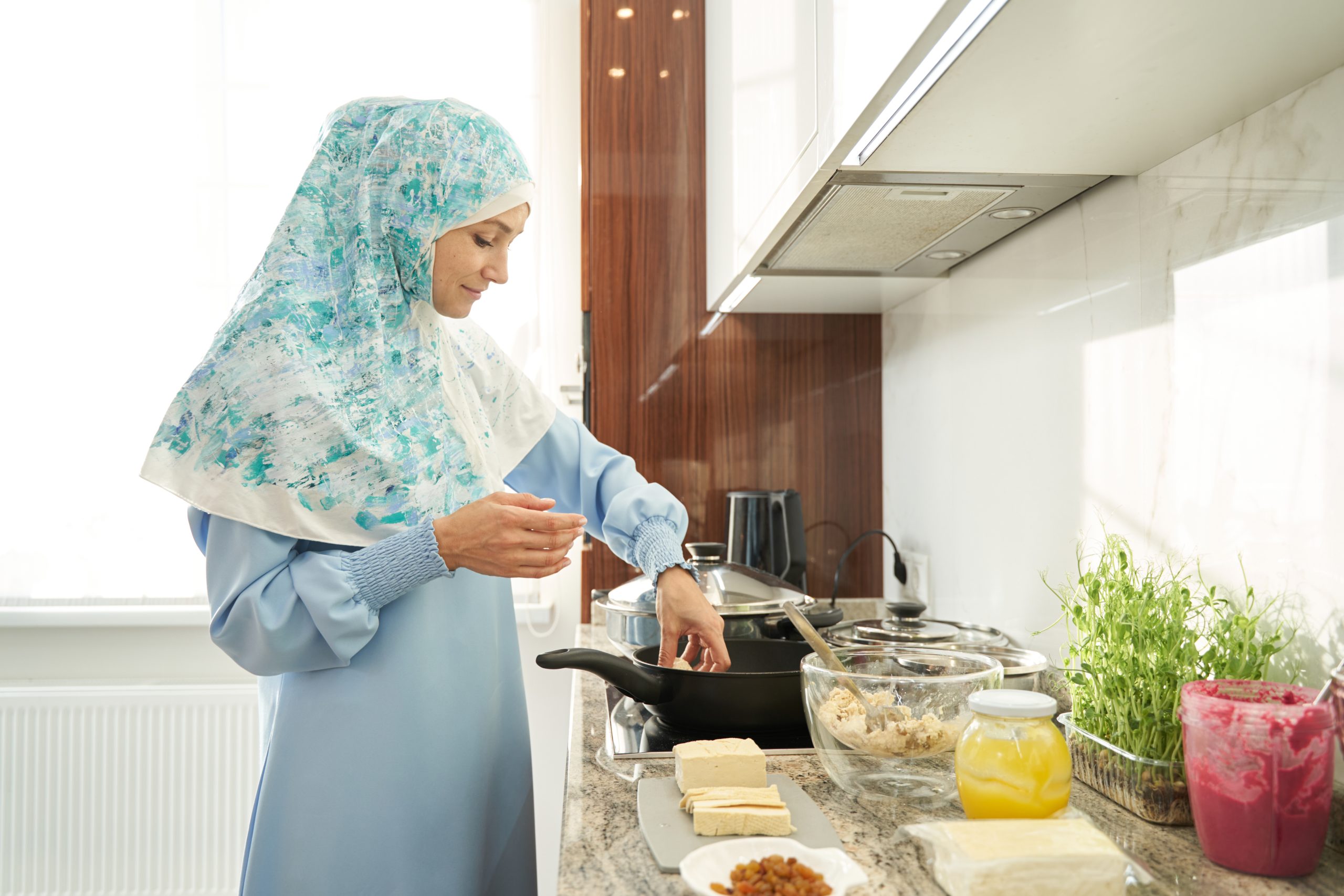





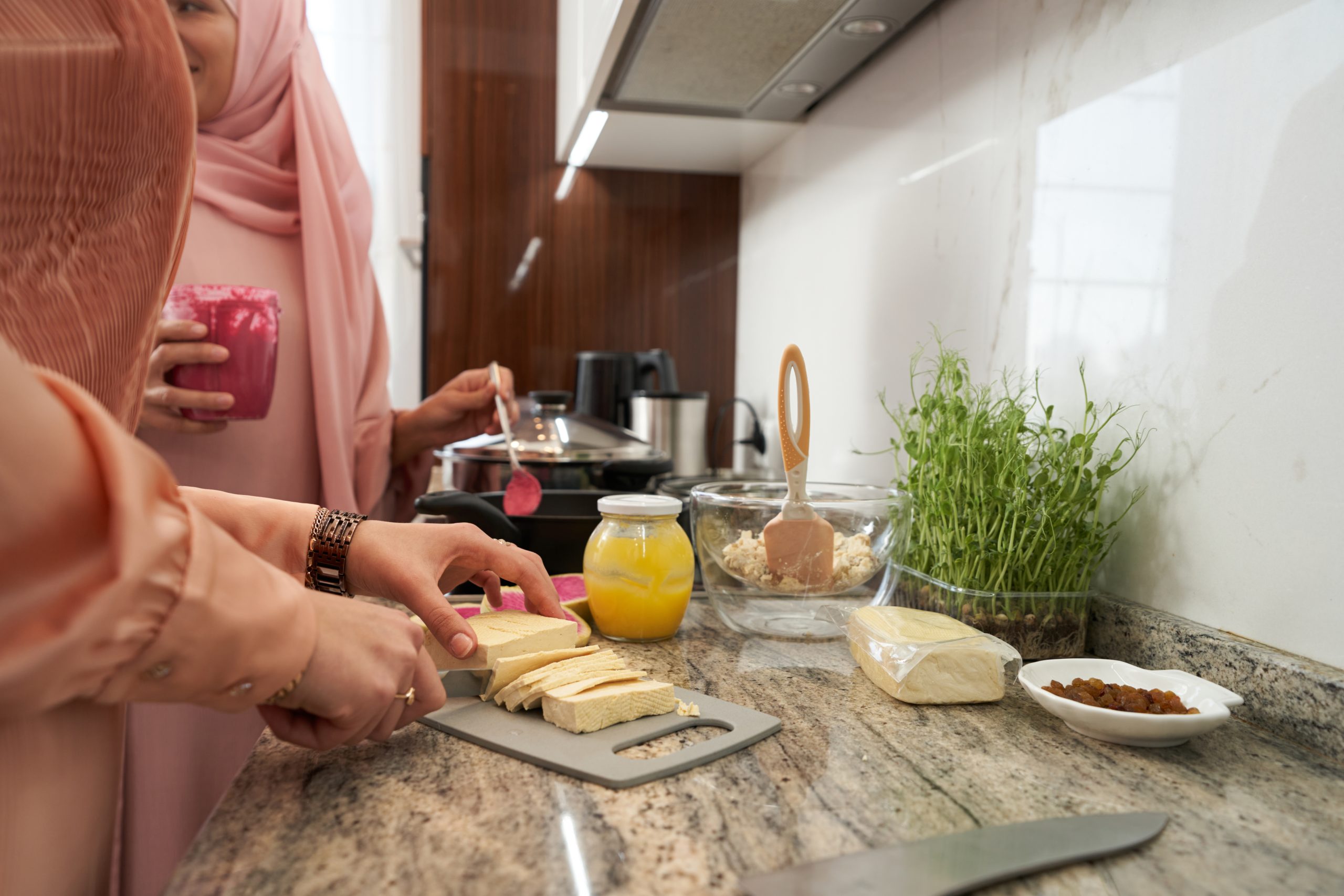



Maintaining halal standards at home is essential for Muslim families who want to follow Islamic dietary guidelines with confidence. While many households make sincere efforts to eat halal, certain common mistakes can unintentionally compromise halal compliance. Understanding these mistakes and learning how to avoid them helps ensure that daily meals remain halal, clean, and aligned with Islamic values.
Zabiha restaurants across the United States have transformed halal dining into a flavorful experience — from juicy kebabs and rice platters to fusion burgers and smoky grilled meats. While eating out is enjoyable, recreating these popular Zabiha dishes at home offers better nutrition, cost savings, and full control over ingredients. For authentic Zabiha meals prepared by experienced Muslim chefs, you can explore Hilal Caters, which makes it easy to enjoy restaurant-quality halal cuisine at home. With the right techniques and seasoning, you can enjoy restaurant-style halal meals right in your own kitchen.
Assuming All Store-Bought Foods Are Halal
One of the most common mistakes is assuming that packaged or store-bought foods are automatically halal. Many products contain hidden non-halal ingredients such as alcohol-based flavorings, gelatin, animal-derived enzymes, or emulsifiers.
Always read ingredient labels carefully and look for halal certification. When in doubt, research the product or choose an alternative that clearly meets halal standards.
Ignoring Cross-Contamination Risks
Cross-contamination is often overlooked in home kitchens. Using the same cutting boards, knives, or cookware for halal and non-halal items can compromise halal integrity.
To avoid this mistake, use dedicated utensils and cookware for halal food, especially for meat. Clean all surfaces thoroughly and store halal ingredients separately from any non-halal items.
Not Verifying Meat Sources
Some families assume that meat labeled as “halal” meets all Islamic requirements without verification. Not all halal labels follow the same standards, and some do not meet zabiha requirements.
Buy meat from trusted halal or zabiha-certified suppliers and confirm their slaughter practices if necessary. Verifying sources helps maintain confidence and consistency.
Overlooking Cooking Oils and Additives
Cooking oils, sauces, and condiments are often ignored when checking halal compliance. Items such as soy sauce, vinegar, marinades, and flavor enhancers may contain alcohol or non-halal ingredients.
Always verify commonly used kitchen items and replace any that do not meet halal standards. This attention to detail is essential for maintaining a fully halal kitchen.
Using Shared Appliances Without Cleaning
Using shared appliances such as ovens, grills, or microwaves without proper cleaning can lead to cross-contamination. This is especially common in shared living spaces or multi-purpose kitchens.
Clean appliances thoroughly before preparing halal food, and use protective coverings or separate cookware whenever possible.
Relying on Verbal Assurances Alone
Relying solely on verbal assurances from sellers, friends, or service providers can lead to mistakes. While trust is important, halal compliance requires verification.
Ask for ingredient lists, certifications, or sourcing details when necessary. This applies to home cooking, catered meals, and food served at gatherings.
Forgetting About Utensil History
Utensils and cookware previously used for non-halal food may still carry residue even after washing. Some households overlook this when transitioning to a halal kitchen.
Consider replacing utensils or performing a thorough cleaning process to ensure halal compliance before use.
Lack of Family Awareness
When family members are not fully aware of halal rules, mistakes can occur unintentionally. Children, guests, or helpers may use the wrong ingredients or utensils.
Educate everyone in the household about halal practices and clearly label halal items to prevent confusion.
Compromising Halal for Convenience
Busy schedules sometimes lead families to compromise halal standards for convenience, such as ordering from non-halal restaurants or accepting uncertain food options.
Planning meals in advance and keeping halal options readily available helps avoid this situation without added stress.
Not Reviewing Kitchen Practices Regularly
Halal compliance is an ongoing process. Some families set up halal practices initially but fail to review them regularly.
Periodically check ingredient labels, storage systems, and cooking routines to ensure continued compliance.
Conclusion
Avoiding common halal mistakes at home requires awareness, attention to detail, and consistent habits. By verifying ingredients, preventing cross-contamination, educating family members, and reviewing kitchen practices regularly, Muslim families can maintain a truly halal home environment. These steps help ensure that daily meals remain halal, trustworthy, and aligned with Islamic values, providing peace of mind for the entire household.