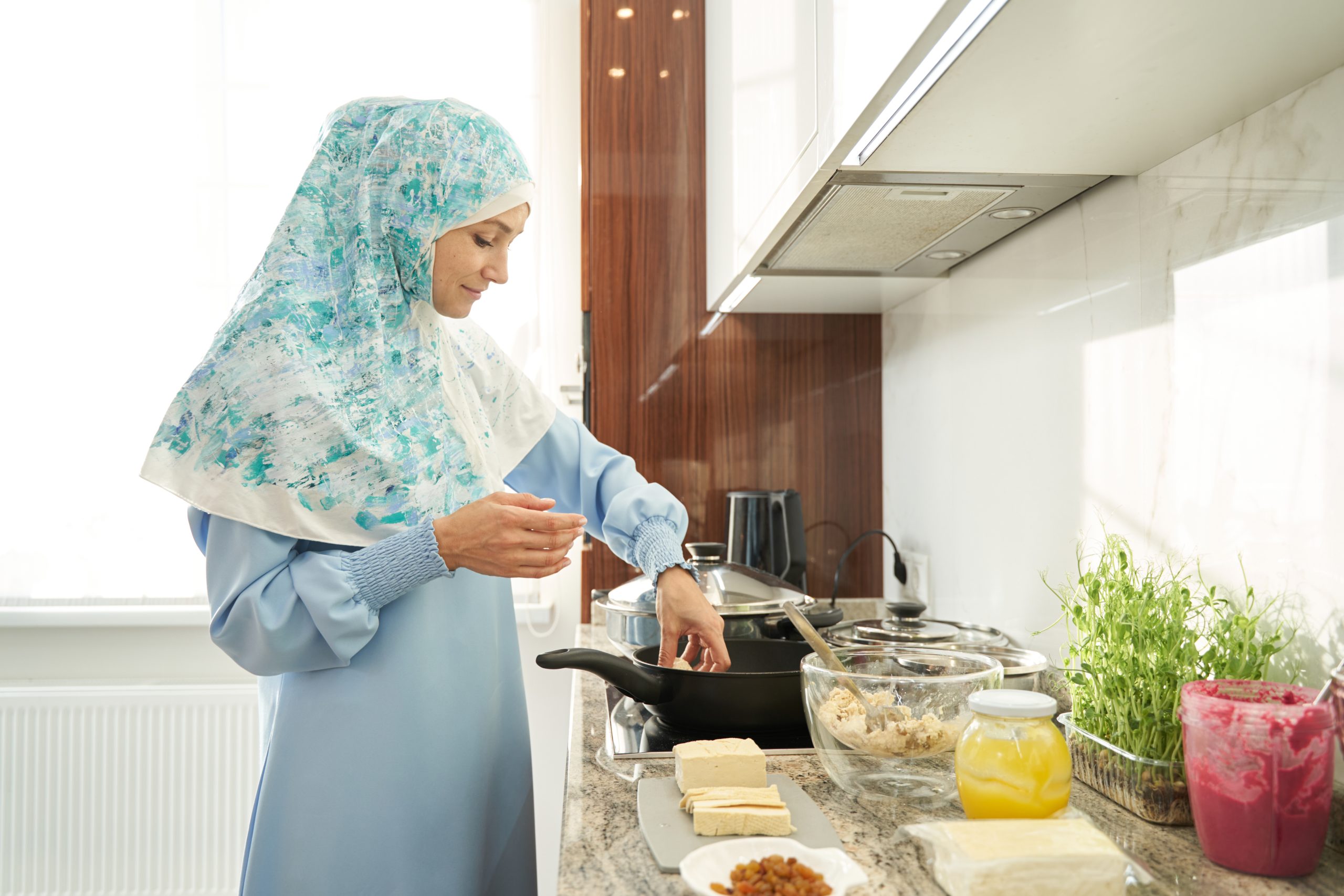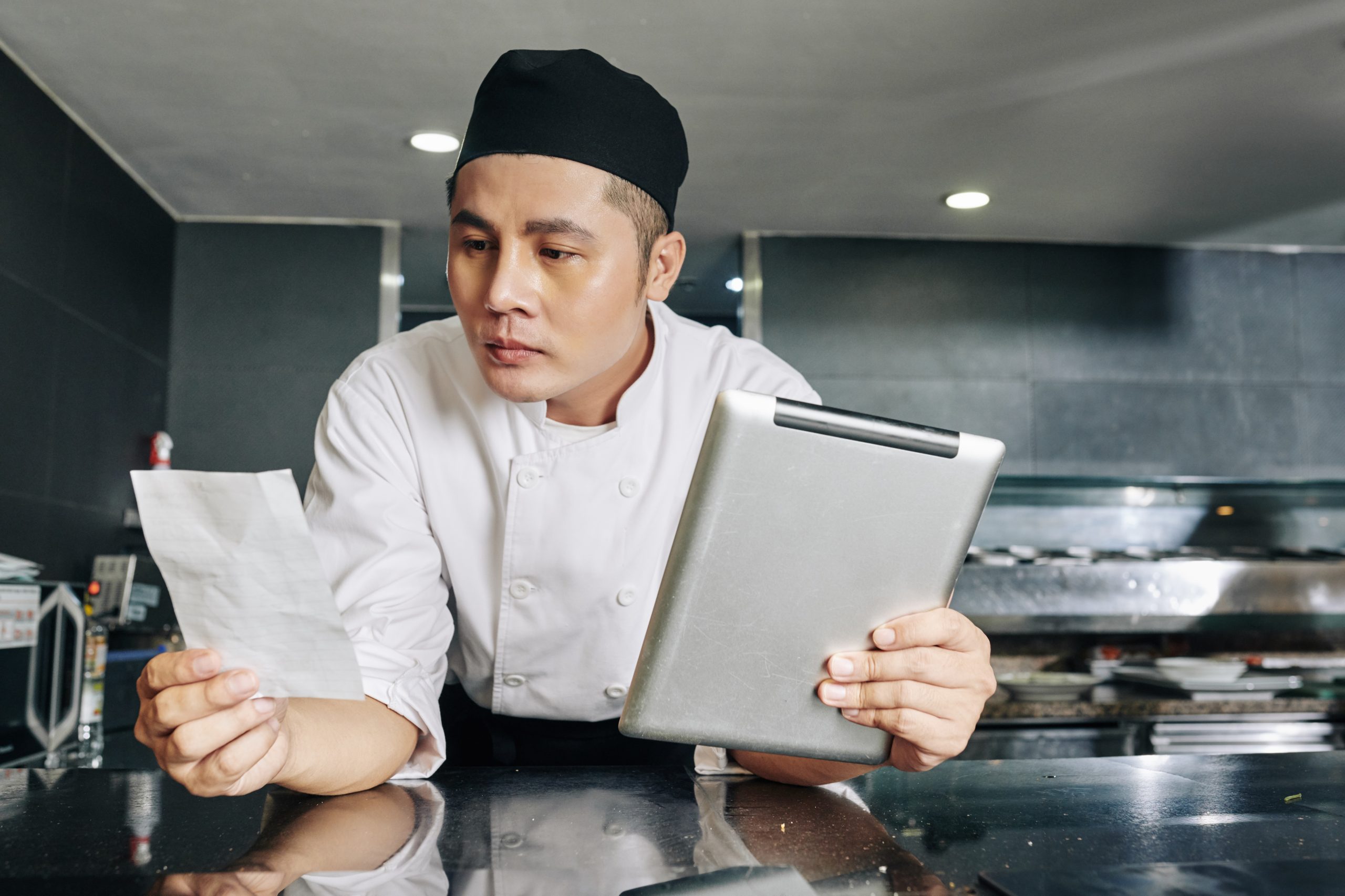



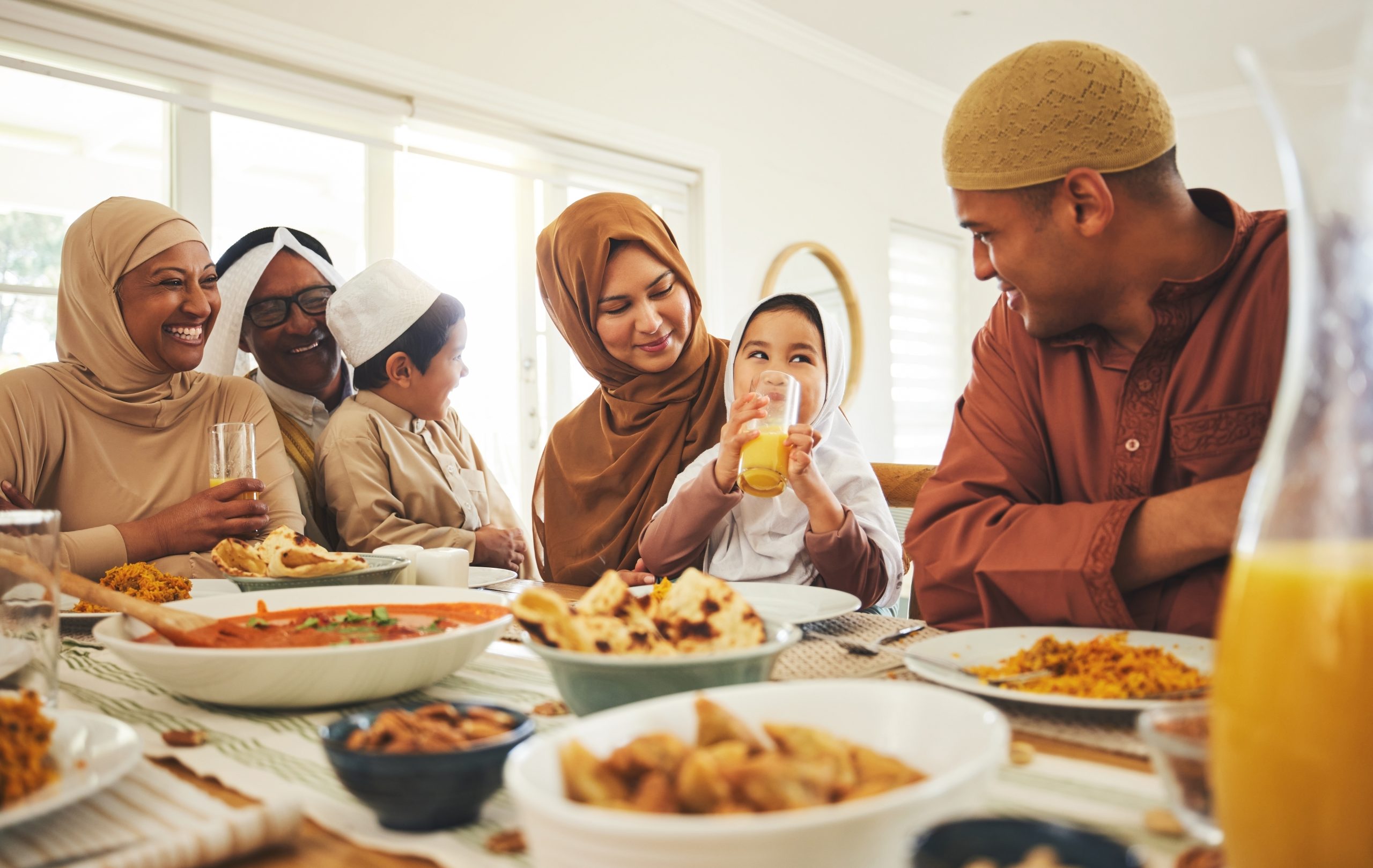
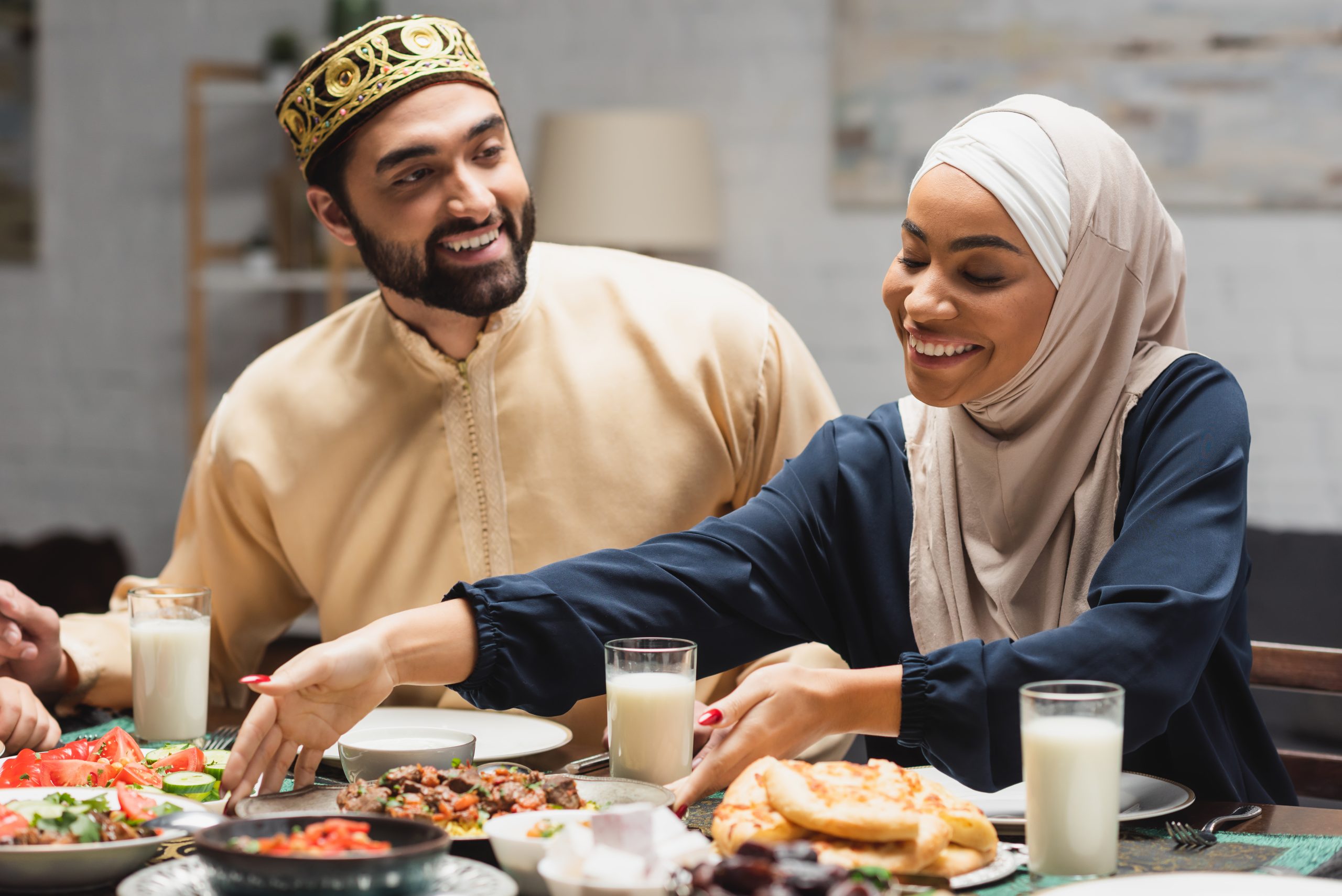
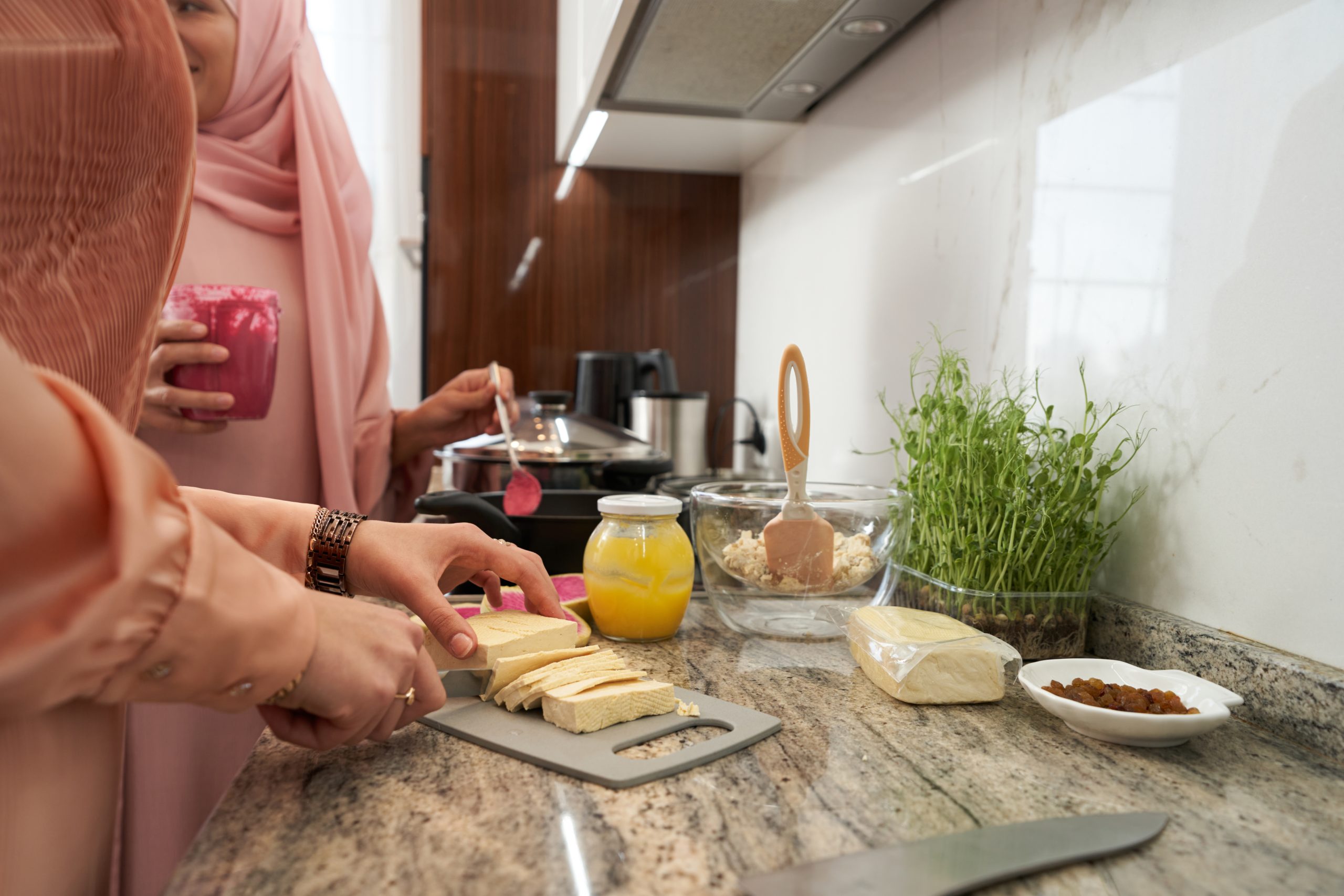

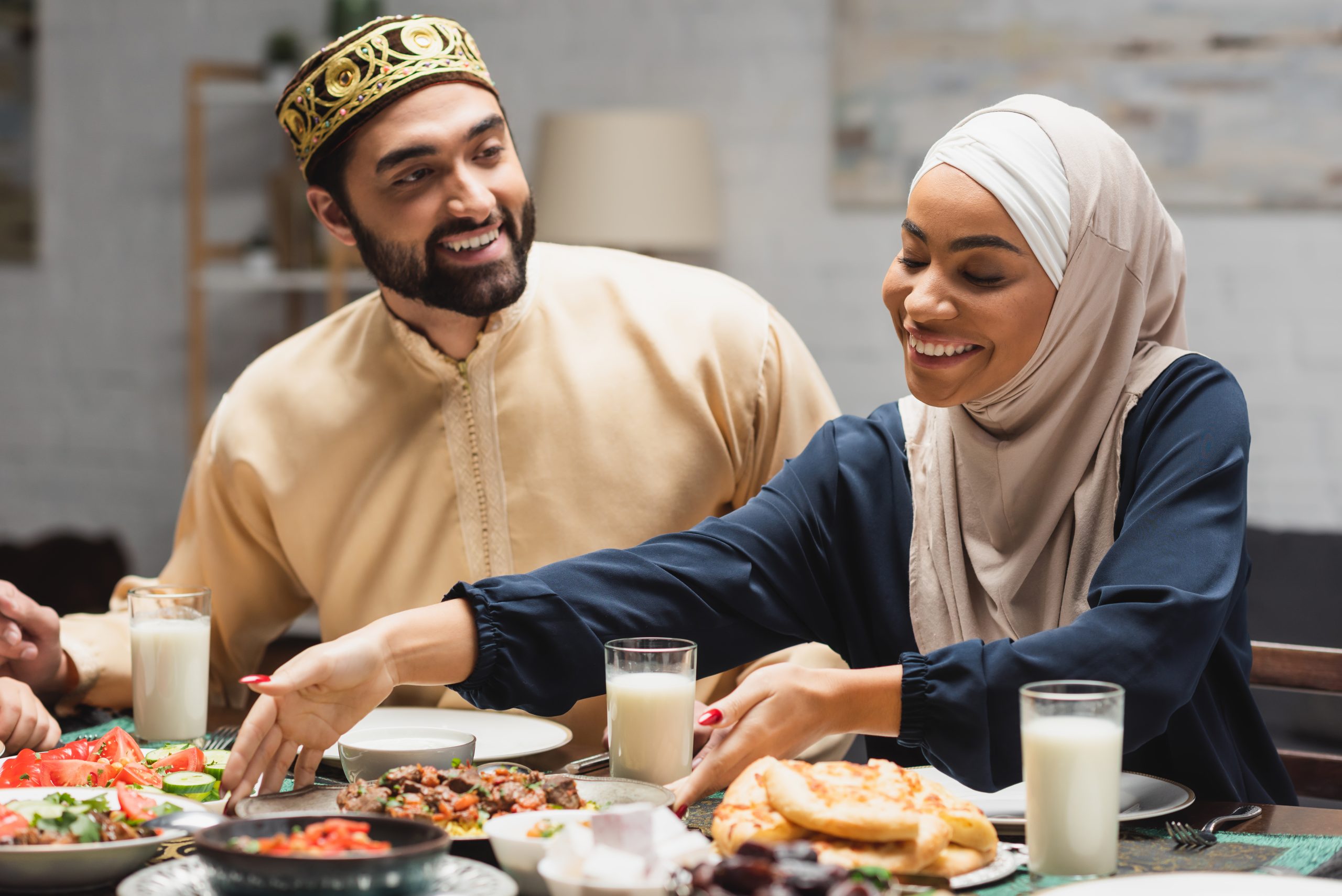
Halal food is not only about ingredients; it is about intention, preparation, and adherence to Islamic principles at every step. For this reason, Muslim chefs are widely trusted when it comes to halal food preparation. Their understanding of Islamic dietary laws, combined with cultural awareness and professional cooking skills, makes them a reliable choice for families, events, and organizations seeking authentic halal meals. Below are the key reasons why Muslim chefs are trusted for halal food.
Zabiha restaurants across the United States have transformed halal dining into a flavorful experience — from juicy kebabs and rice platters to fusion burgers and smoky grilled meats. While eating out is enjoyable, recreating these popular Zabiha dishes at home offers better nutrition, cost savings, and full control over ingredients. For authentic Zabiha meals prepared by experienced Muslim chefs, you can explore Hilal Caters, which makes it easy to enjoy restaurant-quality halal cuisine at home. With the right techniques and seasoning, you can enjoy restaurant-style halal meals right in your own kitchen.
Deep Understanding of Islamic Dietary Laws
Muslim chefs grow up learning the principles of halal and haram, which gives them a strong foundation in Islamic dietary guidelines. They understand which ingredients are permissible, how meat must be sourced, and which food additives or processing methods should be avoided. This knowledge is not superficial; it is rooted in religious education and daily practice.
Unlike general chefs who may rely on labels alone, Muslim chefs carefully examine ingredient sources, seasonings, sauces, and cooking oils to ensure complete halal compliance.
Commitment to Zabiha Halal Standards
One of the most important aspects of halal food is zabiha meat. Muslim chefs understand the religious significance of proper slaughter and ensure that meat is sourced from trusted halal or zabiha-certified suppliers. They recognize the difference between halal-certified and zabiha halal meat and respect client preferences regarding both.
This commitment ensures that the food served meets the expectations of individuals and families who strictly follow Islamic dietary requirements.
Prevention of Cross-Contamination
Halal food preparation requires strict separation from non-halal items. Muslim chefs are trained to prevent cross-contamination by:
-
Using dedicated utensils and cookware
-
Separating storage areas for halal ingredients
-
Maintaining clean preparation surfaces
-
Following hygienic cooking practices
This level of care is essential, especially in shared kitchens or event venues, and builds trust with clients who take halal compliance seriously.
Ethical and Conscious Cooking Practices
Halal is not only about what is eaten, but also how it is prepared. Muslim chefs follow ethical cooking practices that align with Islamic values, including cleanliness, honesty, and responsibility. Many chefs emphasize transparency in sourcing, respectful treatment of food, and mindful preparation.
These values contribute to a higher level of trust and confidence in the meals they prepare.
Cultural and Religious Sensitivity
Muslim chefs bring cultural awareness that goes beyond recipes. They understand food traditions, spice preferences, and serving styles common in Muslim households and communities. This sensitivity is especially important during:
-
Ramadan and iftar meals
-
Eid gatherings
-
Family dawats and religious events
Their familiarity with these occasions ensures that food is prepared and served in a way that respects both religious practices and cultural expectations.
Consistency and Reliability
Trust is built through consistency. Muslim chefs consistently deliver halal-compliant meals without the need for repeated verification or supervision. Families and organizations rely on them because they know standards will not change over time.
This reliability is especially valuable for long-term services such as weekly meal preparation, daily home cooking, or ongoing event catering.
Transparency in Ingredients and Processes
Muslim chefs are generally open about their cooking process, ingredient choices, and sourcing. This transparency reassures clients and allows them to make informed decisions. Whether it is explaining where the meat comes from or how a dish is prepared, openness strengthens trust and confidence.
Professional Training with Religious Responsibility
Many Muslim chefs combine professional culinary training with religious responsibility. This means clients receive restaurant-quality meals without compromising halal standards. The balance between skill and faith-based commitment sets Muslim chefs apart from general catering options.
Peace of Mind for Families and Hosts
Ultimately, Muslim chefs are trusted for halal food because they offer peace of mind. Families can serve meals without doubt, hosts can entertain guests confidently, and organizations can cater halal events without concern.
This peace of mind is invaluable and often the primary reason people choose Muslim chefs over other alternatives.
Conclusion
Muslim chefs are trusted for halal food because of their deep understanding of Islamic dietary laws, commitment to zabiha standards, ethical cooking practices, and cultural sensitivity. Their consistency, transparency, and professionalism make them a dependable choice for anyone seeking authentic halal meals. When halal integrity matters, Muslim chefs provide the trust and confidence that families and communities rely on.