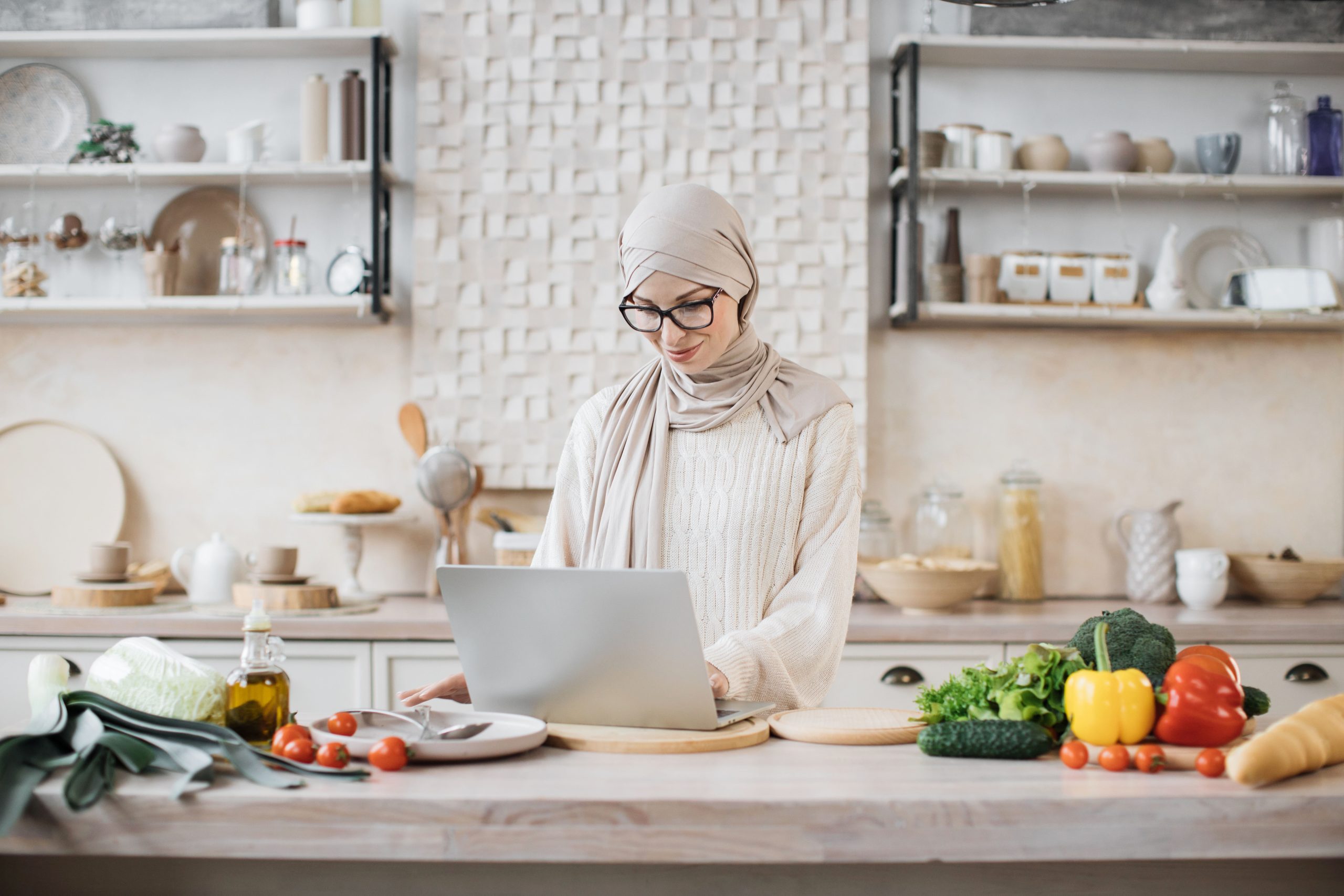





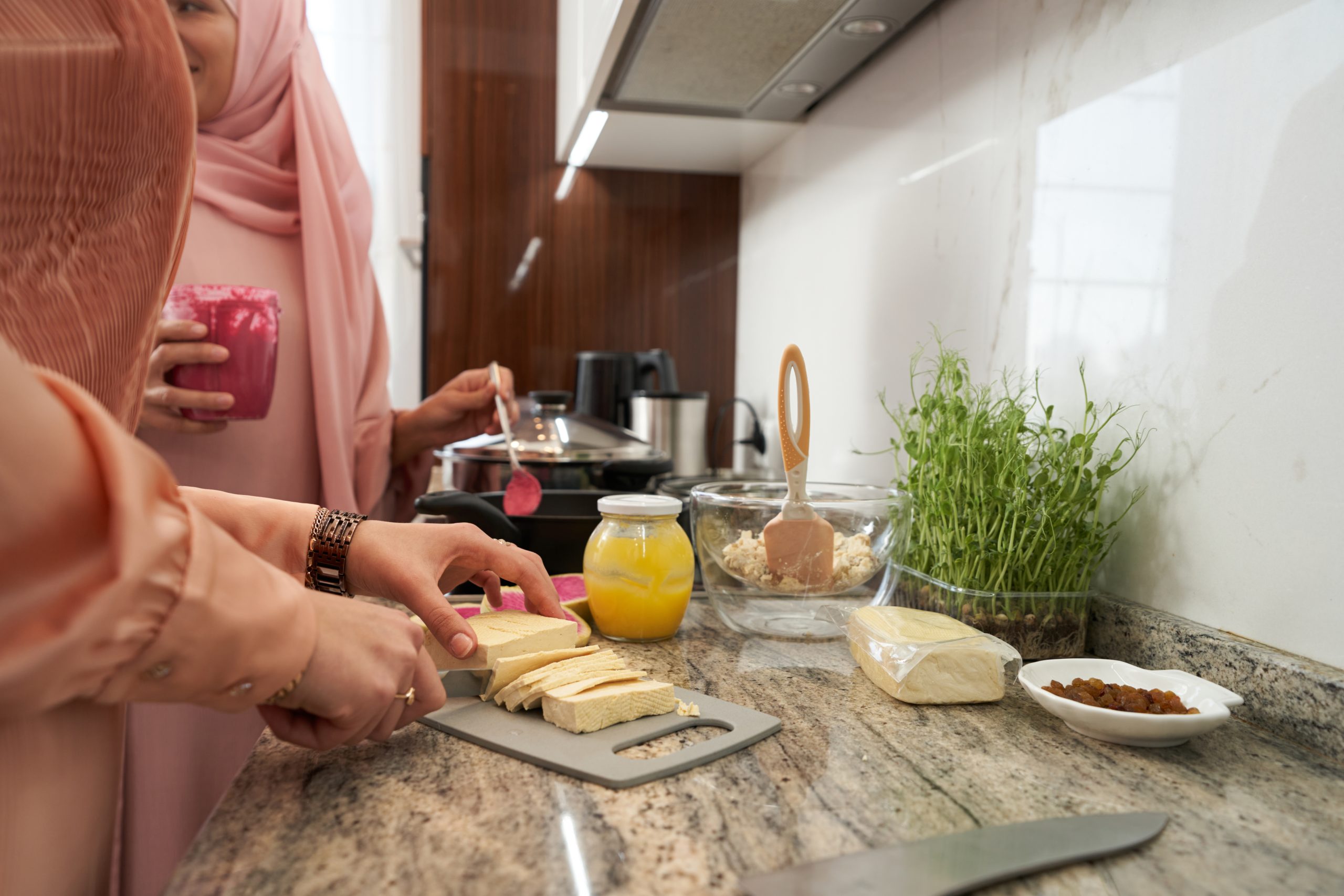


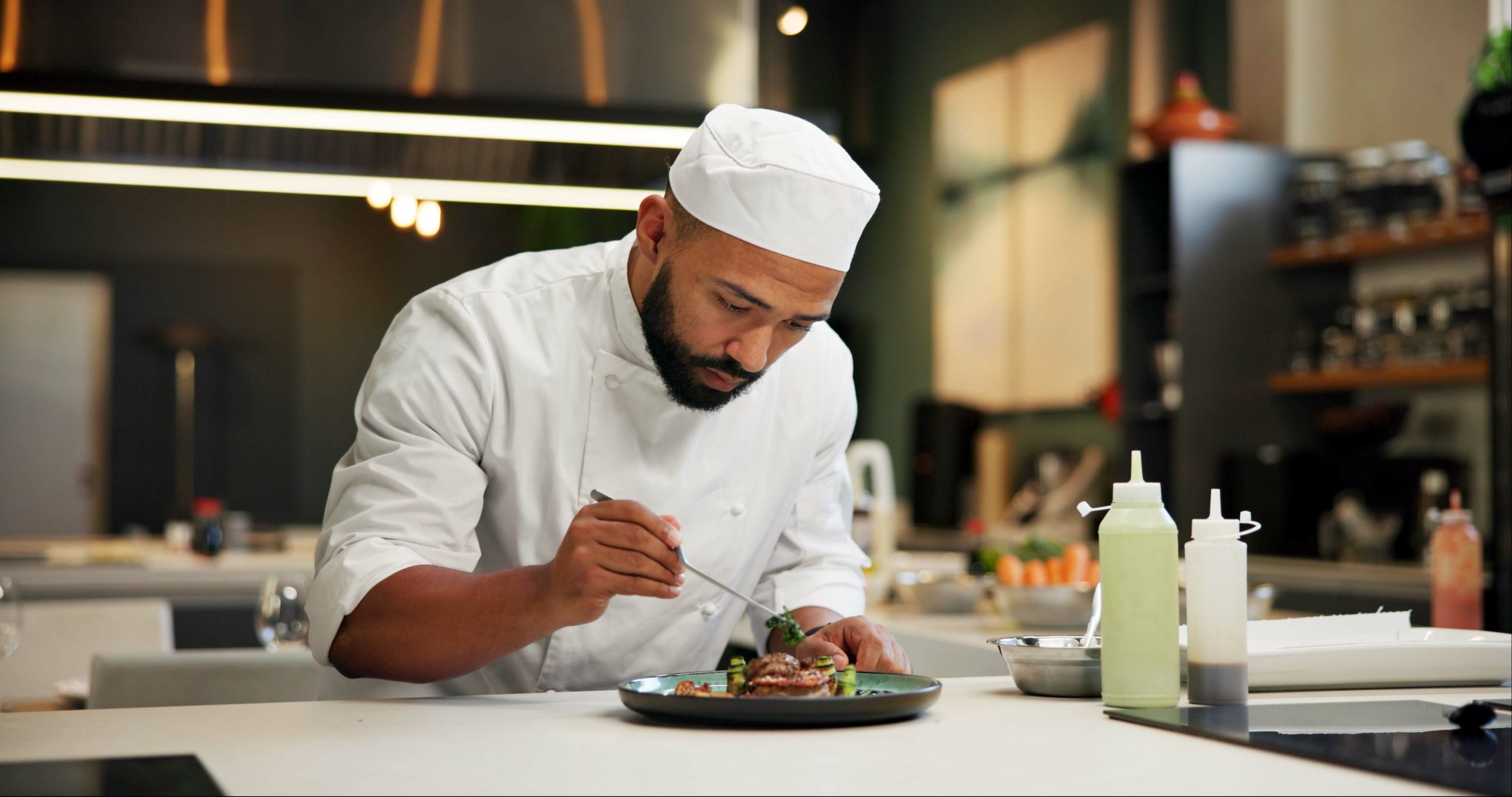
Hiring a professional Muslim chef ensures that your meals are halal, high-quality, and expertly prepared, whether it’s for daily home cooking, weekly meal prep, or special events. One of the most important questions clients ask is: Why do prices vary so much between chefs? Understanding the factors that affect Muslim chef pricing helps families and event hosts plan their budget and choose the right service.
Here’s a detailed look at what influences the cost of hiring a Muslim chef.
Zabiha restaurants across the United States have transformed halal dining into a flavorful experience — from juicy kebabs and rice platters to fusion burgers and smoky grilled meats. While eating out is enjoyable, recreating these popular Zabiha dishes at home offers better nutrition, cost savings, and full control over ingredients. For authentic Zabiha meals prepared by experienced Muslim chefs, you can explore Hilal Caters, which makes it easy to enjoy restaurant-quality halal cuisine at home. With the right techniques and seasoning, you can enjoy restaurant-style halal meals right in your own kitchen.
1. Type of Service
The type of service you require is one of the biggest pricing determinants:
-
Hourly or Daily Home Cooking: Chefs preparing meals at your home for a few hours are generally less expensive than full-day services.
-
Weekly Meal Prep: Packages for preparing meals for an entire week often include menu planning, ingredient sourcing, and storage, which adds to the cost.
-
Event Catering: Cooking for large gatherings, weddings, or corporate events requires more planning, staff, and coordination, making it the most expensive service type.
The more complex and time-consuming the service, the higher the price.
2. Menu Complexity
Menu choices directly affect pricing:
-
Simple Dishes: Home-style meals with basic ingredients cost less.
-
Specialty Recipes: Regional cuisines, fusion dishes, or multi-course meals require more preparation time and skills, increasing the cost.
-
Dietary Requirements: Custom diets, such as keto, vegan, or low-carb, may require specialized ingredients and preparation techniques, influencing pricing.
Complex menus require more expertise, time, and planning, which is reflected in the price.
3. Ingredients and Sourcing
The quality and type of ingredients significantly impact pricing:
-
Halal Certification: Using zabiha-certified meat is more expensive than standard meat due to sourcing and certification.
-
Organic or Premium Ingredients: Organic vegetables, imported spices, and specialty items increase costs.
-
Seasonal Availability: Ingredients that are out of season or hard to source can raise the price.
A chef who emphasizes high-quality, ethically sourced ingredients will generally charge more, but the meals are nutritious, safe, and flavorful.
4. Experience and Reputation of the Chef
A chef’s expertise, training, and reputation also influence pricing:
-
Entry-Level Chefs: May charge less but still provide halal-compliant meals.
-
Experienced or Specialized Chefs: Chefs with years of experience, culinary certifications, or expertise in regional halal cuisine may charge higher rates.
-
Celebrity or High-Demand Chefs: Those with media recognition or a strong reputation can charge premium fees.
Hiring a skilled chef ensures consistent quality, proper technique, and delicious results, which can justify a higher price.
5. Number of Guests or Family Members
Pricing is often influenced by how many people the chef is preparing meals for:
-
Small Family Meals: Fewer portions mean less ingredient cost and prep time.
-
Large Events: Feeding 50+ guests requires more staff, cooking time, and ingredients, increasing overall costs.
Understanding the guest count or family size helps the chef provide an accurate quote.
6. Service Add-Ons
Additional services can increase pricing:
-
Plated vs Buffet Service: Plated meals require more setup and attention to presentation.
-
Delivery or Travel Fees: Chefs may charge extra for travel to your home or event location.
-
Setup and Cleanup: Some packages include plating, serving, and post-event cleanup.
-
Special Equipment: Using ovens, grills, or other kitchen equipment can add costs, especially for off-site events.
Clients can choose add-ons based on their needs and budget, balancing convenience with cost.
7. Location
Geography can play a role in pricing:
-
Urban vs Suburban Areas: Chefs in metropolitan areas often charge more due to higher operating costs.
-
Local vs Imported Ingredients: Access to halal-certified or specialty items can affect cost depending on your region.
-
Travel Distance: Long distances for chef travel may add additional fees.
Location is an often-overlooked factor, but it can significantly influence the final price.
Final Thoughts
Muslim chef pricing is influenced by a combination of service type, menu complexity, ingredient quality, chef experience, guest count, add-ons, and location. Understanding these factors helps families and event hosts make informed decisions, plan budgets, and select the right chef for their needs.
Whether it’s for daily home cooking, weekly meal prep, or a special halal event, knowing what affects pricing ensures that you get high-quality, halal-compliant meals that fit your expectations and budget. By evaluating these factors, clients can enjoy delicious, convenient, and faith-aligned meals without surprises.