


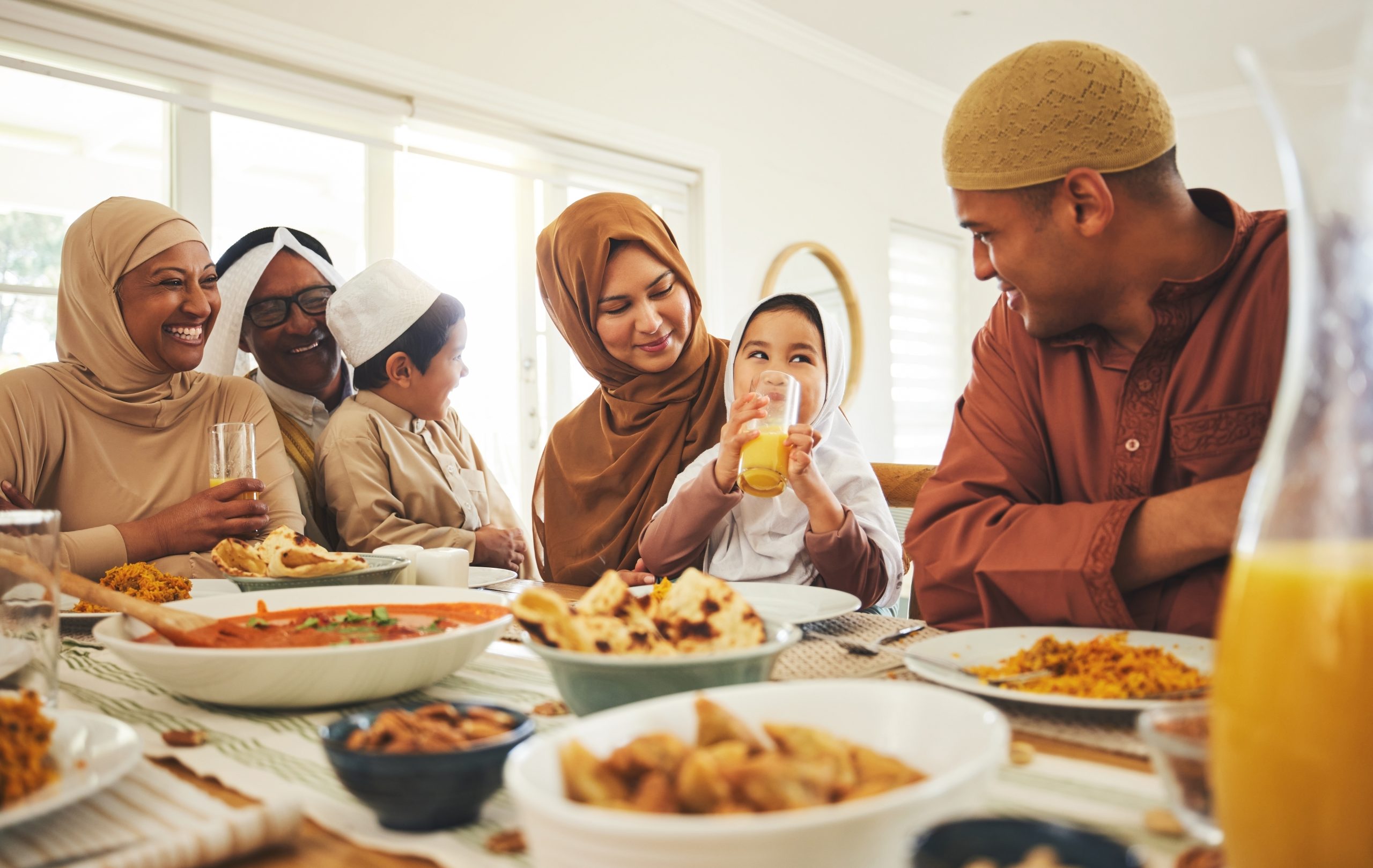
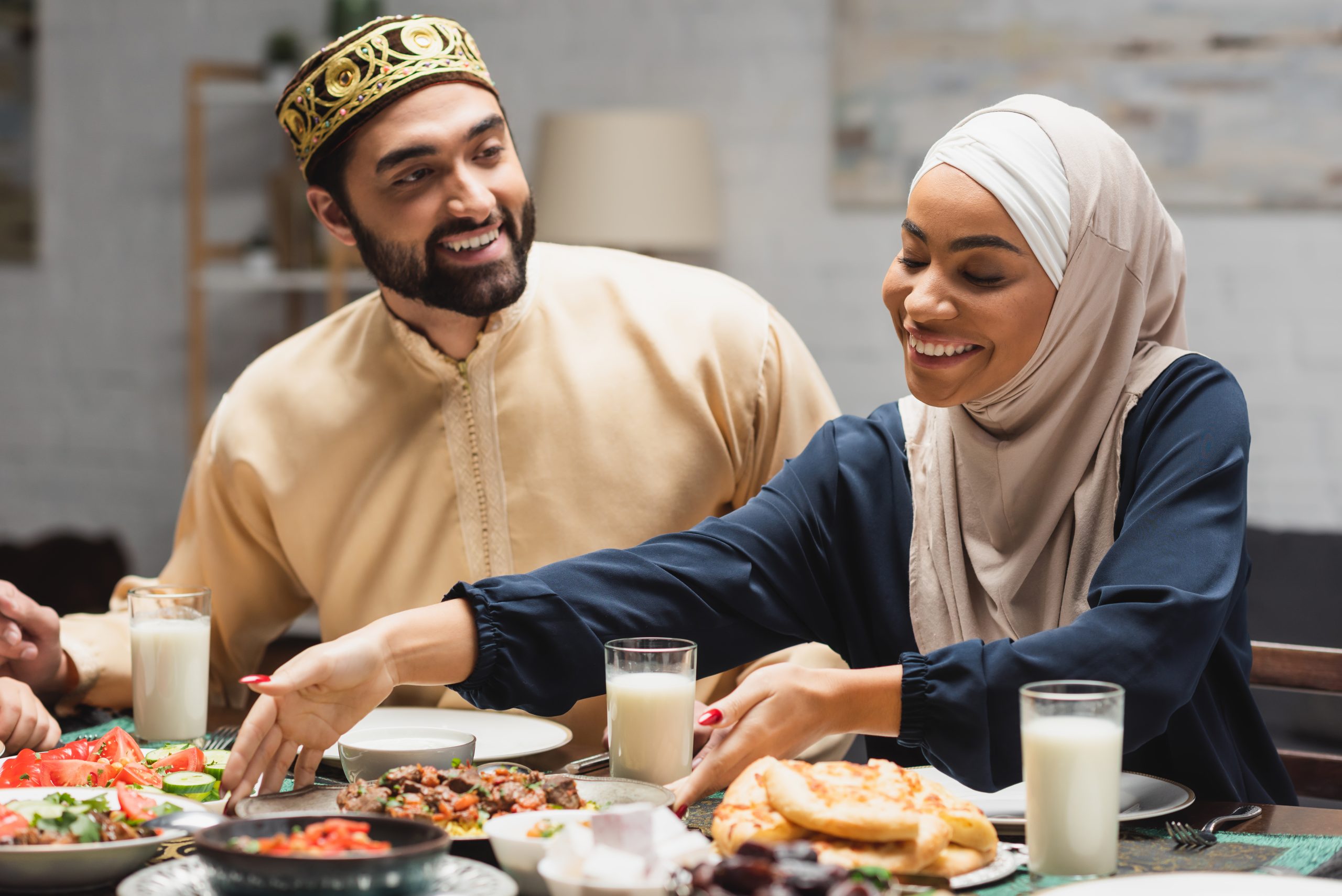
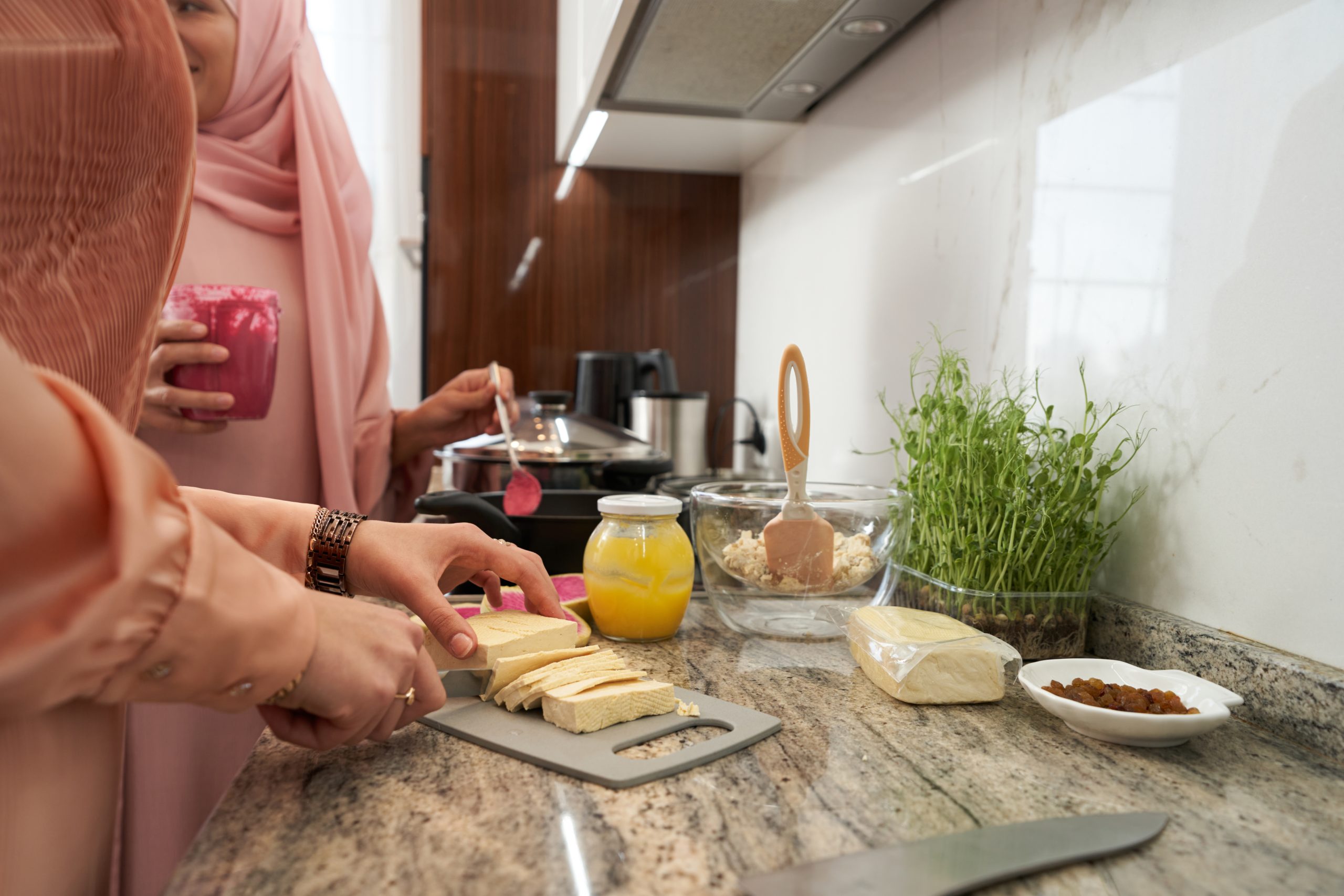


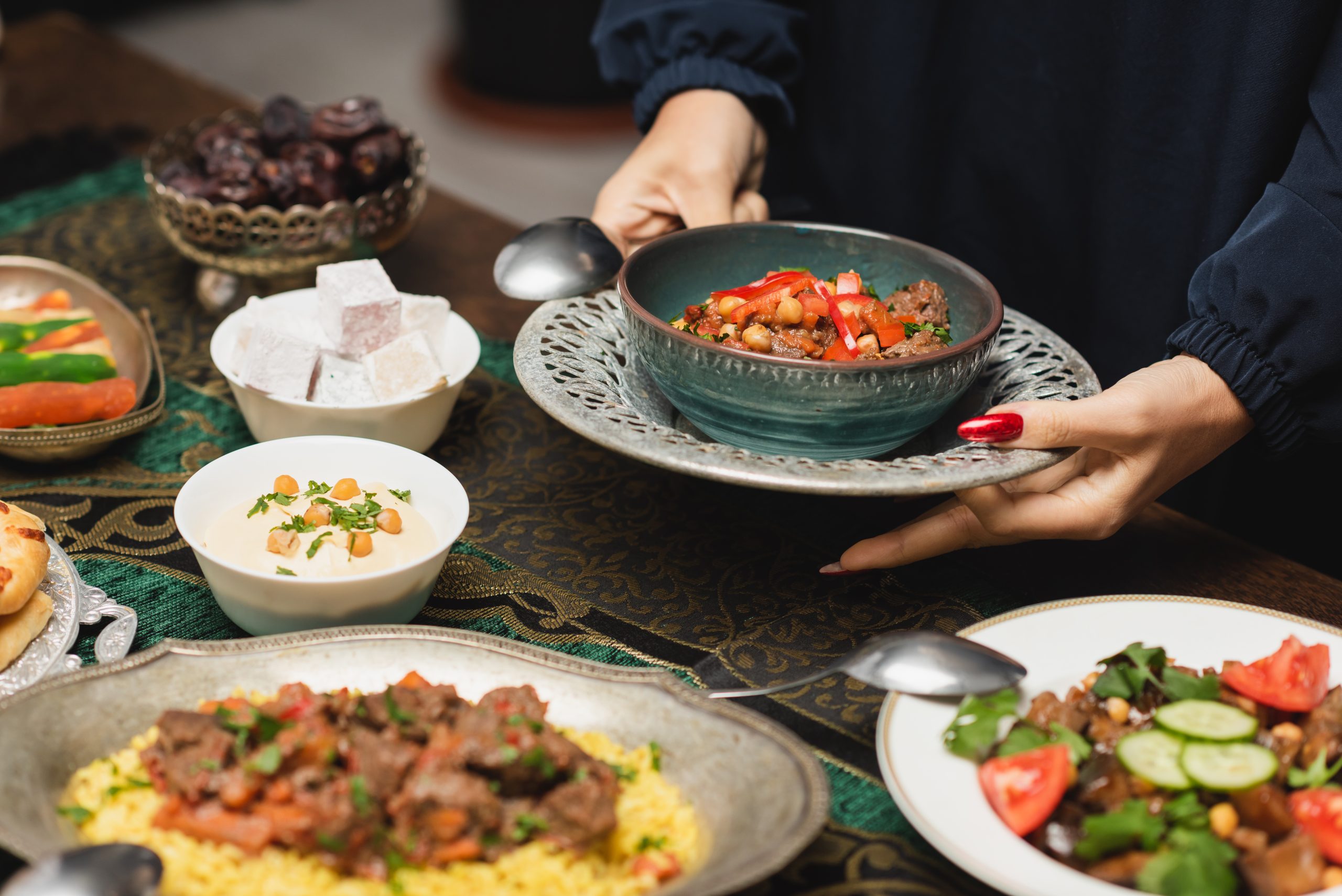
Middle Eastern cuisine is renowned for its rich flavors, aromatic spices, and cultural heritage, making it a perfect choice for gatherings, private events, or family meals. For Muslim households and events, it is important that the food is halal, ethically prepared, and authentically cooked. Hiring a professional Muslim chef ensures that every dish reflects tradition while meeting faith-compliant standards.
Here’s how Muslim chefs bring authentic Middle Eastern food to your table.
Zabiha restaurants across the United States have transformed halal dining into a flavorful experience — from juicy kebabs and rice platters to fusion burgers and smoky grilled meats. While eating out is enjoyable, recreating these popular Zabiha dishes at home offers better nutrition, cost savings, and full control over ingredients. For authentic Zabiha meals prepared by experienced Muslim chefs, you can explore Hilal Caters, which makes it easy to enjoy restaurant-quality halal cuisine at home. With the right techniques and seasoning, you can enjoy restaurant-style halal meals right in your own kitchen.
Why Hire a Muslim Chef for Middle Eastern Cuisine?
A professional Muslim chef brings expertise in:
-
Halal and Zabiha meat compliance: Ensuring all meat is ethically sourced and prepared according to Islamic law
-
Authentic flavors: Using traditional spices, herbs, and regional recipes
-
Customized menus: Tailoring dishes to family preferences, dietary requirements, and event types
-
Professional preparation and presentation: Delivering meals that are visually appealing and delicious
By hiring a Muslim chef, hosts can focus on hospitality while enjoying authentic Middle Eastern flavors.
Starter and Appetizer Ideas
Middle Eastern meals often begin with starters that highlight fresh, bold flavors. Muslim chefs commonly prepare:
-
Hummus: Creamy chickpea dip with olive oil and tahini
-
Falafel: Deep-fried chickpea patties, crunchy outside and soft inside
-
Stuffed Grape Leaves (Dolma): Rice and herb-stuffed vine leaves
-
Kebabs and Koftas: Grilled spiced meat or vegetable skewers
-
Tabbouleh and Fattoush: Fresh herb and vegetable salads for a refreshing start
These appetizers are halal, flavorful, and perfect for welcoming guests.
Main Course Ideas
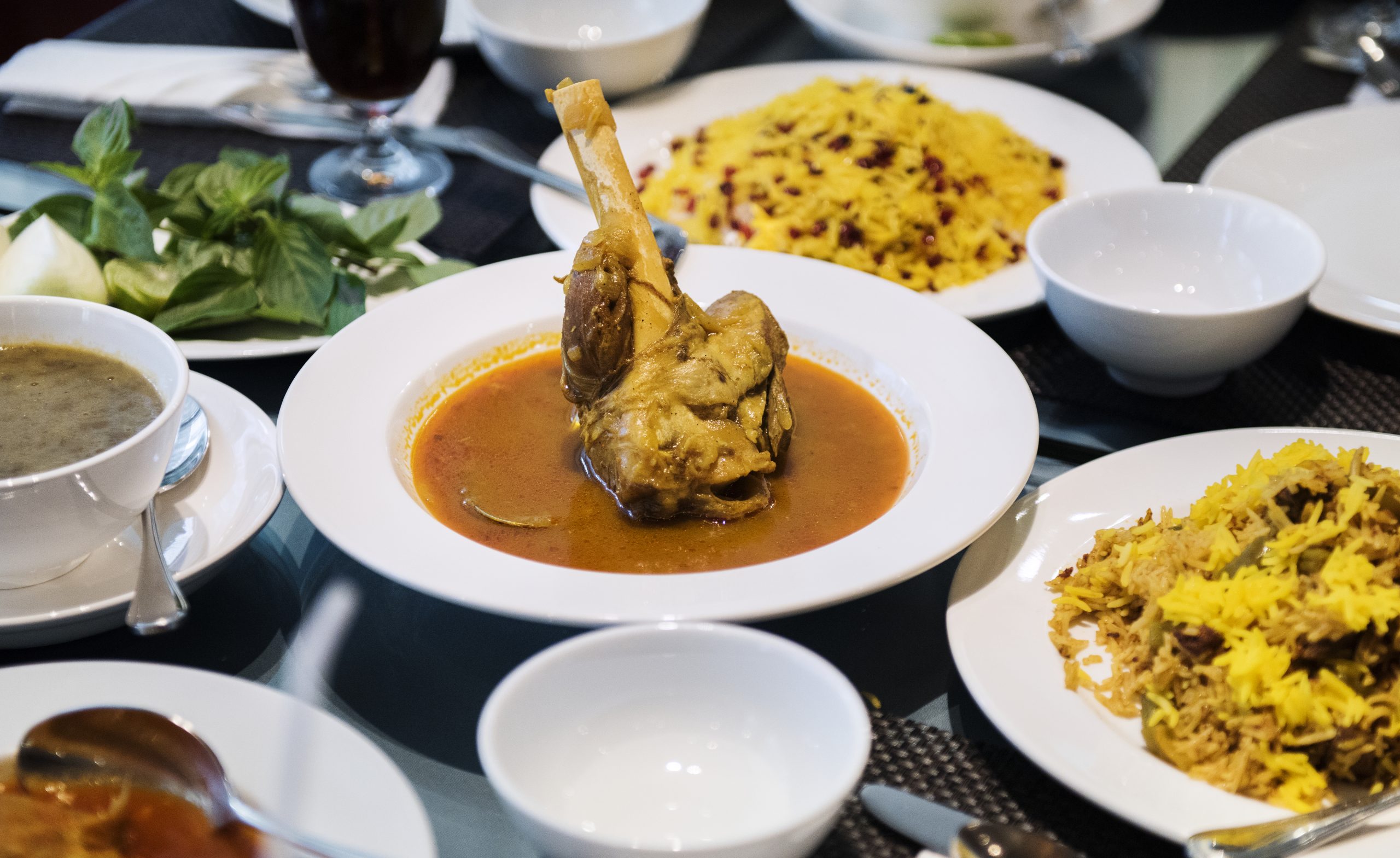
The main course is the centerpiece of Middle Eastern cuisine. Muslim chefs excel in preparing dishes such as:
-
Kabsa or Machboos: Aromatic rice dishes with chicken, lamb, or beef
-
Shawarma: Marinated meats roasted and sliced, perfect for casual or formal events
-
Mansaf: Traditional lamb with yogurt sauce, served with rice
-
Tagines and Stews: Slow-cooked meats with vegetables and rich spices
-
Vegetarian Options: Lentil stews, roasted vegetables, and grain-based dishes for inclusivity
Chefs ensure that seasoning, cooking methods, and presentation are authentic, giving guests a true taste of the region.
Side Dishes and Accompaniments
Side dishes complete the meal and enhance flavors:
-
Rice Pilafs: Mildly spiced rice with nuts and dried fruits
-
Bread Varieties: Pita, flatbreads, or lavash to accompany mains
-
Yogurt Sauces: Tzatziki or garlic-yogurt dips to complement rich dishes
-
Pickles and Preserves: Tangy sides that balance the main course
These sides provide variety, balance, and authenticity to Middle Eastern meals.
Desserts and Sweet Treats
No Middle Eastern meal is complete without halal desserts. Muslim chefs often prepare:
-
Baklava: Sweet pastry layers with nuts and syrup
-
Basbousa: Semolina cake soaked in rose-flavored syrup
-
Knafeh: Cheese pastry with orange blossom syrup, a regional favorite
-
Fresh Fruits and Dates: Simple, wholesome options to finish the meal
These desserts are halal, culturally authentic, and a perfect ending to the meal.
Beverages
Beverages complement Middle Eastern meals and enhance the dining experience:
-
Mint Lemonade: Refreshing and tangy, perfect for warm climates
-
Arabic Coffee (Qahwa): Lightly spiced, traditional coffee for post-meal enjoyment
-
Fruit Juices and Herbal Teas: Naturally sweet and soothing drinks
Muslim chefs carefully select beverages that harmonize with the menu and elevate the meal.
Benefits Beyond Taste
Hiring a Muslim chef for Middle Eastern cuisine offers:
-
Stress-free hosting: Chefs handle preparation, cooking, and serving
-
Faith-aligned meals: Halal, zabiha-compliant, and ethically prepared
-
Authenticity: Traditional flavors and techniques respected
-
Custom menus: Flexibility to cater to dietary needs, event size, and preferences
This ensures that events, gatherings, or family meals are delicious, inclusive, and worry-free.
Final Thoughts
Authentic Middle Eastern cuisine is rich in flavor, culture, and tradition, and serving it properly requires skill and expertise. Professional Muslim chefs provide halal, ethically prepared, and expertly cooked meals, making any gathering memorable, stress-free, and culturally authentic.
From starters and main courses to desserts and beverages, Muslim chefs deliver balanced, flavorful, and visually appealing menus, allowing hosts to enjoy the event, entertain guests, and share the joy of halal cuisine. With a Muslim chef, Middle Eastern food becomes not only a meal but a memorable experience that celebrates culture, faith, and hospitality.