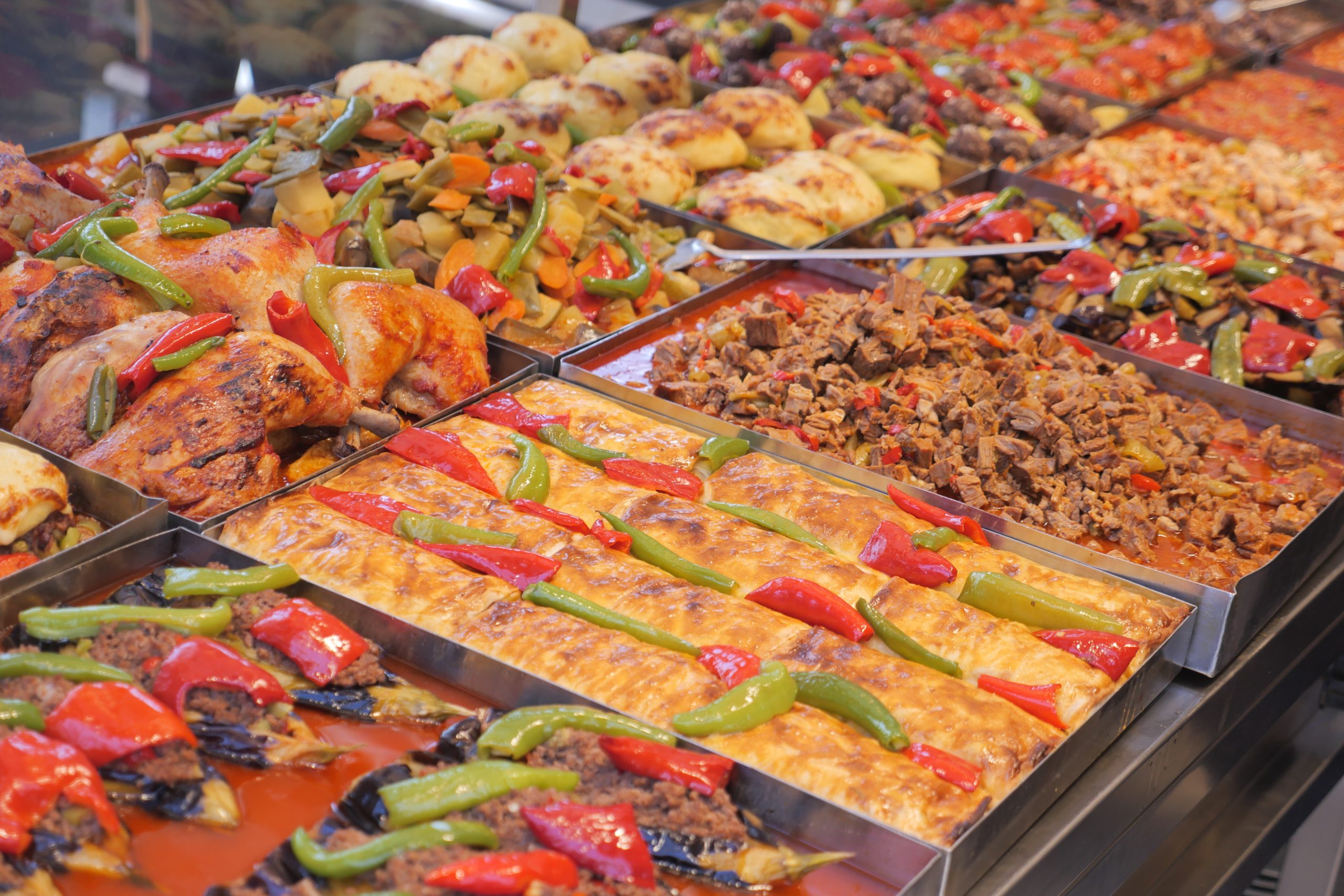





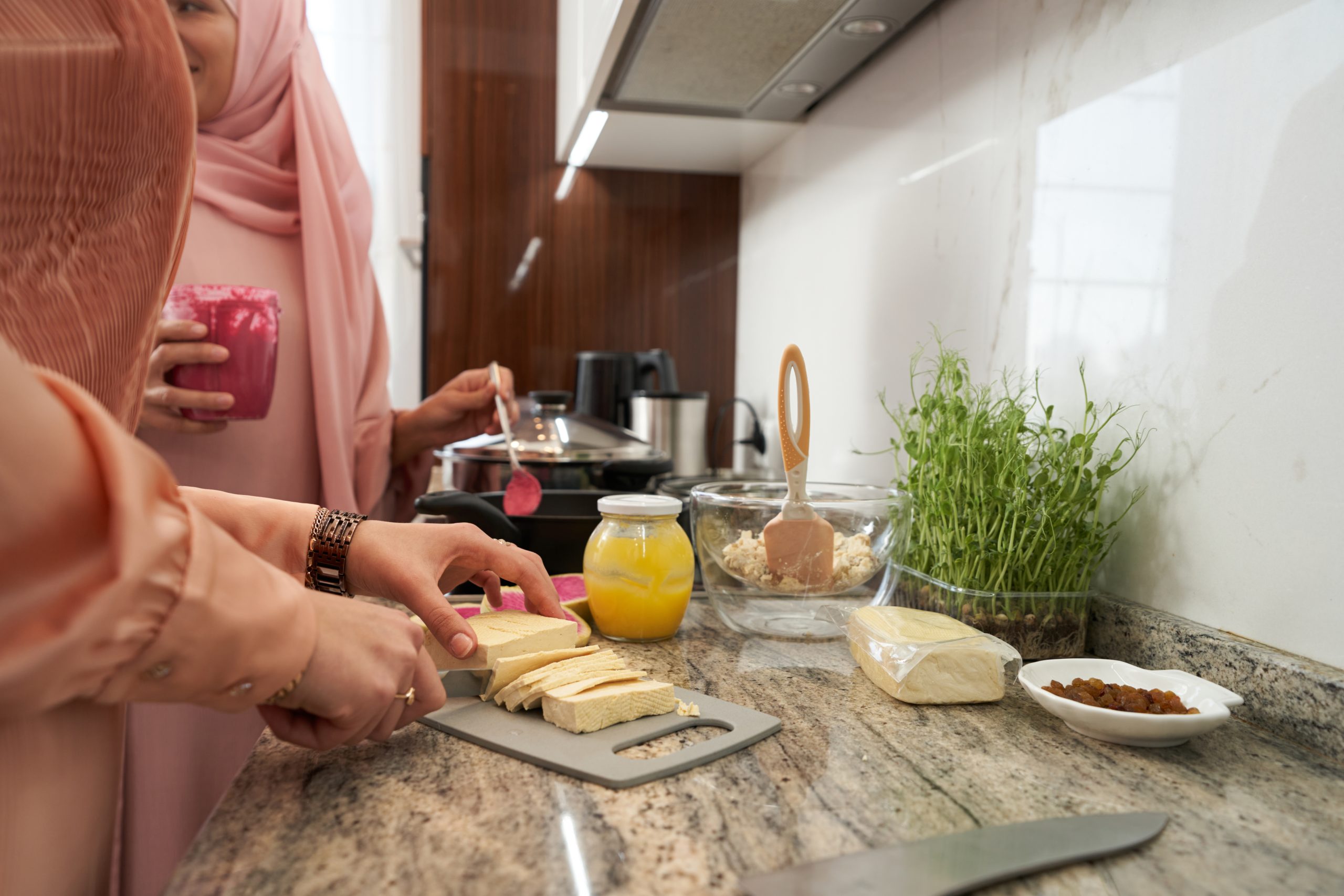


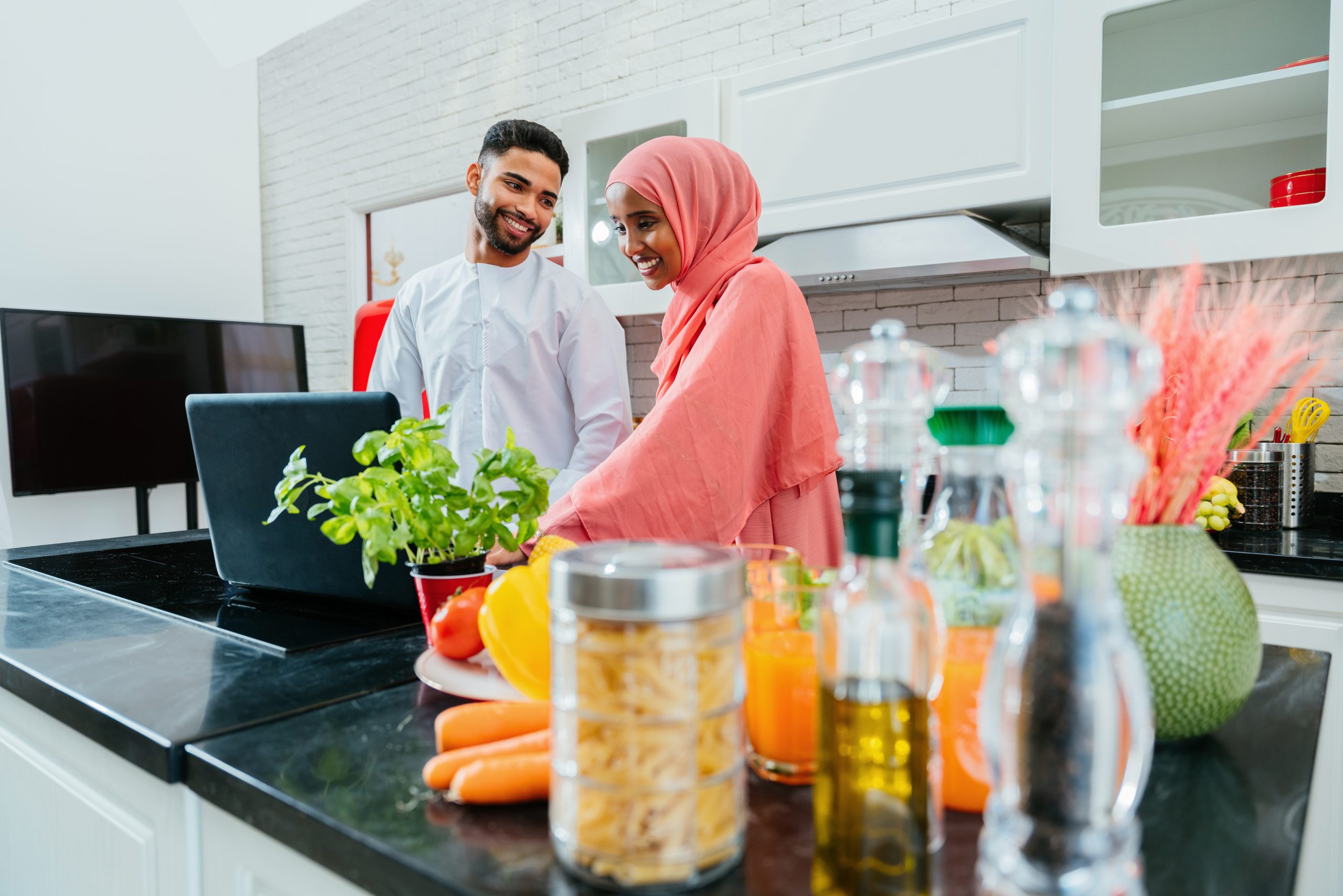
In Islam, cooking and food preparation are not just everyday chores—they can also be acts of worship when approached with care and faith. Following Sunnah-based practices in the kitchen means incorporating the guidance of the Prophet Muhammad (peace be upon him) in how food is prepared, handled, and consumed. These practices promote cleanliness, moderation, gratitude, and mindfulness, reflecting Islamic values in everyday life.
Understanding and implementing Sunnah in the kitchen benefits families, hosts, and professional Muslim chefs alike, turning ordinary meals into spiritually meaningful experiences.
Zabiha restaurants across the United States have transformed halal dining into a flavorful experience — from juicy kebabs and rice platters to fusion burgers and smoky grilled meats. While eating out is enjoyable, recreating these popular Zabiha dishes at home offers better nutrition, cost savings, and full control over ingredients. For authentic Zabiha meals prepared by experienced Muslim chefs, you can explore Hilal Caters, which makes it easy to enjoy restaurant-quality halal cuisine at home. With the right techniques and seasoning, you can enjoy restaurant-style halal meals right in your own kitchen.
What Are Sunnah-Based Practices?
The word Sunnah refers to the actions, sayings, and approvals of the Prophet Muhammad (peace be upon him). In the context of food, Sunnah provides guidance on hygiene, etiquette, and ethical behavior in cooking, serving, and eating. Following these practices enhances the spiritual and practical aspects of meals.
Key Sunnah Practices in the Kitchen
1. Cleanliness and Hygiene
The Prophet emphasized cleanliness as half of faith. In the kitchen, this includes:
-
Washing hands before and after handling food
-
Keeping utensils, surfaces, and cooking areas clean
-
Ensuring ingredients are fresh and uncontaminated
Cleanliness not only aligns with Sunnah but also ensures safe and healthy meals for the family and guests.
2. Eating and Serving Food with the Right Etiquette
Sunnah guides Muslims on how to serve and eat food:
-
Eating with the right hand
-
Saying Bismillah (in the name of Allah) before starting a meal
-
Eating moderately and avoiding overeating
-
Serving others generously and sharing food with neighbors or those in need
These practices foster gratitude, community, and mindfulness during meals.
3. Using Simple and Natural Ingredients
The Prophet preferred simple, wholesome foods that were natural and nourishing. Ingredients like dates, honey, olive oil, barley, and fresh fruits were staples of his diet. Following this Sunnah encourages:
-
Using fresh, natural, and healthy ingredients
-
Avoiding unnecessary additives or processed foods
-
Focusing on nutrition and well-being while maintaining halal compliance
4. Mindful Cooking and Intention (Niyyah)
Cooking with intention is a Sunnah-based practice that transforms meal preparation into an act of worship. Before cooking, Muslims are encouraged to have the niyyah (intention) to serve halal, wholesome food for the benefit of family, guests, or community. This mindset:
-
Enhances the spiritual value of the meal
-
Promotes ethical handling of ingredients
-
Encourages patience, care, and attention in preparation
5. Moderation and Avoiding Waste
The Prophet discouraged wastefulness and encouraged moderation. In the kitchen, this Sunnah is reflected in:
-
Cooking appropriate quantities
-
Storing leftovers responsibly
-
Sharing excess food with others instead of discarding it
This approach respects resources, aligns with ethical principles, and benefits both the household and the wider community.
6. Prayers and Gratitude
Sunnah emphasizes thanking Allah for provision. Simple practices include:
-
Saying Alhamdulillah (praise be to Allah) after cooking
-
Acknowledging the blessings of ingredients and tools
-
Involving children or family members in expressing gratitude for meals
Gratitude transforms cooking from a routine task into a spiritually enriching activity.
Benefits of Following Sunnah in the Kitchen
-
Spiritual Enrichment: Cooking becomes an act of worship when guided by intention and Sunnah practices.
-
Health and Hygiene: Cleanliness and natural ingredients promote better health.
-
Ethical Living: Moderation, sharing, and ethical sourcing align with Islamic values.
-
Family and Community Bonding: Meals prepared according to Sunnah encourage sharing, generosity, and mindful eating.
-
Professional Advantage: Muslim chefs who follow Sunnah provide authentic halal meals with care, quality, and spiritual alignment.
Final Thoughts
Sunnah-based practices in the kitchen are not limited to religious observance—they enhance health, ethics, and quality of life while connecting daily tasks to faith. By emphasizing cleanliness, intention, moderation, gratitude, and ethical handling of ingredients, families and professional chefs can turn ordinary meals into meaningful experiences.
Whether cooking at home, preparing food for guests, or hiring a professional Muslim chef, incorporating Sunnah principles ensures that meals are wholesome, halal, and spiritually enriching. In this way, every dish prepared in the kitchen becomes an opportunity to follow the Prophet’s guidance and earn blessings in everyday life.