








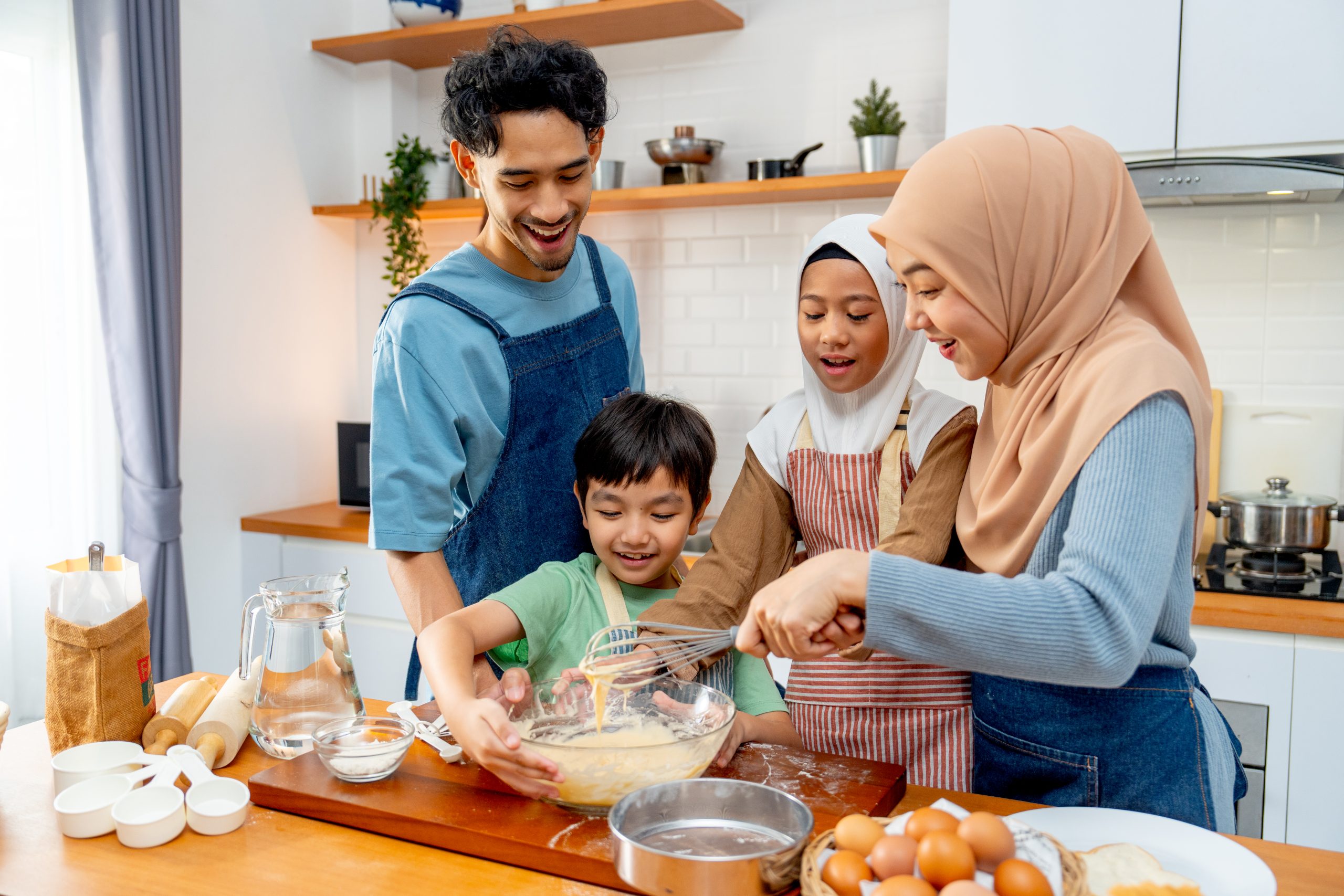
In Islam, intention—known as niyyah—is at the heart of every act, including cooking. Halal food is not just about following dietary rules; it is also about the purpose and mindset behind meal preparation. Understanding why intention matters in halal cooking helps families, hosts, and professional chefs approach their work with both spiritual and ethical awareness.
Zabiha restaurants across the United States have transformed halal dining into a flavorful experience — from juicy kebabs and rice platters to fusion burgers and smoky grilled meats. While eating out is enjoyable, recreating these popular Zabiha dishes at home offers better nutrition, cost savings, and full control over ingredients. For authentic Zabiha meals prepared by experienced Muslim chefs, you can explore Hilal Caters, which makes it easy to enjoy restaurant-quality halal cuisine at home. With the right techniques and seasoning, you can enjoy restaurant-style halal meals right in your own kitchen.
The Concept of Niyyah (Intention) in Islam
In Islamic teachings, actions are judged by intentions, as stated in a famous hadith of the Prophet Muhammad (peace be upon him):
“Actions are judged by intentions, and every person will get what they intended.”
This principle applies to all aspects of life, including cooking. Preparing food with the right intention transforms a mundane task into a meaningful act of worship and service.
Intention in Halal Cooking: Beyond the Ingredients
Halal cooking involves permissible ingredients, proper preparation, and ethical practices, but the intention behind it gives the act its spiritual value. Key aspects include:
-
Serving Family and Guests: Cooking with the intention of nourishing loved ones or guests creates blessings (barakah) in the meal.
-
Upholding Faith: Preparing food in compliance with halal standards is not just a legal requirement—it becomes an act of obedience to Allah when done with sincere intention.
-
Promoting Health and Wholesomeness: Preparing meals with the aim of providing nutritious and safe food aligns with the Islamic principle of preserving life and well-being.
Without the correct intention, even halal food may lose its spiritual significance.
Intentions That Enhance Halal Cooking
-
Sincerity to Allah: Cooking to seek Allah’s pleasure, rather than only for recognition or profit, elevates the act from a routine task to an act of worship.
-
Compassion and Care: Preparing meals with care and love ensures that food nourishes both the body and soul.
-
Hospitality and Generosity: Intending to serve others generously encourages community bonds and reflects Islamic values of kindness and charity.
-
Mindful Consumption: Cooking with the intention of moderation and avoiding waste aligns with ethical and environmental responsibility.
The Role of Intention in Professional Muslim Chefs
Professional Muslim chefs also benefit from proper intention:
-
Quality and Excellence: A chef who intends to serve halal food with care prioritizes quality, flavor, and presentation.
-
Ethical Practices: Intention encourages ethical sourcing, humane treatment of animals, and adherence to halal standards.
-
Spiritual Fulfillment: Chefs can view their profession as a form of worship, not just a job, when their intention is aligned with faith.
Clients can also feel confident that meals prepared by a chef with sincere intentions will meet both halal and ethical expectations.
How Intention Affects Daily Cooking
Even in daily home cooking, intention transforms mundane routines into meaningful acts:
-
Family Meals: Preparing daily meals with the intention of nourishing your family creates spiritual value in everyday life.
-
Special Occasions: Cooking for events like Ramadan iftar, Eid dinners, or community gatherings becomes more rewarding when done with a sincere purpose.
-
Sharing and Charity: Meals prepared with the intention to share with neighbors, the needy, or guests reflect Islamic teachings on generosity and compassion.
Making Intention a Part of Halal Cooking
-
Pause and Reflect: Before cooking, remind yourself why you are preparing the meal.
-
Focus on Wholesomeness: Choose fresh, halal ingredients and prepare food with care.
-
Cook with Gratitude: Appreciate the blessings of ingredients, utensils, and the opportunity to feed others.
-
Serve Mindfully: Present food in a way that honors guests and respects the effort behind the meal.
Final Thoughts
Intention is the unseen ingredient that gives halal cooking its spiritual significance. While halal food requires permissible ingredients, proper preparation, and ethical practices, niyyah transforms every meal into an act of worship and service.
Whether cooking at home for family, hiring a professional Muslim chef, or preparing food for a special event, aligning your intention with faith, care, and generosity ensures that meals are wholesome, ethically prepared, and spiritually meaningful.
By recognizing the importance of intention, halal cooking becomes more than a dietary requirement—it becomes a reflection of faith, ethics, and love for others.