

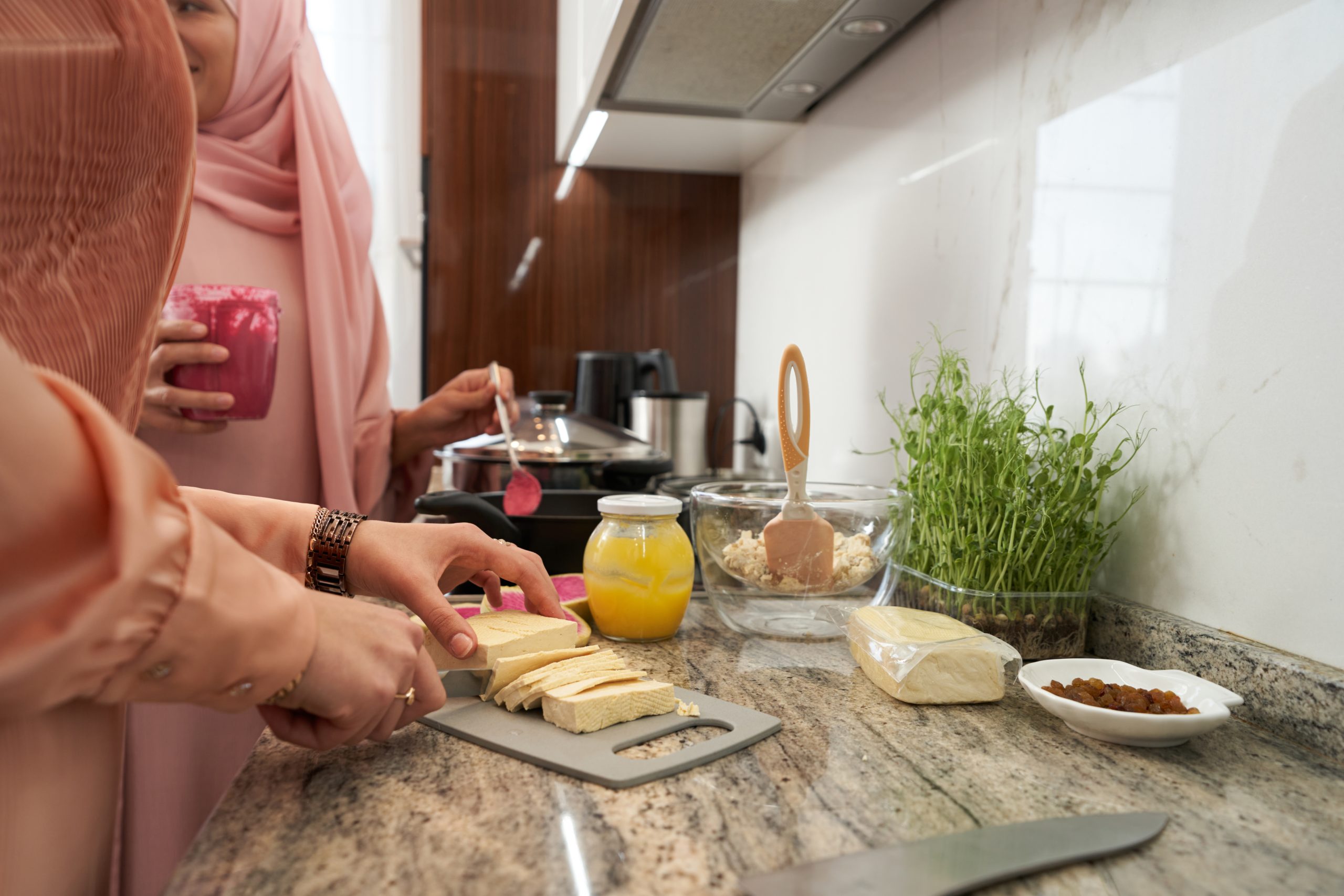


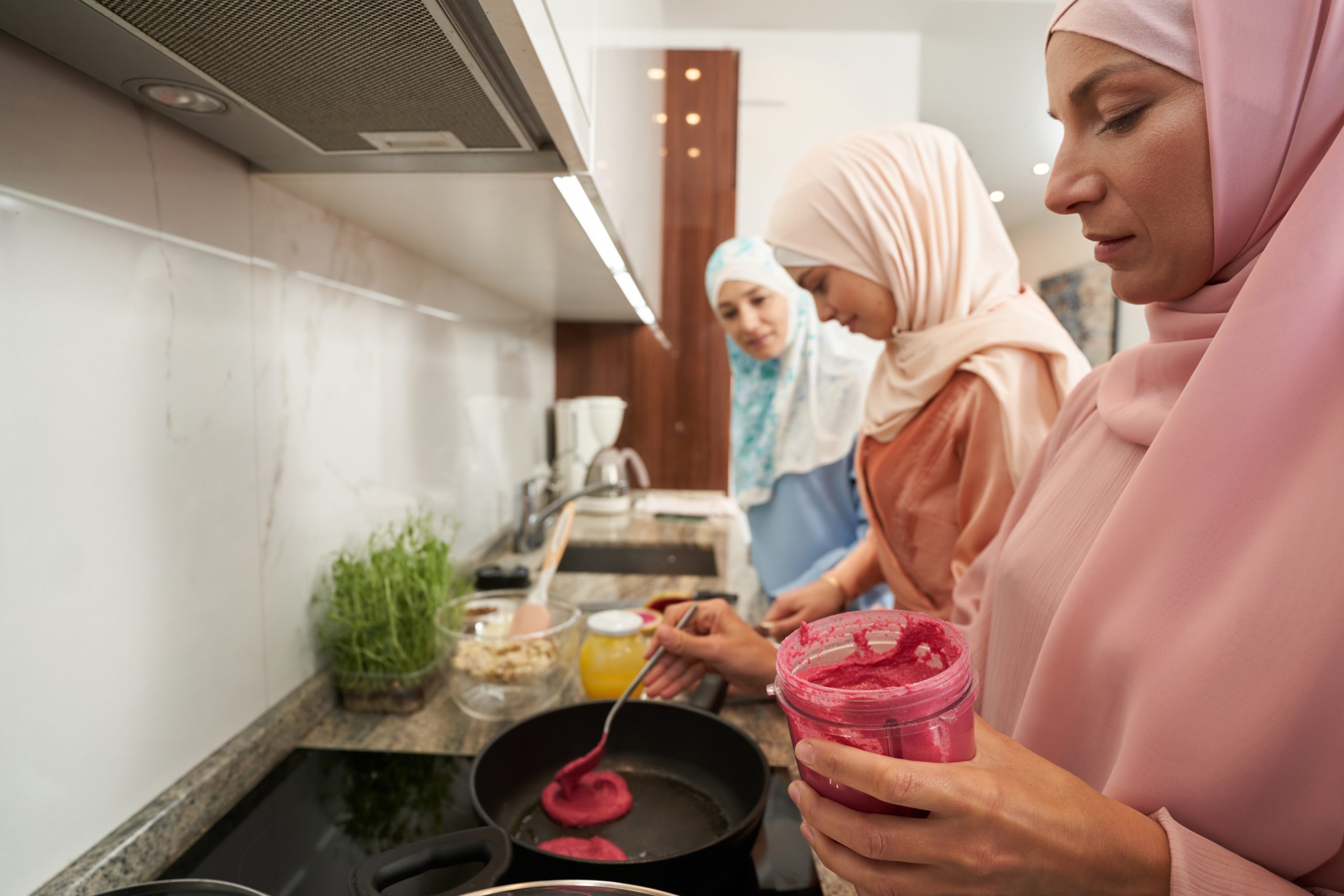
Food is more than just sustenance in Islam—it is a means of nurturing the body, mind, and soul. Beyond halal dietary laws, Islamic teachings provide guidance on ethical food preparation and cooking practices. These ethics ensure that food is wholesome, clean, and served in a way that aligns with moral and spiritual values.
Understanding Islamic ethics in cooking is essential for families, hosts, and professional chefs, helping them serve meals that are not only halal but also ethically prepared.
Zabiha restaurants across the United States have transformed halal dining into a flavorful experience — from juicy kebabs and rice platters to fusion burgers and smoky grilled meats. While eating out is enjoyable, recreating these popular Zabiha dishes at home offers better nutrition, cost savings, and full control over ingredients. For authentic Zabiha meals prepared by experienced Muslim chefs, you can explore Hilal Caters, which makes it easy to enjoy restaurant-quality halal cuisine at home. With the right techniques and seasoning, you can enjoy restaurant-style halal meals right in your own kitchen.
The Foundation of Islamic Food Ethics
Islamic ethics in food preparation are rooted in the Quran and Hadith. They emphasize purity, honesty, fairness, and respect for creation. Key principles include:
-
Halal and Tayyib: Food must be both halal (permissible) and tayyib (pure, wholesome, and beneficial). While halal ensures compliance with Islamic law, tayyib focuses on quality, safety, and health.
-
Cleanliness: The Prophet Muhammad (peace be upon him) emphasized hygiene in all aspects of life, including cooking. Utensils, surfaces, and hands must be clean to ensure safe and wholesome meals.
-
Avoiding Waste: Islam encourages moderation and discourages wastefulness. Cooking the right quantity, storing leftovers responsibly, and sharing excess food reflect ethical practices.
Ethical Treatment of Ingredients
Islamic food ethics also extend to how ingredients are sourced and handled:
-
Meat and Poultry: Animals should be treated humanely, and slaughter must follow zabiha guidelines. Ethical sourcing reflects respect for life and compliance with halal standards.
-
Fresh Produce: Fruits, vegetables, and grains should be clean, fresh, and free from harmful additives or chemicals. Organic and local options are encouraged where possible.
-
Avoiding Harmful Additives: Artificial or harmful substances that affect health violate the principle of tayyib. This includes certain preservatives, coloring agents, or non-halal additives.
Honesty and Transparency in Cooking
Islamic ethics emphasize honesty and transparency in all transactions, including cooking:
-
Labeling and Ingredients: Whether in home cooking or professional catering, it is important to disclose ingredients truthfully. Mislabeling food, using forbidden ingredients secretly, or deceiving guests violates Islamic principles.
-
Fair Pricing: When preparing food for sale or events, charging fair prices is part of ethical conduct. Exploitative pricing, hidden fees, or overcharging is discouraged.
Serving and Sharing Food with Integrity
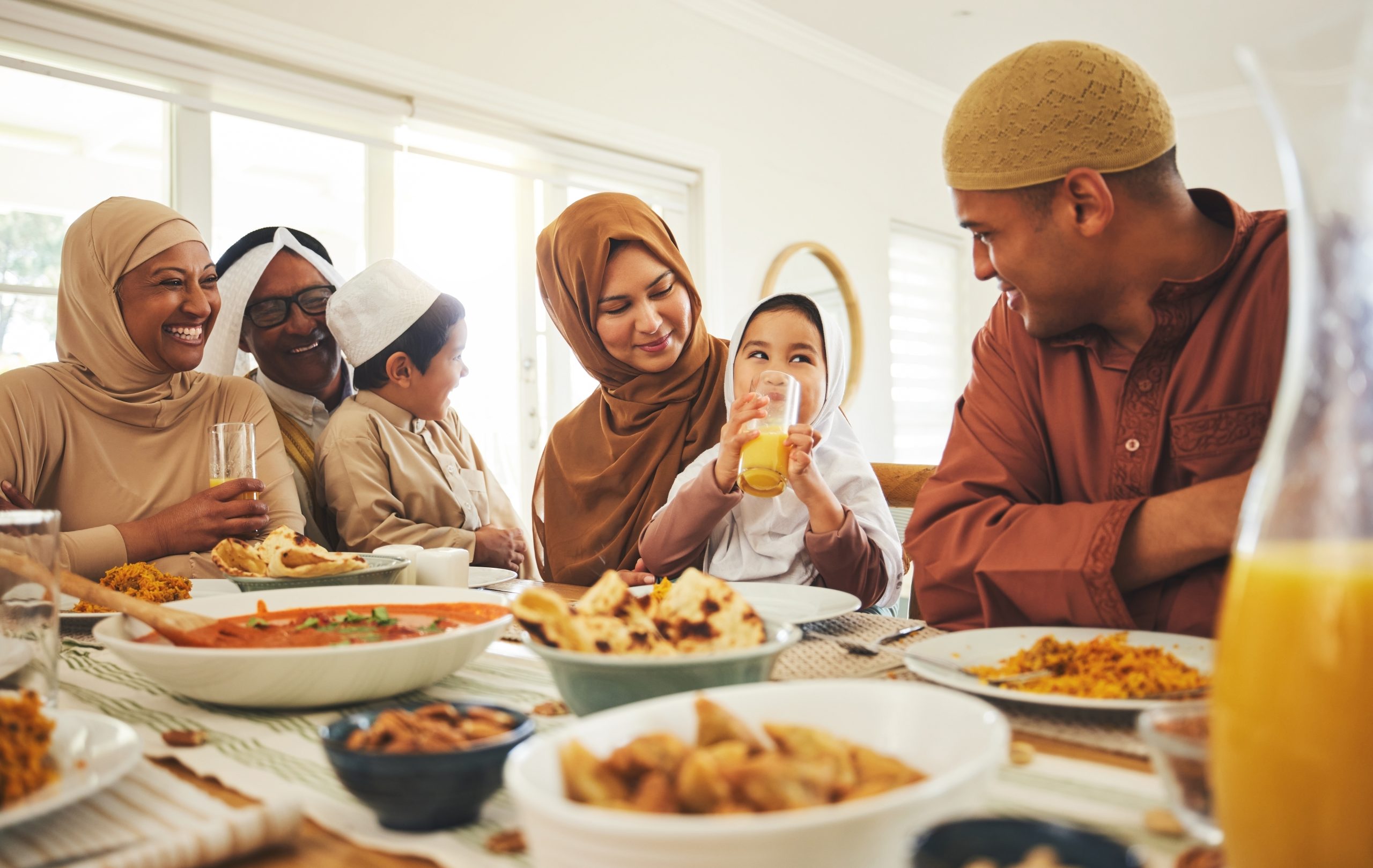
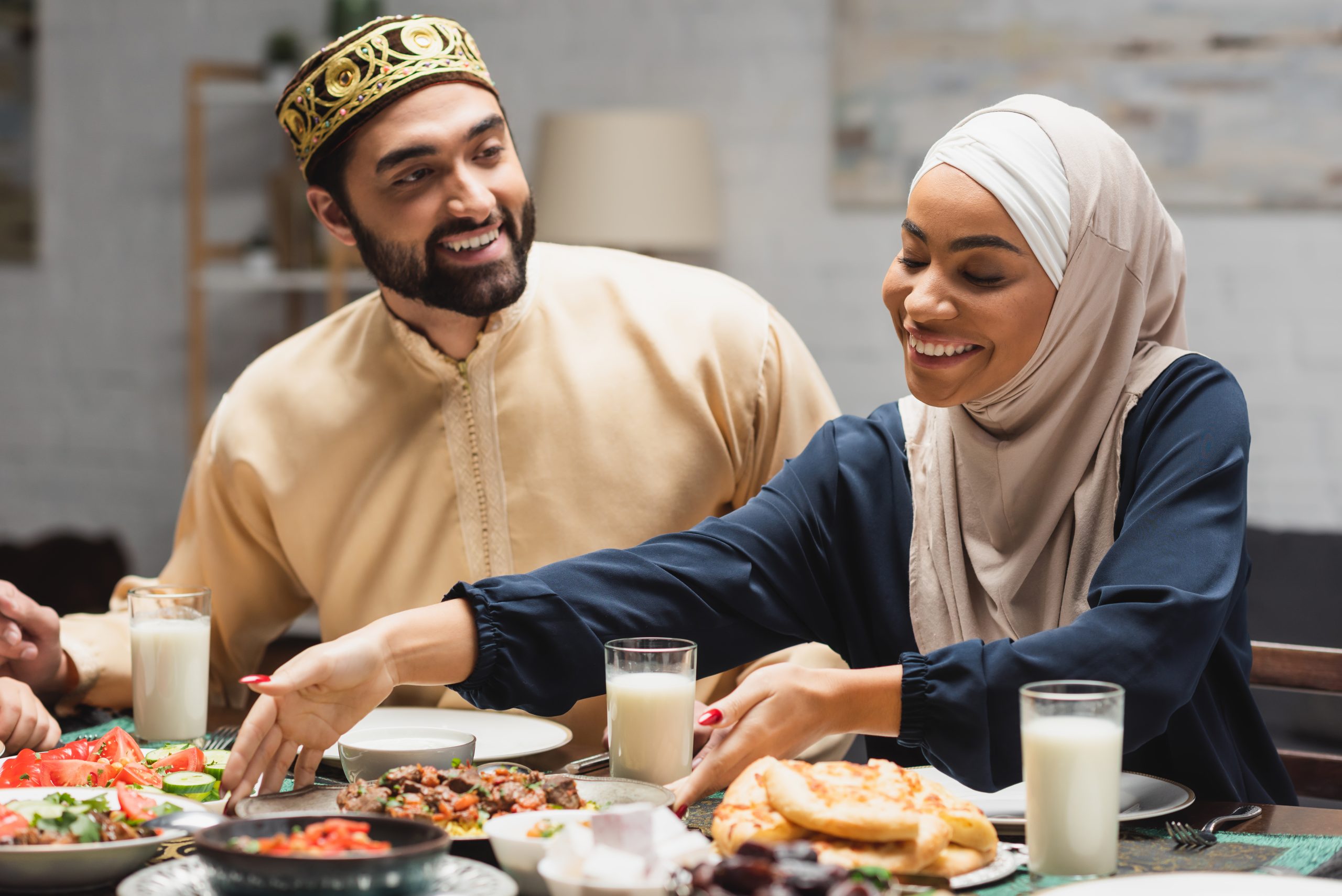
In Islam, food is a means of building community and showing generosity. Ethical food preparation also involves:
-
Serving Guests with Respect: Presenting meals attractively, offering generous portions, and ensuring quality demonstrates care and hospitality.
-
Sharing and Charity: Sharing food with neighbors, the poor, or during religious occasions aligns with Islamic values of giving and compassion.
-
Moderation in Eating: Eating with mindfulness, avoiding gluttony, and stopping before overindulgence reflects spiritual discipline.
Ethical Practices for Professional Chefs
For Muslim chefs, ethical cooking is both a religious obligation and a professional standard:
-
Ensuring all food is halal and tayyib
-
Avoiding shortcuts that compromise quality or faith compliance
-
Maintaining cleanliness and hygiene in the kitchen
-
Respecting clients’ dietary preferences and cultural sensitivities
-
Reducing food waste and sourcing ingredients responsibly
Hiring a Muslim chef can help families and event hosts maintain these ethical standards effortlessly, especially for large gatherings or special occasions.
Health, Wholesomeness, and Spiritual Awareness
Islamic food ethics also connect health and spirituality:
-
Preparing wholesome, nutritious meals supports physical well-being.
-
Avoiding harmful foods aligns with the Islamic emphasis on preserving life and health.
-
Mindful cooking and eating cultivate gratitude, patience, and awareness of God’s blessings.
The combination of halal, tayyib, and ethical practices ensures that meals are not only safe and nutritious but also spiritually enriching.
Final Thoughts
Islamic ethics in cooking and food preparation go beyond halal compliance. They incorporate cleanliness, honesty, fairness, moderation, and respect for life. By following these principles, families, hosts, and chefs can ensure that every meal is wholesome, ethically prepared, and spiritually meaningful.
Whether cooking at home or hiring a professional Muslim chef, adhering to Islamic food ethics fosters trust, community, and a deeper connection to faith. Meals prepared with care and ethical consciousness nourish both the body and the soul, turning everyday eating into an act of worship and mindfulness.