







Halal food has become increasingly recognized around the world, yet there are still many misconceptions about what it actually is and how it is prepared. For Muslims, following halal dietary laws is a key part of faith, but misunderstandings—both within and outside the community—can lead to confusion. Understanding the truth about halal food is important for families, hosts, and anyone serving halal meals.
This guide highlights the most common misconceptions about halal food and clarifies the facts.
Zabiha restaurants across the United States have transformed halal dining into a flavorful experience — from juicy kebabs and rice platters to fusion burgers and smoky grilled meats. While eating out is enjoyable, recreating these popular Zabiha dishes at home offers better nutrition, cost savings, and full control over ingredients. For authentic Zabiha meals prepared by experienced Muslim chefs, you can explore Hilal Caters, which makes it easy to enjoy restaurant-quality halal cuisine at home. With the right techniques and seasoning, you can enjoy restaurant-style halal meals right in your own kitchen.
Misconception 1: Halal Food Is Only About Meat
Many people believe that halal applies only to meat, but this is not true. Halal food encompasses all food and drink that is permissible under Islamic law. This includes fruits, vegetables, grains, dairy, seafood, and beverages.
Halal rules are not just about the ingredients but also about preparation, cleanliness, and avoiding contamination with haram (forbidden) items. For instance, using utensils that have been in contact with pork or alcohol can render even plant-based food non-halal.
Misconception 2: Halal Meat Is Unnecessarily Expensive
Some assume halal meat is always more expensive than non-halal meat. While halal-certified meat can be slightly higher in price due to sourcing, quality control, and proper slaughtering practices, it is not inherently overpriced.
The higher cost often reflects ethical sourcing, humane treatment of animals, and adherence to halal slaughter rules, which many families consider a worthwhile investment in quality and faith-compliant food.
Misconception 3: Halal Food Is Always Middle Eastern or South Asian
Another common misconception is that halal food is a specific type of cuisine. In reality, halal refers to dietary permissibility, not a style of cooking. Halal food can be prepared in any cuisine—Italian, Chinese, American, Mediterranean, or fusion—so long as the ingredients and preparation methods follow Islamic law.
For example, a halal pizza, burger, or sushi is completely permissible if it meets halal standards.
Misconception 4: All Seafood Is Automatically Halal
Seafood is another area of confusion. While most fish with scales are considered halal, opinions on shellfish and other seafood vary among different Islamic schools of thought. Some consider all seafood halal, while others allow only specific types.
This is why checking with a knowledgeable source or certified halal authority is important, especially for events or family meals.
Misconception 5: Halal Food Requires Special or Exotic Ingredients
Some people think cooking halal meals involves complicated or exotic ingredients. In reality, most everyday foods are naturally halal, such as fruits, vegetables, grains, eggs, and fish. The main concern is ensuring meat is halal-certified and avoiding haram ingredients, such as alcohol or gelatin from non-halal sources.
Simple home-cooked meals often meet halal standards without any special preparation.
Misconception 6: Halal Food Is Unhealthy
Some assume halal food is unhealthy, perhaps because they associate it with deep-fried or heavily spiced dishes in certain cuisines. In reality, halal food is not inherently unhealthy. Halal emphasizes cleanliness, proper handling, and ethical sourcing, which can actually contribute to healthier eating.
Like any diet, halal meals can be balanced, nutritious, and tailored for health-conscious families.
Misconception 7: Halal Food Is Difficult to Prepare at Home
Many think halal food is difficult or time-consuming to prepare. While proper halal compliance does require attention to ingredients and preparation, it is not overly complicated. Families can maintain halal standards by:
-
Sourcing halal-certified meat
-
Avoiding alcohol and forbidden ingredients
-
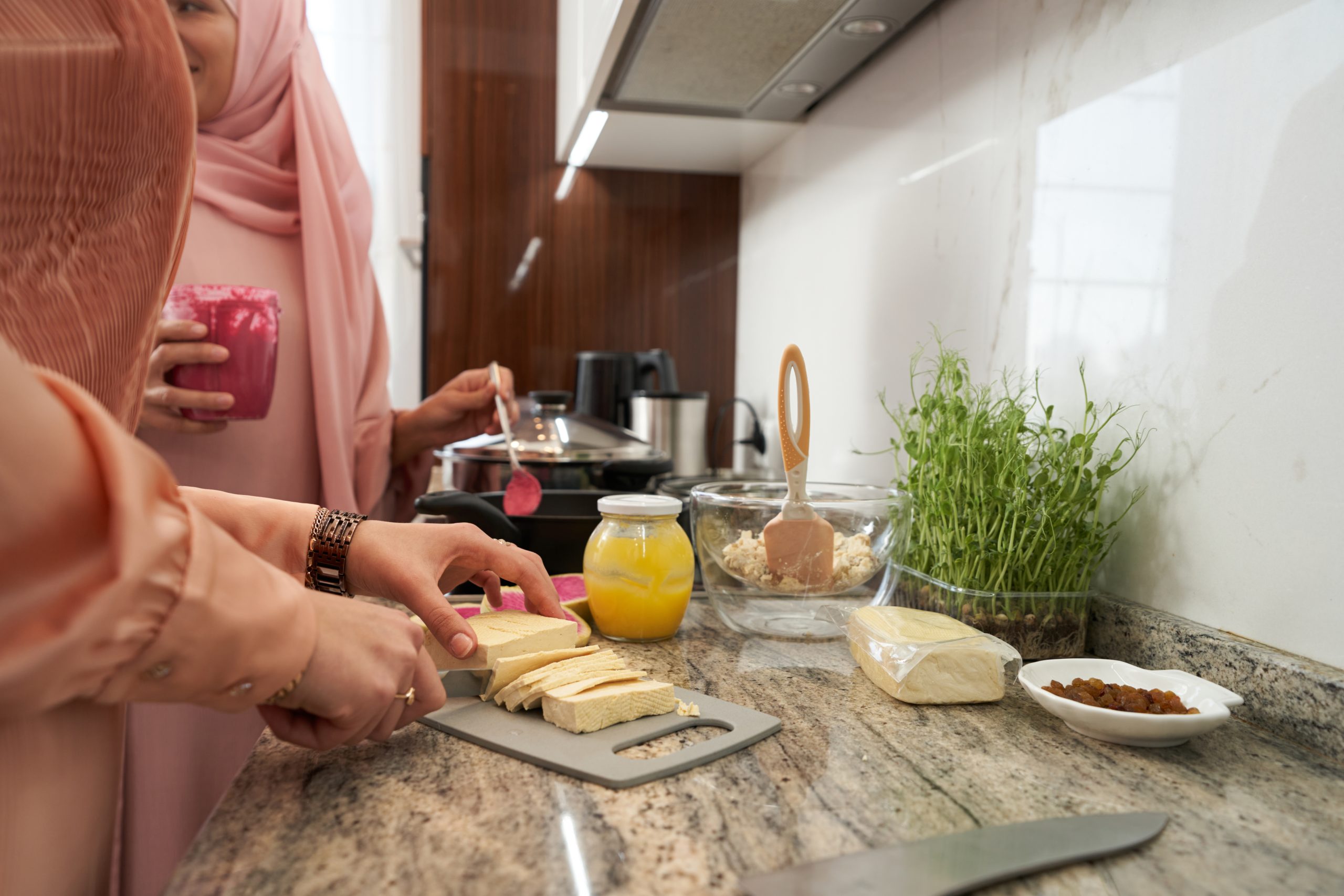
Keeping utensils and cooking areas clean and separate from non-halal items
For busy households, hiring a Muslim chef can simplify meal preparation while ensuring strict halal compliance.
Misconception 8: Only Muslims Can Prepare Halal Food
Non-Muslims can also prepare halal food, as long as they follow halal guidelines. Cooking halal requires knowledge of what is permissible and proper handling practices. Many restaurants and catering businesses worldwide successfully prepare halal meals for diverse clients, contributing to the global halal food market.
Final Thoughts
Halal food is often misunderstood, but the reality is simple: halal is about what is permissible, how food is sourced, and how it is prepared. It is not limited to specific cuisines, exotic ingredients, or meat alone, and it can be healthy and accessible for everyday life.
Understanding these misconceptions helps Muslim families maintain faith-compliant eating and enables hosts, chefs, and businesses to serve halal food confidently. Correct knowledge also promotes inclusivity, as more people appreciate the principles behind halal living and ethical food practices.
If you want, I can now prepare the next blog: “Benefits of Eating Halal Food” in the same professional, post-ready style, which will complement your halal blog series perfectly.