
Halal Food & Islamic Guidelines What Is Halal Food?

Halal vs Haram: Food Rules Every Muslim Should Know

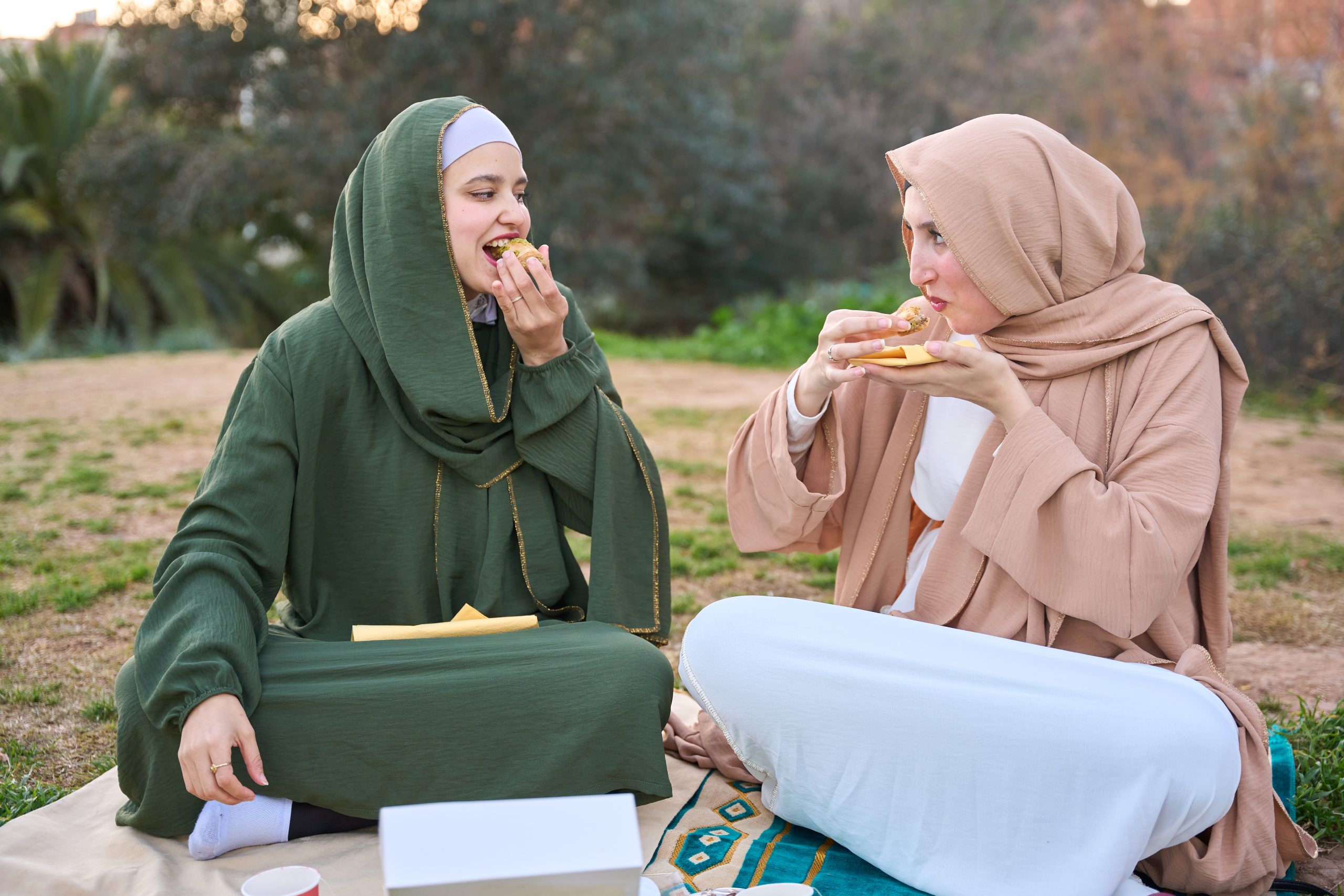
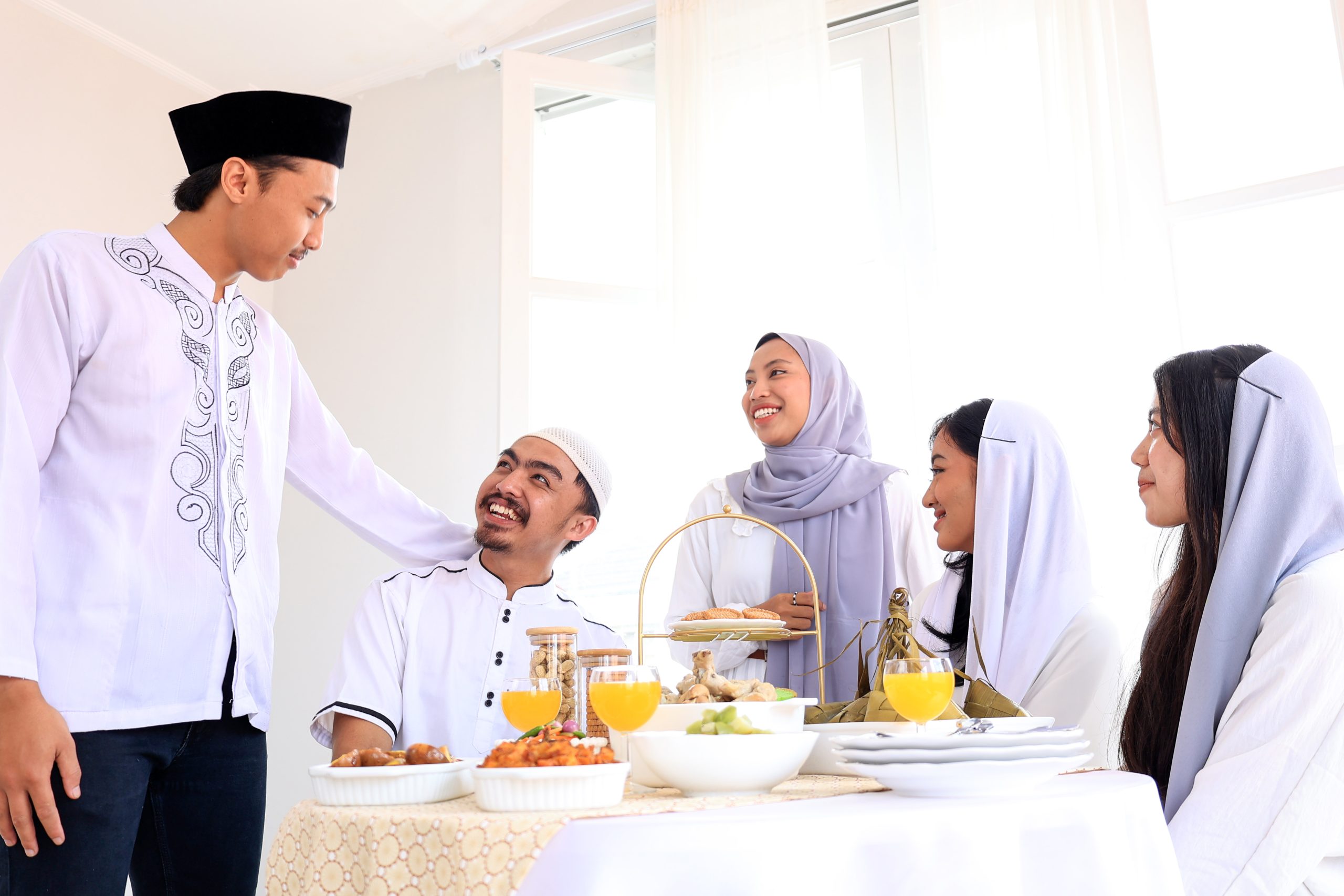
For Muslims, eating is not just about satisfying hunger—it is also a spiritual practice. Islamic dietary laws guide what is halal (permissible) and what is haram (forbidden), helping followers live in accordance with their faith. Understanding the difference between halal and haram foods is essential for daily life, family meals, and hosting guests, especially during religious occasions.

This guide provides a clear overview of food rules every Muslim should know.

Halal Food & Islamic Guidelines What Is Halal Food?

Common Misconceptions About Halal Food

Halal food has become increasingly recognized around the world, yet there are still many misconceptions about what it actually is and how it is prepared. For Muslims, following halal dietary laws is a key part of faith, but misunderstandings—both within and outside the community—can lead to confusion. Understanding the truth about halal food is important for families, hosts, and anyone serving halal meals.

Halal Food & Islamic Guidelines Islamic Cooking Ethics

Islamic Ethics in Cooking & Food Preparation

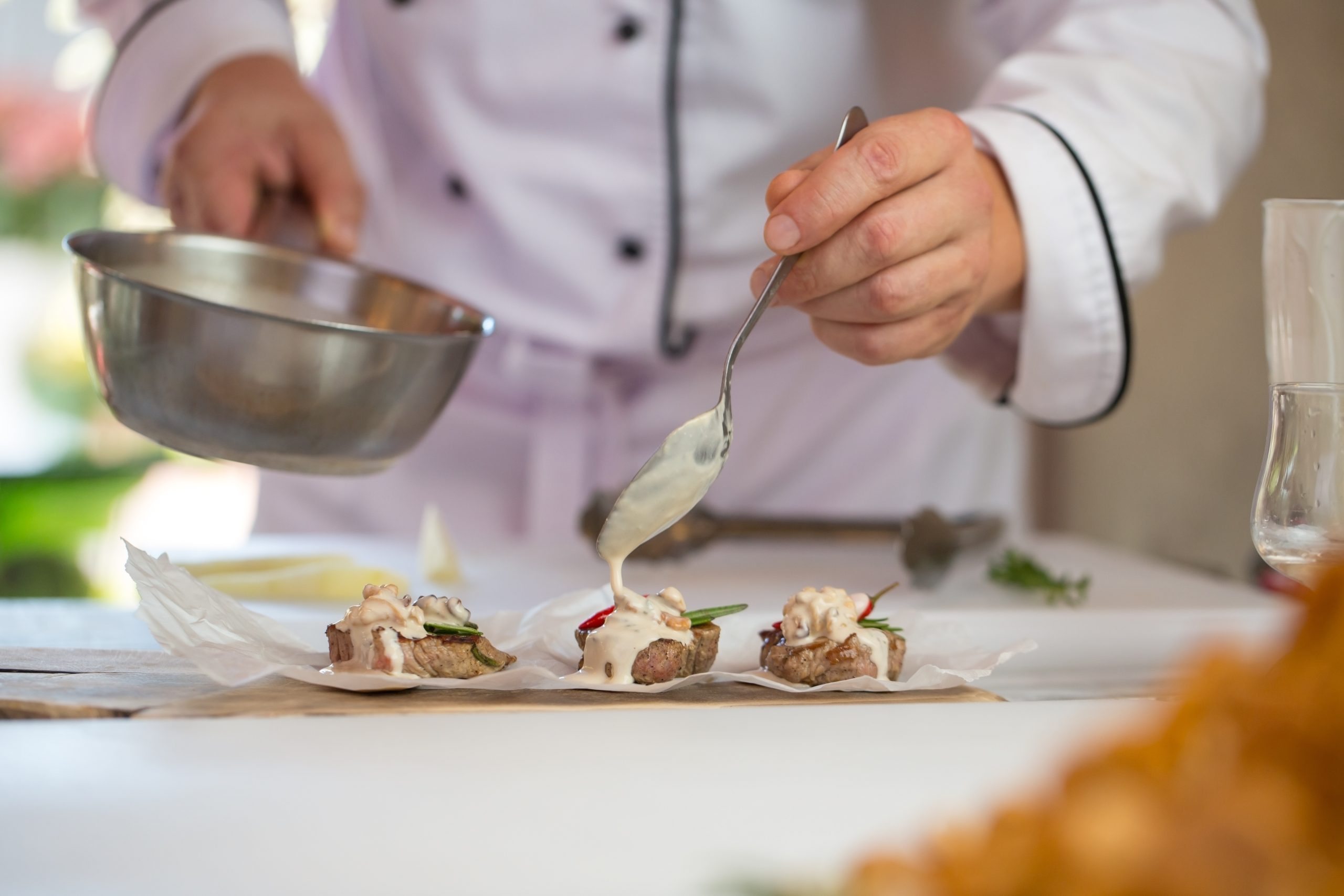
Food is more than just sustenance in Islam—it is a means of nurturing the body, mind, and soul. Beyond halal dietary laws, Islamic teachings provide guidance on ethical food preparation and cooking practices. These ethics ensure that food is wholesome, clean, and served in a way that aligns with moral and spiritual values.

Understanding Islamic ethics in cooking is essential for families, hosts, and professional chefs, helping them serve meals that are not only halal but also ethically prepared.

Halal Food & Islamic Guidelines Islamic Cooking Ethics

Why Intention Matters in Halal Cooking

In Islam, intention—known as niyyah—is at the heart of every act, including cooking. Halal food is not just about following dietary rules; it is also about the purpose and mindset behind meal preparation. Understanding why intention matters in halal cooking helps families, hosts, and professional chefs approach their work with both spiritual and ethical awareness.

Halal Food & Islamic Guidelines Islamic Cooking Ethics Uncategorized

Sunnah-Based Practices in the Kitchen

In Islam, cooking and food preparation are not just everyday chores—they can also be acts of worship when approached with care and faith. Following Sunnah-based practices in the kitchen means incorporating the guidance of the Prophet Muhammad (peace be upon him) in how food is prepared, handled, and consumed. These practices promote cleanliness, moderation, gratitude, and mindfulness, reflecting Islamic values in everyday life.

Halal Food & Islamic Guidelines Zabiha Halal Explained

What Is Zabiha Halal Meat?

For Muslims, consuming meat is not just about nutrition—it is also a matter of faith. Zabiha halal meat represents meat that is not only permissible under Islamic law but also prepared with care, ethical consideration, and spiritual compliance. Understanding what zabiha meat is, how it is prepared, and why it matters is essential for families, hosts, and professional chefs who want to serve halal meals with integrity.

Halal Food & Islamic Guidelines Zabiha Halal Explained

Difference Between Halal and Zabiha Halal

For Muslims, understanding halal dietary laws is essential, especially when it comes to meat. While halal and zabiha halal are often used interchangeably, there are important differences that affect how meat is prepared, consumed, and served. Knowing the distinction ensures compliance with Islamic law, maintains ethical practices, and helps families and hosts provide meals that are both wholesome and faith-aligned.

Halal Food & Islamic Guidelines Zabiha Halal Explained

Why Zabiha Halal Matters When Hiring a Chef

When hiring a chef for home meals, family gatherings, or special events, halal compliance is essential for Muslim households. However, not all halal meat is created equal. Zabiha halal meat, prepared according to strict Islamic guidelines, represents the highest standard of faith-compliant, ethical, and wholesome food. Understanding why zabiha matters can help families and hosts make informed choices when hiring a professional chef.

Event & Party Catering Wedding Muslim Chef Services

Hiring a Muslim Chef for Wedding Events

Weddings are a time of celebration, family gatherings, and shared joy. For Muslim families, food plays a central role in these events, reflecting halal compliance, hospitality, and cultural traditions. Hiring a professional Muslim chef for wedding events ensures that meals are not only delicious but also fully halal, ethically prepared, and beautifully presented.

Understanding the benefits of hiring a Muslim chef can make wedding planning smoother and more meaningful.

Event & Party Catering Wedding Muslim Chef Services

Halal Wedding Menu Ideas by Muslim Chefs

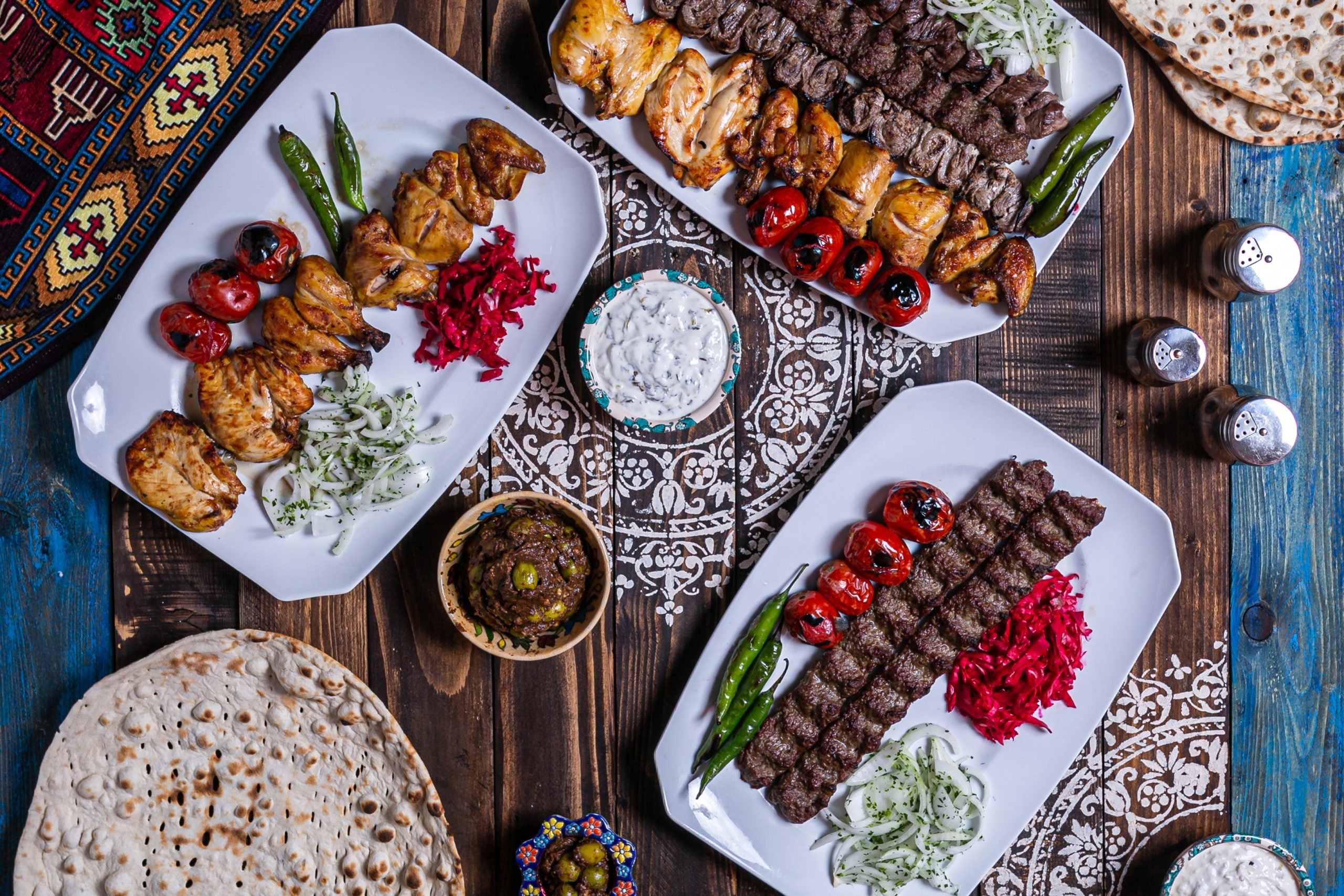
Weddings are a celebration of love, family, and community, and food plays a central role in creating memorable moments. For Muslim couples, ensuring that all dishes are halal and ethically prepared is a priority. Professional Muslim chefs specialize in creating menus that are not only delicious but also faith-compliant, culturally rich, and visually stunning.

Here’s a guide to halal wedding menu ideas that can inspire your special day.

At Hire Muslim chef, we connect families, professionals, and event organizers with experienced Muslim chefs who provide authentic halal meals.

Get Latest Updates and big deals

    Digaptics @2026. All Rights Reserved.