




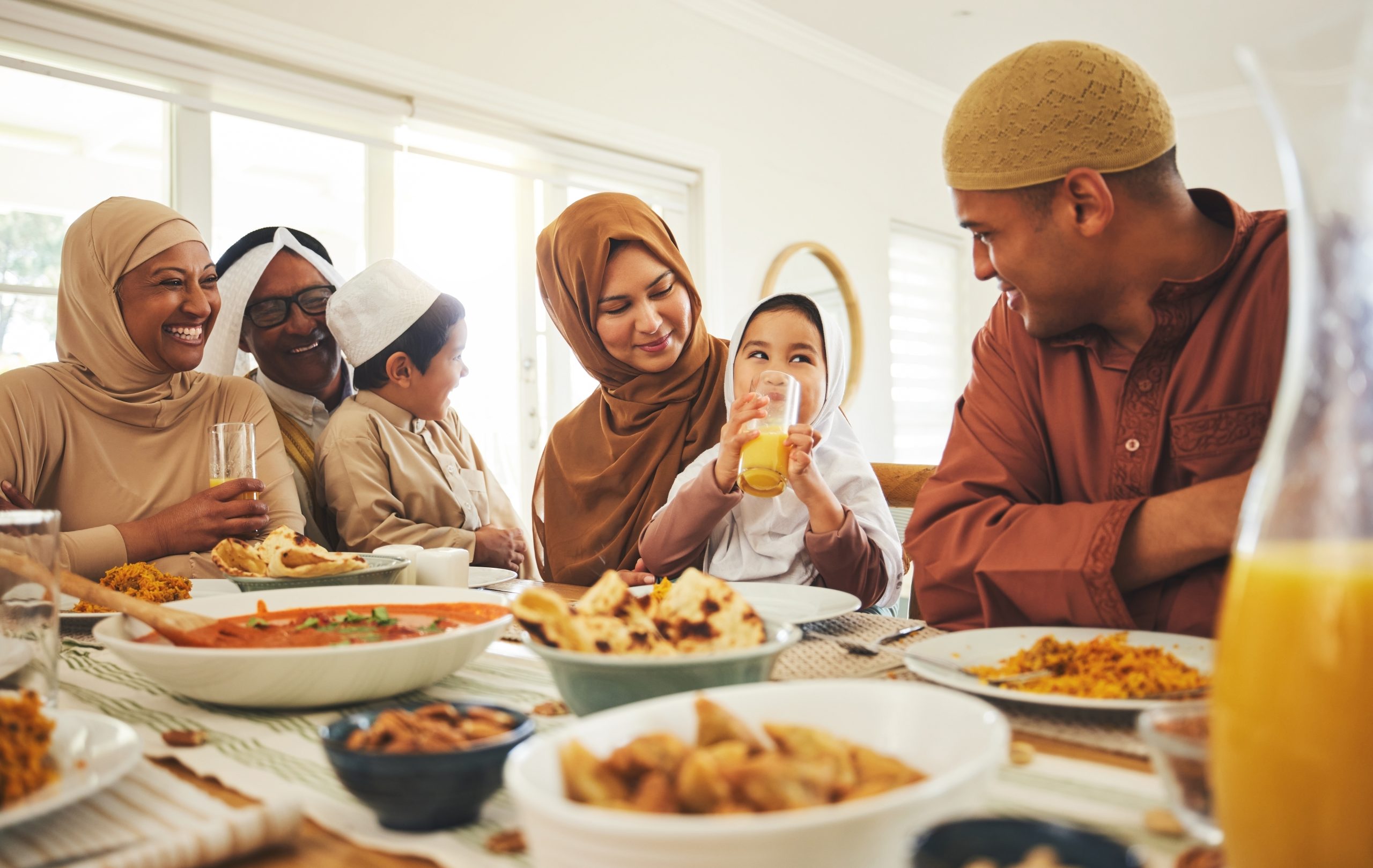
Halal dining is an essential part of daily life for Muslim families. It goes beyond simply choosing halal food and involves awareness, planning, and consistent habits that align with Islamic dietary principles. Whether eating at home or dining outside, following halal guidelines ensures not only religious compliance but also healthier and more mindful eating. Below are practical halal dining tips to help Muslim families maintain halal standards with confidence.
Zabiha restaurants across the United States have transformed halal dining into a flavorful experience — from juicy kebabs and rice platters to fusion burgers and smoky grilled meats. While eating out is enjoyable, recreating these popular Zabiha dishes at home offers better nutrition, cost savings, and full control over ingredients. For authentic Zabiha meals prepared by experienced Muslim chefs, you can explore Hilal Caters, which makes it easy to enjoy restaurant-quality halal cuisine at home. With the right techniques and seasoning, you can enjoy restaurant-style halal meals right in your own kitchen.
Understand Halal and Haram Clearly
The foundation of halal dining begins with a clear understanding of what is halal and what is haram. Halal foods include permissible meats, seafood, grains, fruits, and vegetables, while haram foods include pork, alcohol, improperly slaughtered meat, and certain additives.
Families should educate themselves on commonly overlooked ingredients such as gelatin, enzymes, flavorings, and alcohol-based preservatives to avoid accidental consumption of haram items.
Choose Trusted Halal Sources
When purchasing groceries or dining out, always choose trusted halal sources. Buy meat and poultry from reliable halal or zabiha-certified suppliers and stores. For packaged foods, check labels carefully for halal certification or ingredient details.
When dining outside, select restaurants known for halal practices or those that clearly state their halal compliance.
Ask Questions When Dining Out
Muslim families should feel comfortable asking questions when eating at restaurants. Ask about meat sourcing, cooking oils, cross-contamination, and alcohol usage in food preparation.
Clear communication helps avoid misunderstandings and ensures that meals meet halal standards. Restaurants that respect halal requirements are usually transparent and cooperative.
Prevent Cross-Contamination at Home
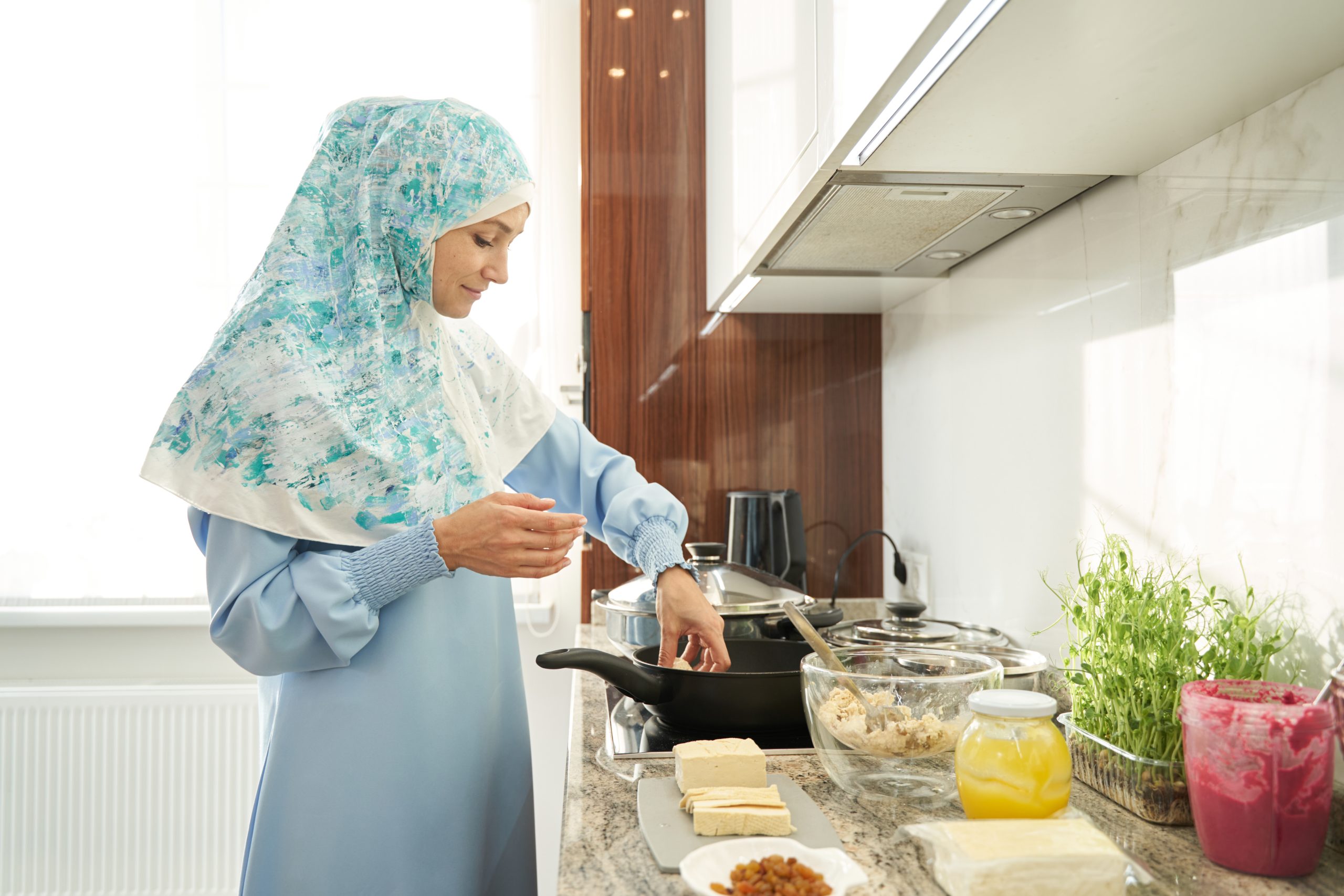
At home, maintaining halal dining standards requires careful kitchen management. Use separate utensils, cutting boards, and cookware for halal food, especially meat. Clean preparation surfaces thoroughly and store halal food separately from other items.
Teaching children about cross-contamination helps reinforce halal habits from a young age.
Plan Meals in Advance
Meal planning helps Muslim families stay consistent with halal dining. Planning weekly menus allows families to purchase halal ingredients in advance, avoid last-minute takeout, and reduce the risk of compromising halal standards.
Meal planning also helps manage budgets, reduce food waste, and ensure balanced nutrition.
Focus on Home-Cooked Meals
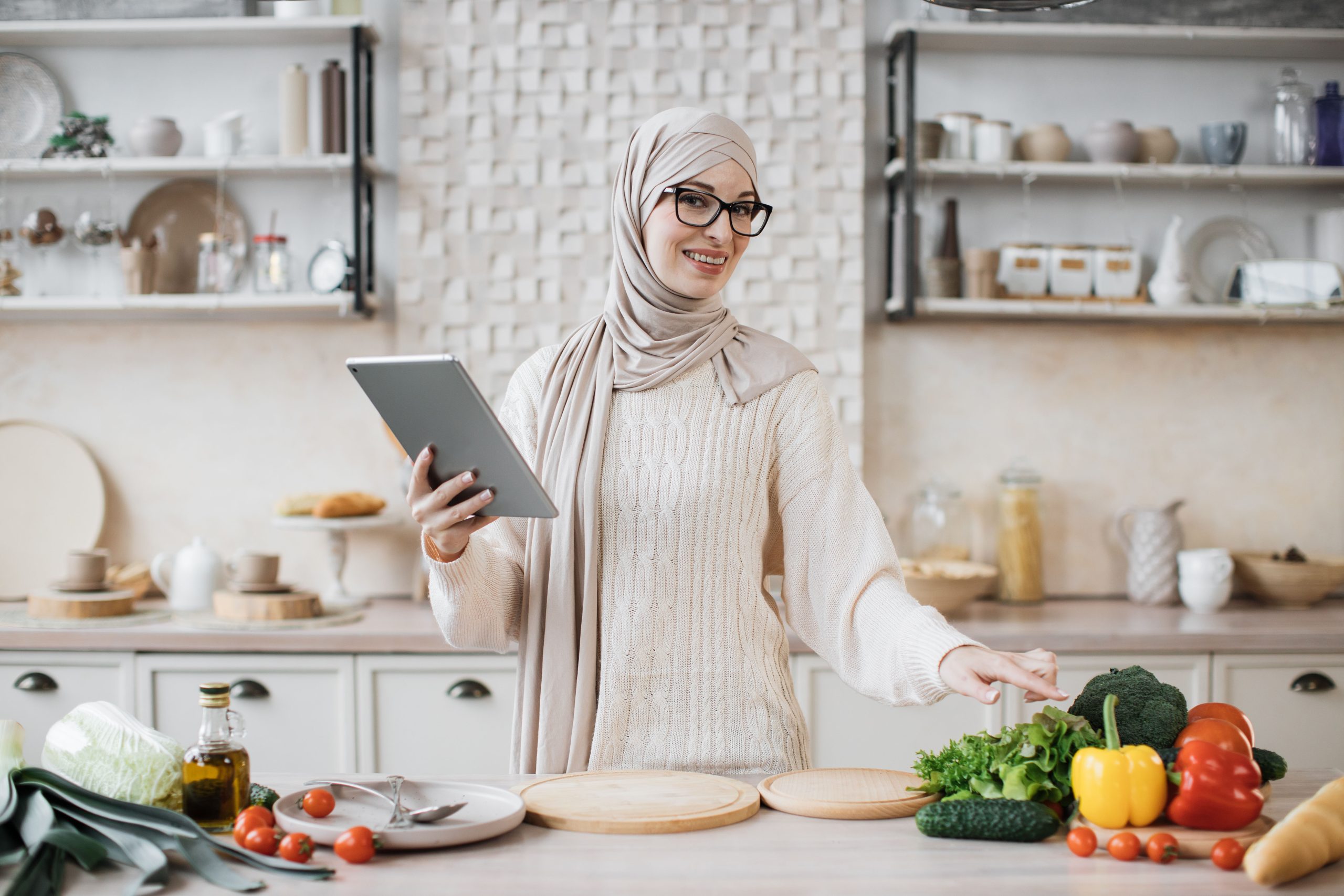
Home-cooked meals provide the highest level of control over ingredients and preparation. Cooking at home allows families to ensure that food is halal, hygienic, and nutritious.
Involving family members in cooking helps strengthen halal awareness and promotes healthier eating habits.
Be Mindful During Social Gatherings
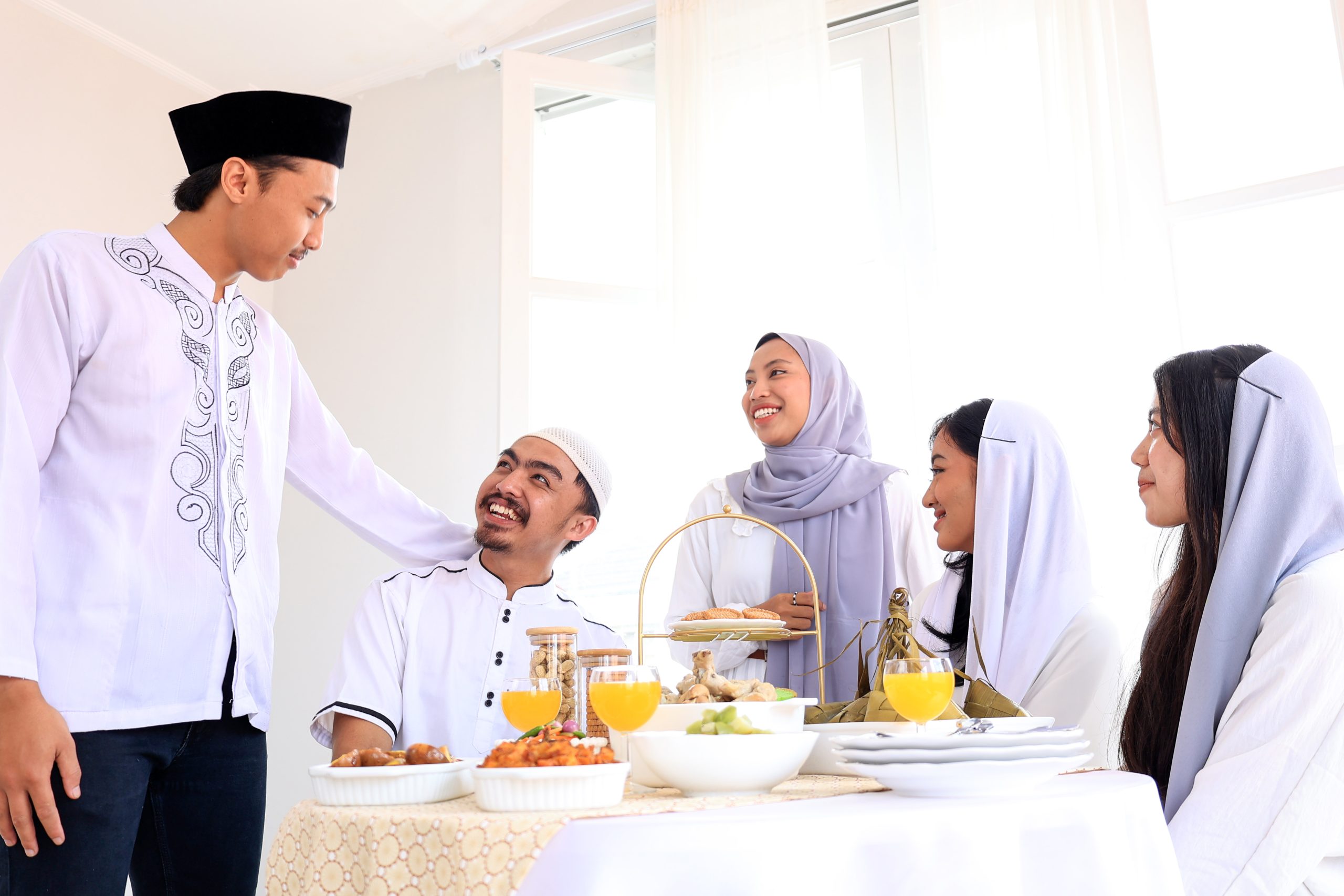
Social events and gatherings can sometimes present challenges for halal dining. Muslim families should plan ahead by confirming food arrangements with hosts or bringing halal dishes when appropriate.
Communicating dietary needs respectfully ensures comfort without compromising halal principles.
Teach Children About Halal Eating
Educating children about halal dining is essential for long-term consistency. Explain halal concepts in simple terms and encourage them to ask questions about food when outside the home.
This awareness helps children make informed choices at school, social events, and public spaces.
Balance Halal with Healthy Choices
Halal food should also be nutritious and balanced. Focus on meals that include vegetables, whole grains, lean proteins, and healthy fats. Avoid excessive fried or processed foods, even if they are halal.
Healthy halal dining supports overall well-being and long-term health for the entire family.
Consider Professional Halal Services
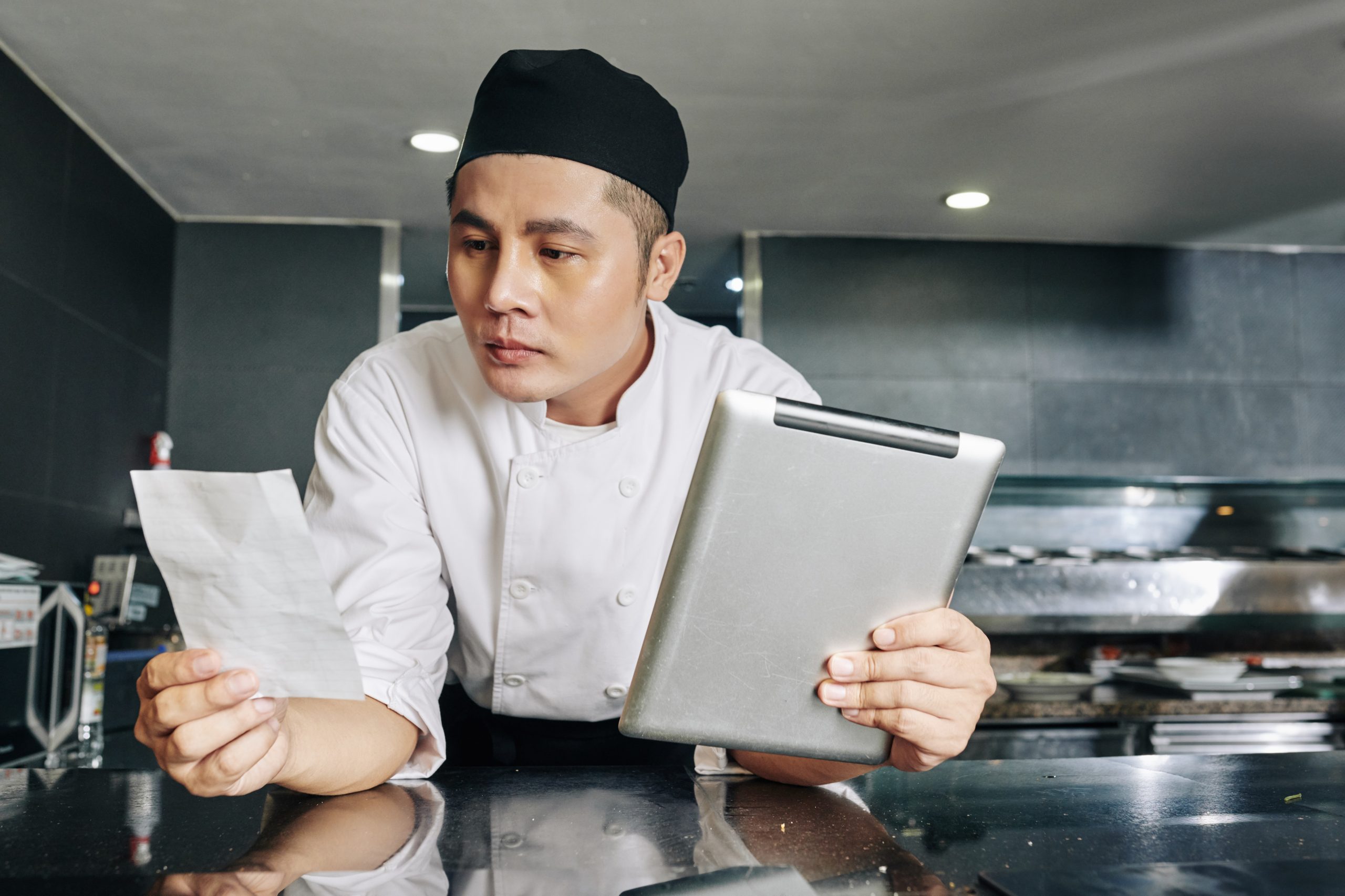
For busy households, hiring a Muslim chef or halal meal prep service can make halal dining easier and more consistent. Professional services ensure proper halal preparation while saving time and reducing daily stress.
This option is especially useful during busy work schedules, Ramadan, or special occasions.
Conclusion
Halal dining for Muslim families requires awareness, planning, and consistent habits. By choosing trusted halal sources, preventing cross-contamination, planning meals, and educating family members, families can maintain halal dining with confidence. These halal dining tips help ensure that daily meals align with Islamic values while supporting health, harmony, and peace of mind in family life.