






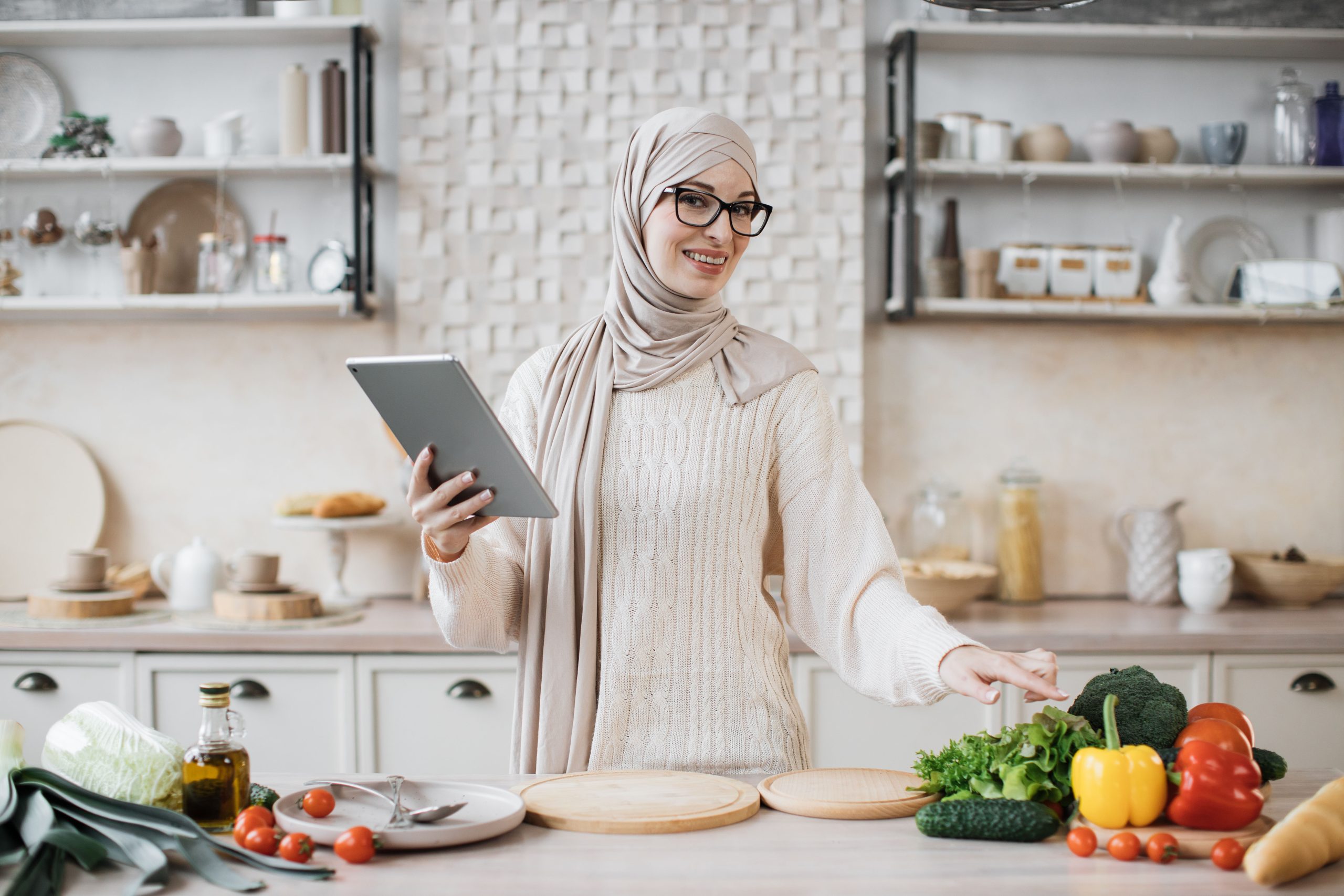


For Muslims, eating is not just about satisfying hunger—it is also a spiritual practice. Islamic dietary laws guide what is halal (permissible) and what is haram (forbidden), helping followers live in accordance with their faith. Understanding the difference between halal and haram foods is essential for daily life, family meals, and hosting guests, especially during religious occasions.
This guide provides a clear overview of food rules every Muslim should know.
Zabiha restaurants across the United States have transformed halal dining into a flavorful experience — from juicy kebabs and rice platters to fusion burgers and smoky grilled meats. While eating out is enjoyable, recreating these popular Zabiha dishes at home offers better nutrition, cost savings, and full control over ingredients. For authentic Zabiha meals prepared by experienced Muslim chefs, you can explore Hilal Caters, which makes it easy to enjoy restaurant-quality halal cuisine at home. With the right techniques and seasoning, you can enjoy restaurant-style halal meals right in your own kitchen.
What Does Halal Mean?
The word “halal” is Arabic for “permissible” or “lawful.” In terms of food, halal refers to any food or drink that Muslims are allowed to consume according to Shariah law. Halal food is not only about the ingredients—it also includes how the food is prepared, sourced, and handled.
Common examples of halal foods include:
-
Fresh fruits, vegetables, and grains
-
Seafood (depending on interpretation)
-
Halal-certified meat and poultry
-
Dairy products without haram additives
-
Eggs
Even processed foods can be halal if they do not contain haram ingredients such as alcohol, non-halal gelatin, or certain emulsifiers.
What Does Haram Mean?
Haram means “forbidden” in Arabic. Foods and drinks that are haram are strictly prohibited for Muslims. Consuming them is considered a violation of Islamic law.
Common haram foods include:
-
Pork and all pork products
-
Animals not slaughtered according to halal methods
-
Alcohol and intoxicating substances
-
Foods contaminated with haram ingredients
Eating haram food is not only prohibited but is also believed to affect spiritual well-being.
The Importance of Zabiha (Halal Slaughter)
One of the main distinctions in halal versus haram meat is how the animal is slaughtered. Zabiha is the Islamic method of slaughter that ensures meat is permissible. Key points include:
-
The animal must be healthy at the time of slaughter.
-
The slaughter must be performed by a sane, adult Muslim.
-
The name of Allah is invoked at the time of slaughter.
-
Blood must be fully drained from the animal.
Meat that does not meet these criteria is considered haram, even if it is from a halal animal.
Other Food Rules Every Muslim Should Know
1. Avoid Cross-Contamination
Even halal foods can become haram if they come into contact with non-halal items. For example, cooking halal meat in the same utensils that have been used for pork or alcohol-based sauces can render it non-compliant.
2. Alcohol and Intoxicants
Alcohol is haram, both for drinking and as an ingredient in food. This includes certain sauces, desserts, or beverages that contain wine, beer, or other alcoholic extracts.
3. Processed and Packaged Foods
Always check labels for hidden haram ingredients. Gelatin, certain emulsifiers, and flavorings may be derived from non-halal sources.
4. Seafood Rules
Opinions vary on which seafood is halal, depending on Islamic school of thought. Generally, fish with scales is considered halal, while shellfish may be subject to interpretation.
5. Moderation and Mindfulness
Islam encourages moderation and mindfulness in eating. Overeating or consuming low-quality, unhealthy food may not be haram, but it is discouraged as it goes against the principles of balance and well-being.
Tips for Maintaining Halal in Daily Life
-
Use separate utensils and cookware for halal and non-halal foods.
-
Hire a Muslim chef or buy from certified halal restaurants for events.
-
Verify ingredients when cooking processed or packaged foods.
-
Plan ahead for gatherings to ensure all meals are halal.
-
Educate children about halal vs haram from an early age to build lifelong habits.
Why Knowing Halal and Haram Matters
Following halal rules is more than just dietary compliance—it is a spiritual practice. Eating halal:
-
Aligns daily life with faith and ethical guidelines
-
Promotes cleanliness and hygiene
-
Encourages ethical treatment of animals
-
Ensures spiritual and physical well-being
For families and hosts, understanding halal and haram ensures that meals served at home or during events respect Islamic values.
Final Thoughts
Halal and haram are the cornerstone of Islamic dietary laws. Every Muslim should know the rules to make informed choices, whether eating at home, dining out, or hiring a chef for family events. By understanding what is permissible and what is forbidden, families can maintain faith-based practices, promote ethical eating, and enjoy meals that are both healthy and spiritually compliant.
With this knowledge, practicing halal living becomes easier, practical, and meaningful—strengthening both daily life and spiritual awareness.