



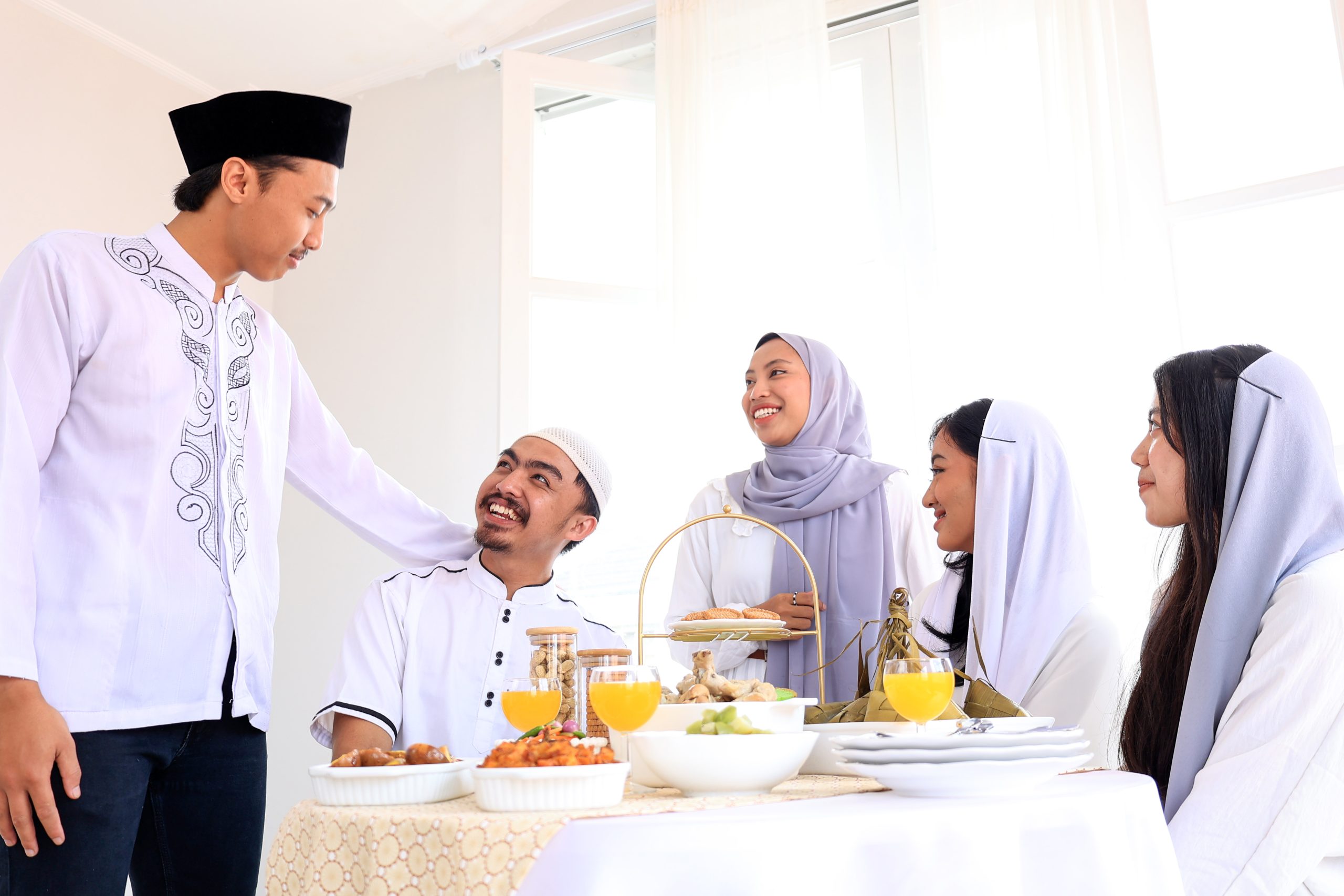

Weddings are a celebration of love, family, and community, and food plays a central role in creating memorable moments. For Muslim couples, ensuring that all dishes are halal and ethically prepared is a priority. Professional Muslim chefs specialize in creating menus that are not only delicious but also faith-compliant, culturally rich, and visually stunning.
Here’s a guide to halal wedding menu ideas that can inspire your special day.
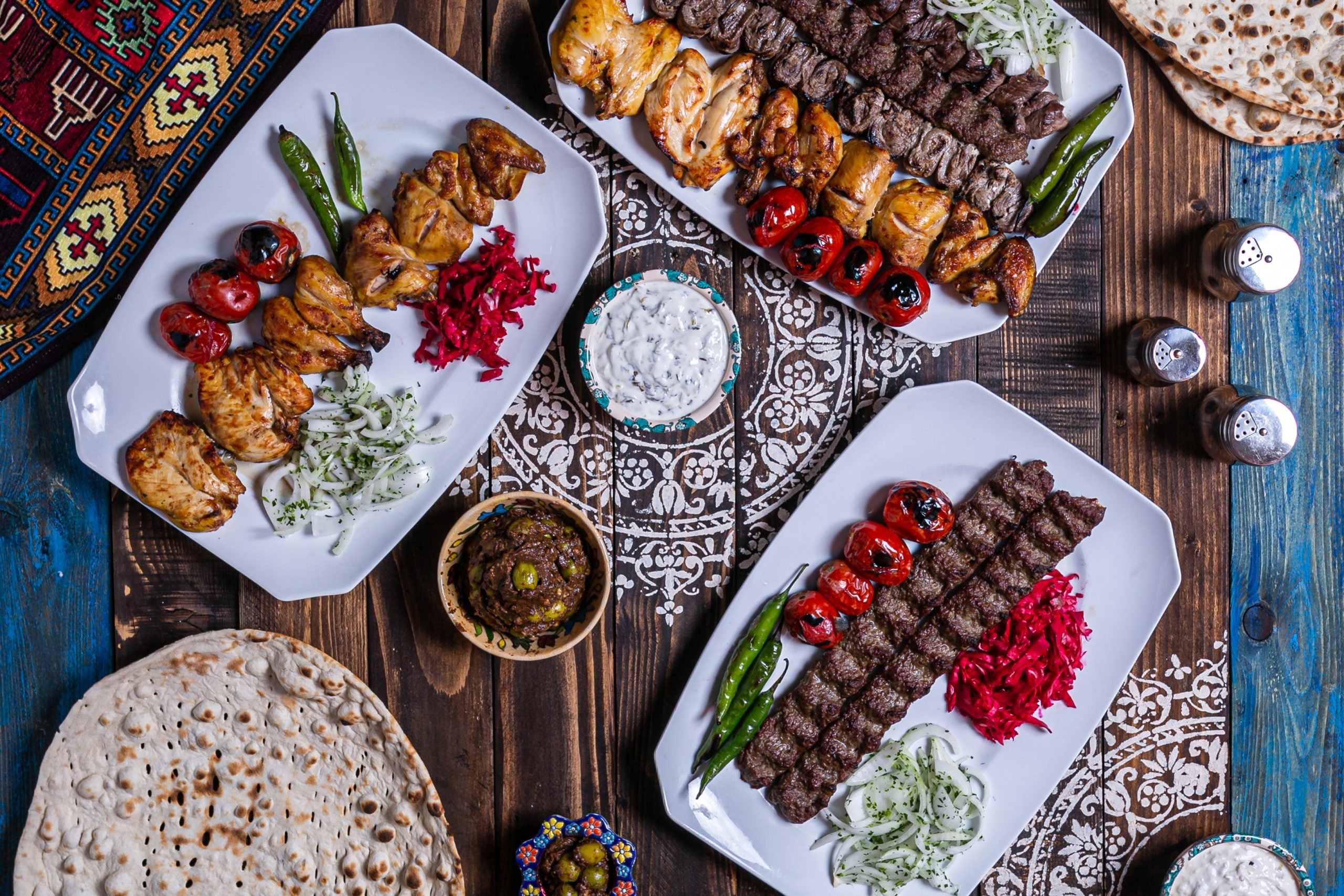
Zabiha restaurants across the United States have transformed halal dining into a flavorful experience — from juicy kebabs and rice platters to fusion burgers and smoky grilled meats. While eating out is enjoyable, recreating these popular Zabiha dishes at home offers better nutrition, cost savings, and full control over ingredients. For authentic Zabiha meals prepared by experienced Muslim chefs, you can explore Hilal Caters, which makes it easy to enjoy restaurant-quality halal cuisine at home. With the right techniques and seasoning, you can enjoy restaurant-style halal meals right in your own kitchen.
Starters and Appetizers
Wedding meals often begin with a variety of starters and appetizers to set the tone. Popular halal options include:
-
Stuffed Dates: Sweet dates filled with nuts or cream cheese, a perfect nod to Islamic tradition.
-
Samosas and Pakoras: Deep-fried or baked pastries filled with vegetables, meat, or chicken.
-
Mini Kebabs and Koftas: Bite-sized, grilled halal meat served with flavorful dips.
-
Hummus and Falafel Platters: Middle Eastern favorites that cater to vegetarian guests.
Muslim chefs often focus on fresh, wholesome ingredients and halal meats for appetizers, ensuring every bite aligns with dietary rules.
Main Course Ideas
The main course is the centerpiece of a wedding feast. Halal wedding menus can be diverse, elegant, and tailored to guest preferences:
-
Biryani Varieties: Aromatic rice dishes with chicken, lamb, or beef, cooked with herbs and spices.
-
Grilled and Roasted Meats: Zabiha halal lamb, chicken, or beef, seasoned with traditional spices.
-
Middle Eastern Classics: Dishes like lamb shawarma, chicken kabsa, or stuffed vegetables.
-
Vegetarian and Vegan Options: Lentil stews, vegetable curries, and quinoa-based dishes for inclusive dining.
-
Fusion Cuisine: Halal sushi, pasta, or international dishes infused with local flavors.
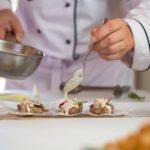
Professional Muslim chefs ensure proper portioning, halal meat sourcing, and visually appealing presentation, creating a feast that impresses guests and honors faith compliance.
Side Dishes and Accompaniments
Side dishes complement the main course and add variety to the menu:
-
Rice Pilafs and Couscous: Flavored with saffron, nuts, and dried fruits for elegance.
-
Roasted or Steamed Vegetables: Seasonal vegetables seasoned lightly for freshness.
-
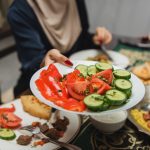
Salads and Dressings: Arabic salads, tabbouleh, or raita for cooling balance.
-
Bread and Flatbreads: Naan, pita, or lavash served warm alongside mains.
These dishes enhance the dining experience while keeping everything halal and wholesome.
Desserts and Sweet Treats
Desserts are often the highlight for guests of all ages. Muslim chefs create sweet finales that are fully halal and beautifully presented:
-
Baklava and Middle Eastern Pastries: Layers of nuts and honey for a classic touch.
-
Fruit Platters and Fresh Dates: Light, refreshing, and culturally traditional.
-
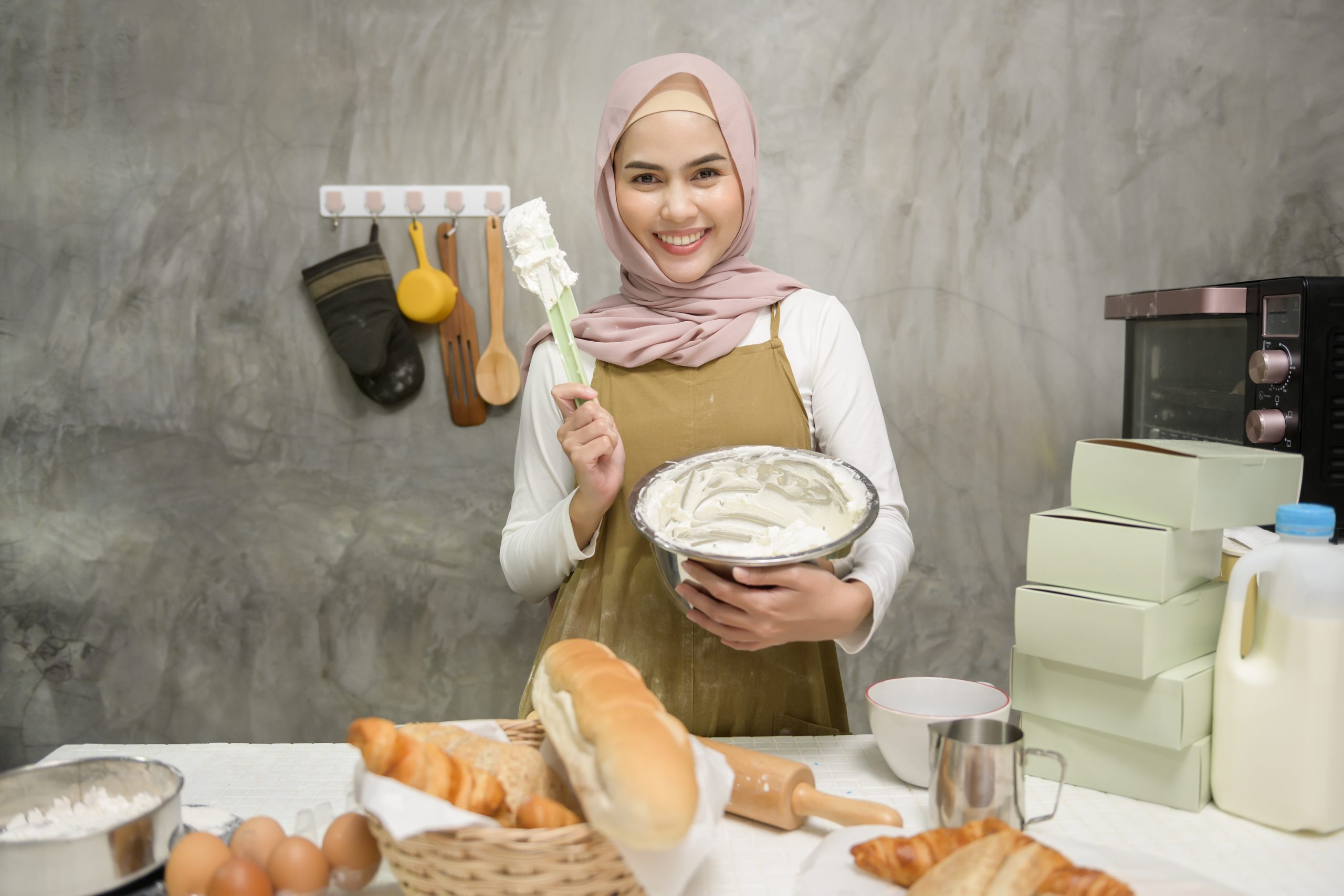
Halal Cakes and Cupcakes: Custom cakes for weddings without alcohol-based ingredients.
-
Rice Puddings and Kulfi: Creamy desserts that reflect South Asian flavors.
By focusing on alcohol-free, halal ingredients, chefs ensure that desserts are compliant while still indulgent and visually appealing.
Drinks and Beverages
Beverages complete the wedding menu while staying faithful to halal principles:
-
Fruit Juices and Smoothies: Freshly squeezed and naturally sweetened.
-
Herbal Teas and Infusions: Mint tea, hibiscus, or green tea for a refreshing touch.
-
Mocktails: Alcohol-free cocktails that add elegance without compromising halal guidelines.
Muslim chefs often coordinate beverages to complement each course, enhancing the overall dining experience.
Tips for Planning a Halal Wedding Menu
-
Work With the Chef Early: Discuss dietary needs, guest preferences, and cultural flavors.
-
Balance Meat and Vegetarian Options: Ensure inclusivity for all guests.
-
Incorporate Traditional Dishes: Honor family traditions with familiar favorites.
-
Plan for Presentation: Elegant plating and serving styles make a lasting impression.
-
Verify Halal and Zabiha Compliance: Ensure all meats meet halal standards.
Final Thoughts
Hiring a professional Muslim chef for your wedding ensures that every dish is halal, ethically prepared, and delicious. From appetizers and mains to desserts and beverages, a thoughtfully curated halal wedding menu creates a memorable and spiritually aligned dining experience.
With expert guidance, couples can celebrate their union with confidence, knowing that meals are faith-compliant, wholesome, and beautifully presented, leaving a lasting impression on guests while honoring Islamic traditions.