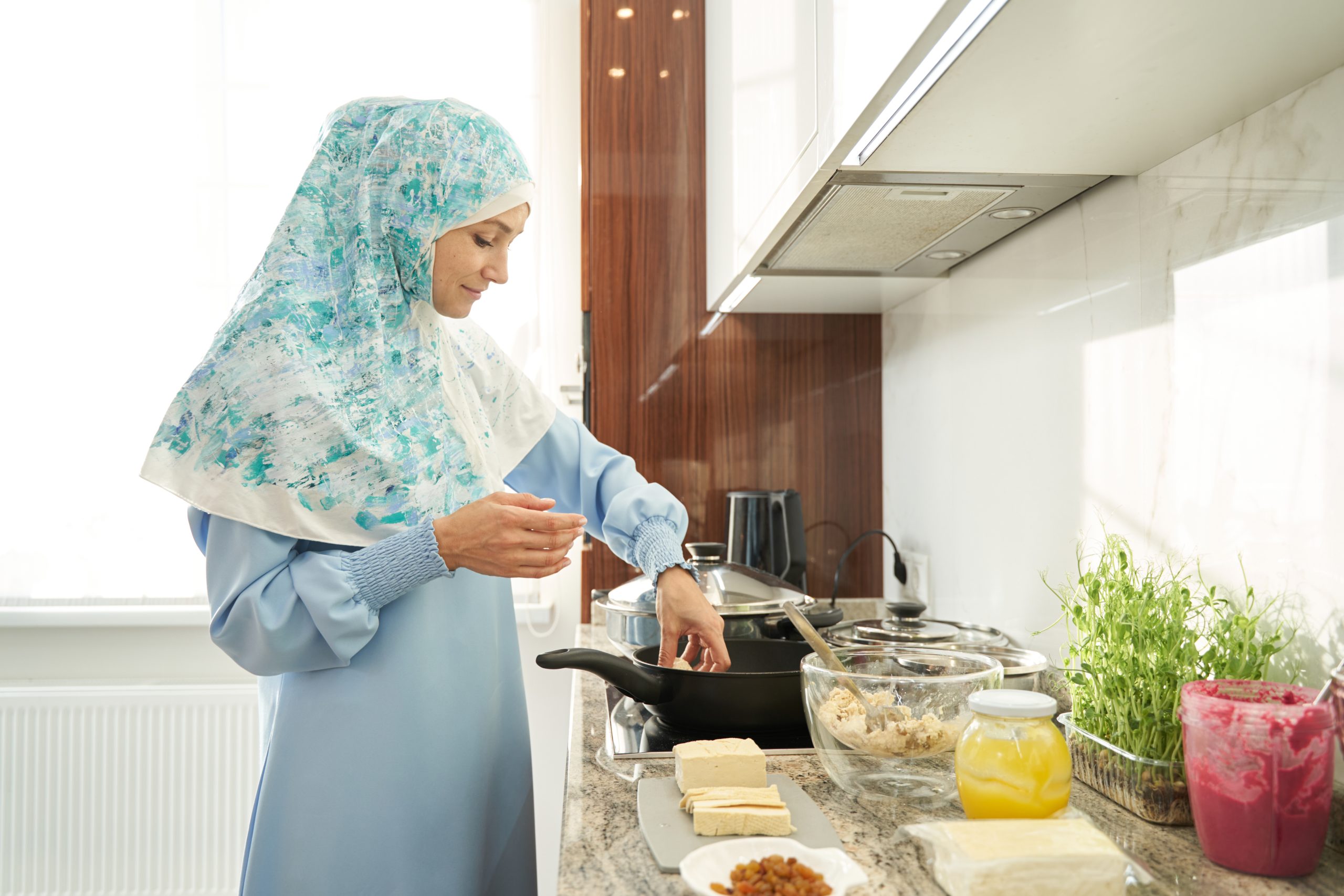






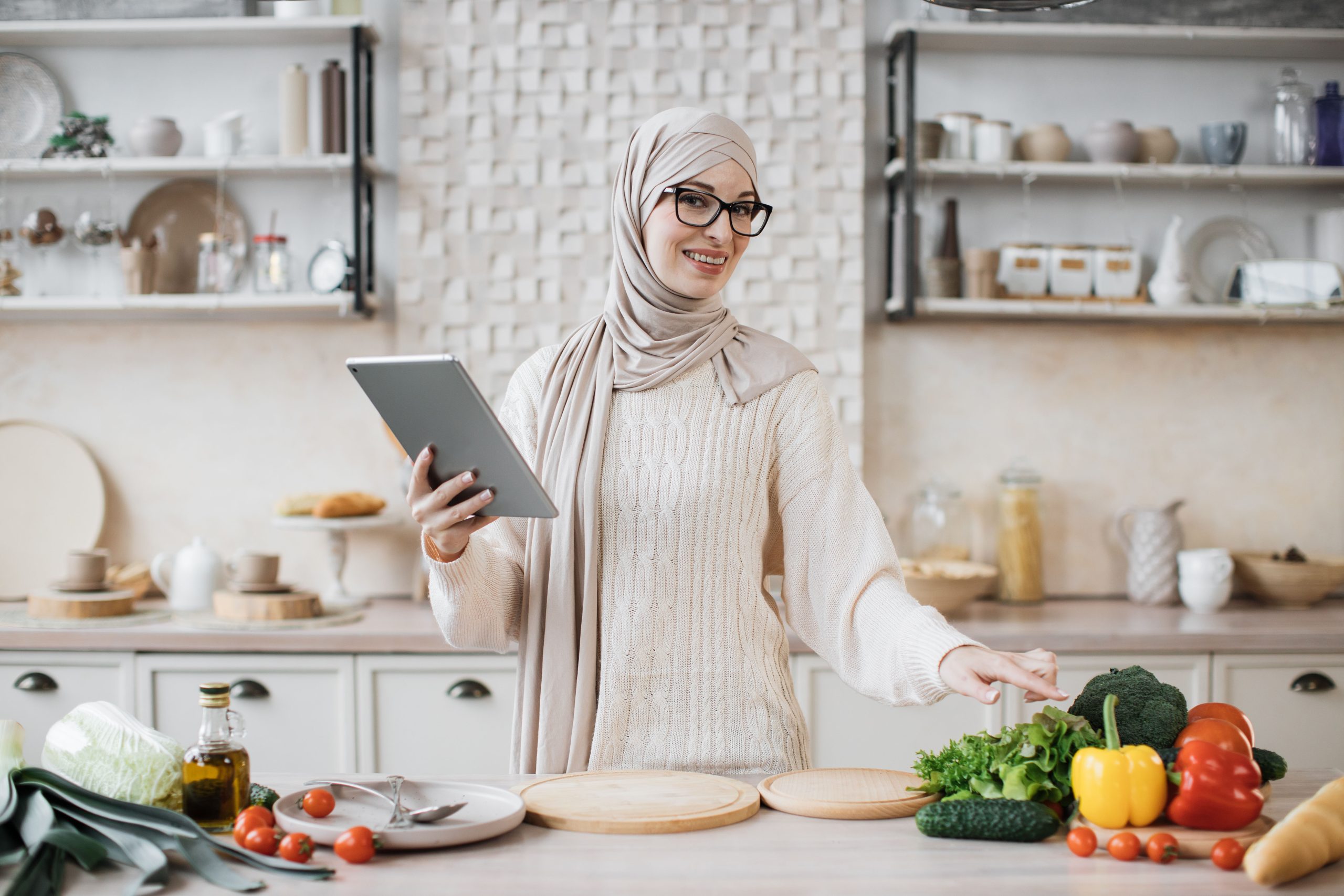

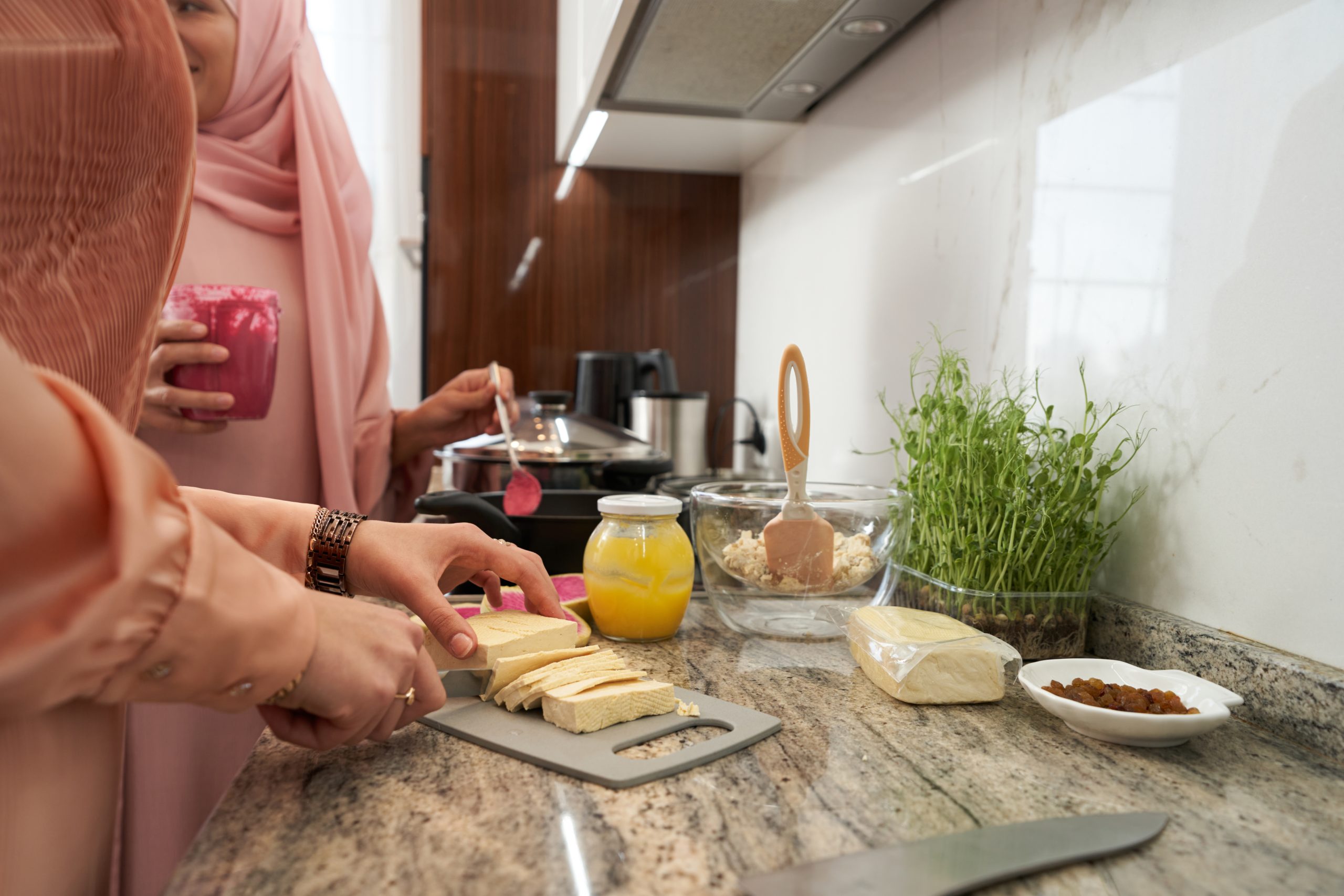
Maintaining a halal kitchen at home is essential for Muslim families who want to follow Islamic dietary laws with confidence and consistency. A halal kitchen is not only about the food you cook but also about how ingredients are sourced, stored, prepared, and served. With proper planning and awareness, it is possible to maintain a fully halal kitchen that supports a clean, ethical, and faith-aligned lifestyle.
Zabiha restaurants across the United States have transformed halal dining into a flavorful experience — from juicy kebabs and rice platters to fusion burgers and smoky grilled meats. While eating out is enjoyable, recreating these popular Zabiha dishes at home offers better nutrition, cost savings, and full control over ingredients. For authentic Zabiha meals prepared by experienced Muslim chefs, you can explore Hilal Caters, which makes it easy to enjoy restaurant-quality halal cuisine at home. With the right techniques and seasoning, you can enjoy restaurant-style halal meals right in your own kitchen.
Understanding the Concept of a Halal Kitchen
A halal kitchen is one where all food preparation follows Islamic dietary guidelines. This includes using halal or zabiha-certified ingredients, avoiding haram substances, and ensuring cleanliness throughout the cooking process. Maintaining a halal kitchen also involves preventing cross-contamination and being mindful of every step, from grocery shopping to serving meals.
Choose Halal-Certified Ingredients
The foundation of a halal kitchen begins with ingredients. Always purchase meat and poultry from trusted halal or zabiha-certified suppliers. Carefully read labels on packaged foods to check for non-halal ingredients such as alcohol-based flavorings, gelatin, or animal-derived enzymes.
When in doubt, research the ingredient or consult halal certification authorities. Building a habit of checking labels helps maintain consistency and confidence in your kitchen.
Separate Halal and Non-Halal Items
If non-halal food has ever been present in the kitchen, proper separation is essential. Use separate storage containers, utensils, cutting boards, and cookware for halal food. Clearly label items to avoid confusion.
For households transitioning to a fully halal kitchen, it is recommended to thoroughly clean or replace utensils and cookware to eliminate any risk of contamination.
Maintain Clean and Dedicated Cooking Utensils
Cleanliness is a core principle of halal food preparation. Wash utensils, cookware, and preparation surfaces thoroughly before and after cooking. Dedicated halal utensils help reduce the risk of cross-contamination, especially when cooking meat and poultry.
Regularly sanitize countertops, sinks, and storage areas to ensure a hygienic cooking environment.
Store Food Properly
Proper food storage plays an important role in maintaining a halal kitchen. Store halal meat separately from other food items and keep raw and cooked foods in sealed containers. Ensure refrigerators and freezers are clean and organized.
Label food items with purchase dates to maintain freshness and avoid waste. Organized storage helps prevent accidental mixing of ingredients.
Be Mindful of Cooking Oils and Additives
Many people overlook cooking oils, sauces, and additives when maintaining a halal kitchen. Ensure that oils, seasonings, sauces, and condiments are halal-certified and free from alcohol or animal-derived ingredients.
Even small additives can affect halal compliance, so it is important to verify commonly used items such as soy sauce, vinegar, and flavor enhancers.
Practice Ethical and Hygienic Cooking
Halal cooking emphasizes ethical behavior, cleanliness, and responsibility. Always prepare food in a clean environment and avoid wasting ingredients. Wash hands regularly and ensure that food is cooked thoroughly and safely.
Mindful and ethical cooking practices contribute to a kitchen environment that aligns with Islamic values.
Educate Family Members
Maintaining a halal kitchen is easier when everyone in the household understands its importance. Educate family members, especially children, about halal and haram food rules. Clear communication helps prevent mistakes and ensures consistency.
Encourage shared responsibility in grocery shopping, cooking, and kitchen organization.
Use Professional Halal Support When Needed
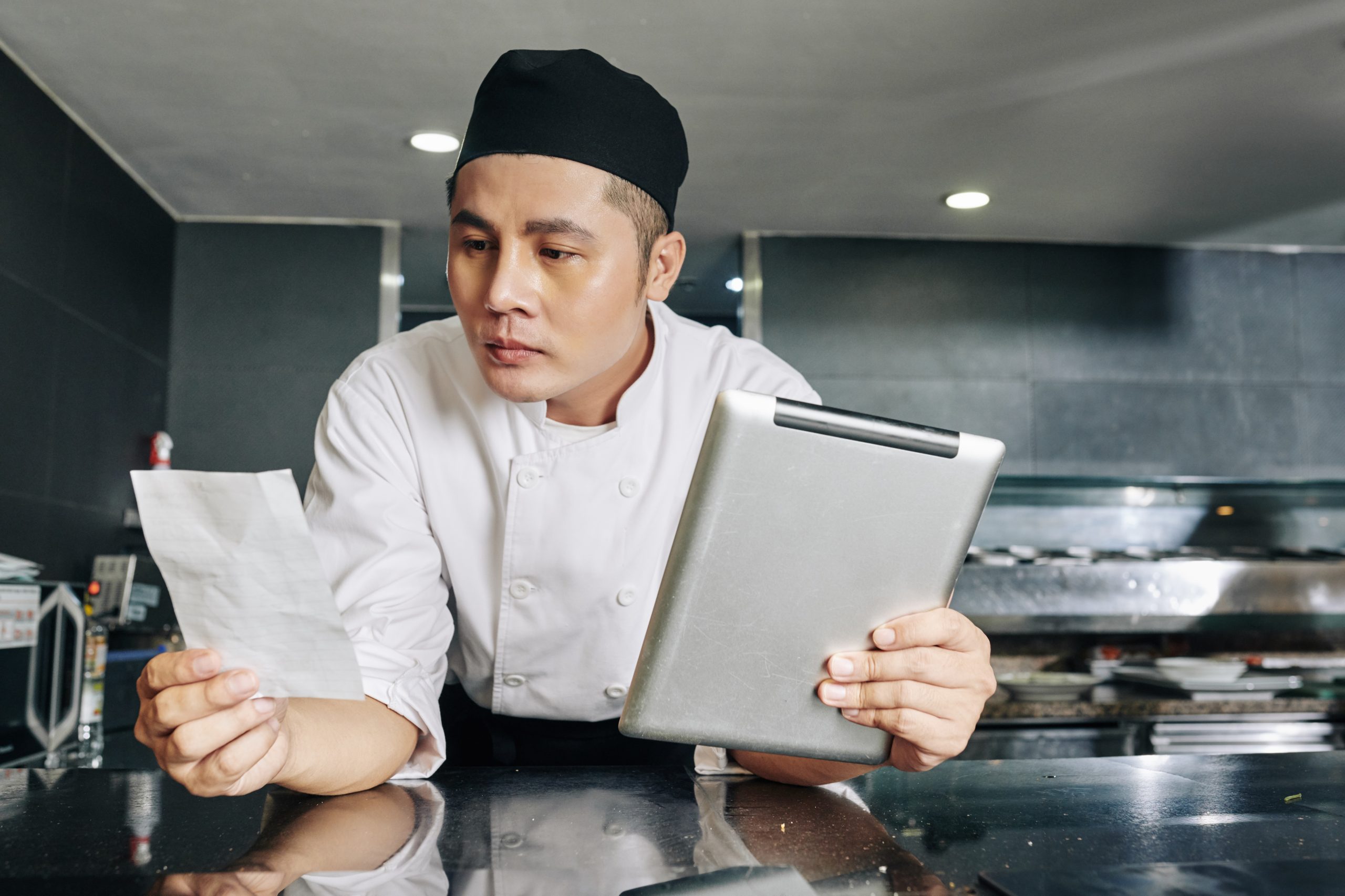
For busy households, hiring a Muslim chef or halal meal prep service can help maintain a halal kitchen without stress. Professional support ensures meals are prepared according to Islamic guidelines while saving time and effort.
This option is especially helpful during Ramadan, special events, or periods of increased workload.
Regularly Review Kitchen Practices
Periodically review your kitchen practices to ensure halal compliance. Check ingredient labels, replace worn utensils, and reassess storage systems. Staying proactive helps maintain long-term consistency and peace of mind.
Conclusion
Maintaining a halal kitchen at home requires awareness, organization, and commitment. By choosing halal-certified ingredients, preventing cross-contamination, practicing cleanliness, and educating family members, households can create a kitchen that supports halal living with confidence. A well-maintained halal kitchen not only ensures religious compliance but also promotes healthier, more mindful eating for the entire family.