



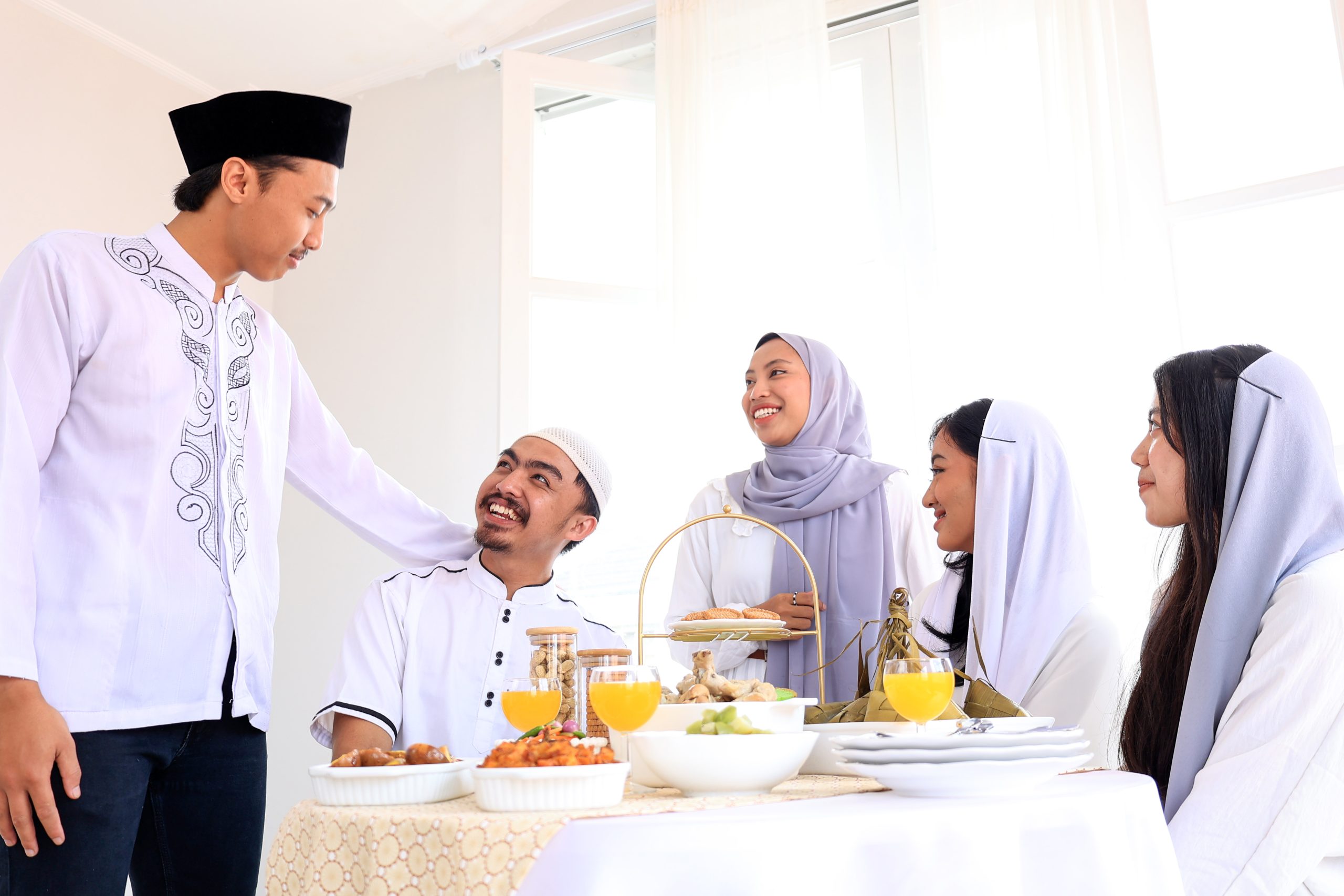

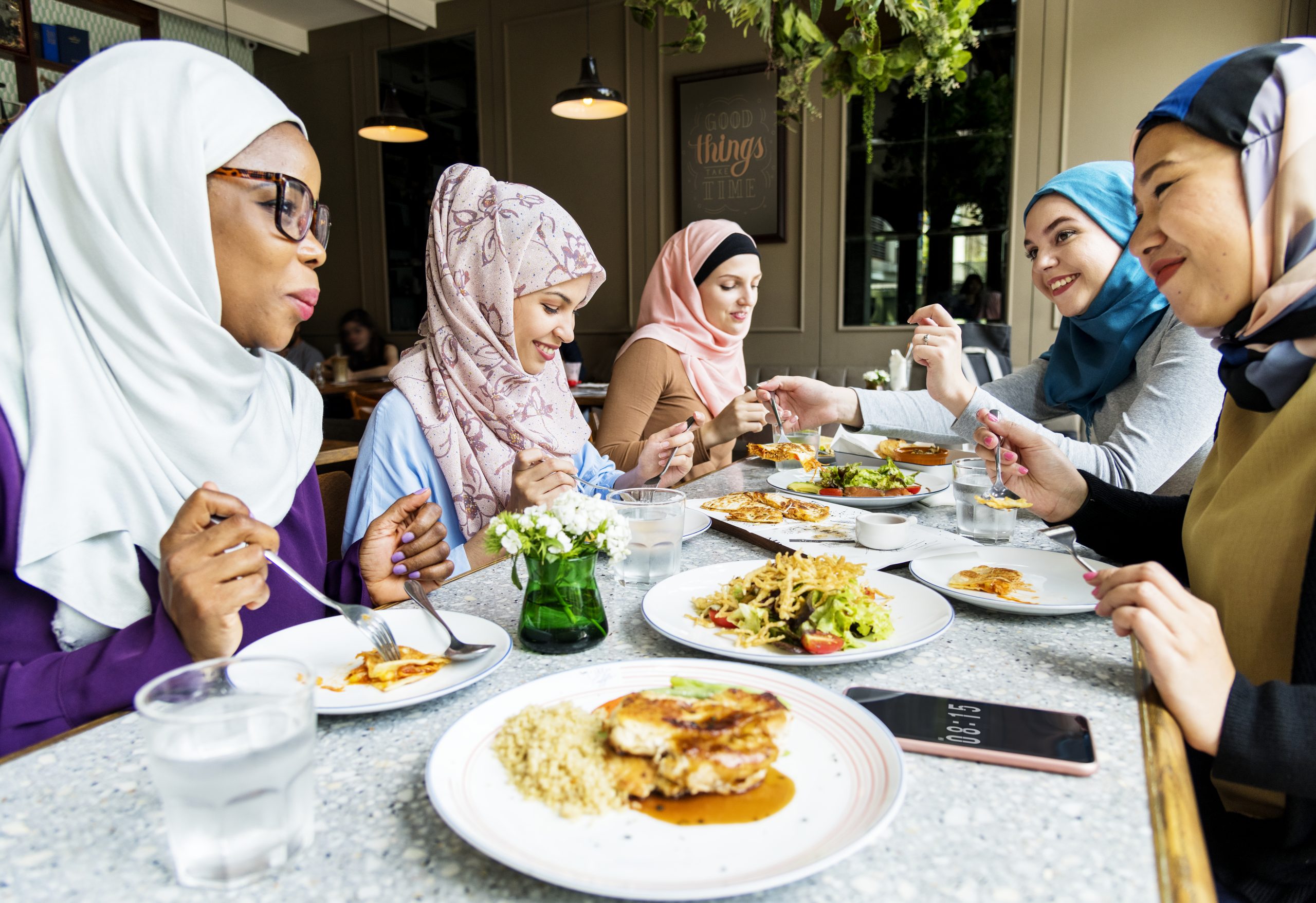
Halal cuisine has evolved far beyond traditional recipes, embracing creativity, innovation, and global flavors. Modern halal fusion dishes combine classic halal ingredients with international cooking techniques, resulting in meals that are both delicious and culturally exciting. Whether for private events, family gatherings, or fine dining, fusion halal dishes are becoming increasingly popular, offering variety, flavor, and visual appeal.
Here’s a comprehensive guide to understanding modern halal fusion dishes and why they are ideal for contemporary Muslim hosts and chefs.
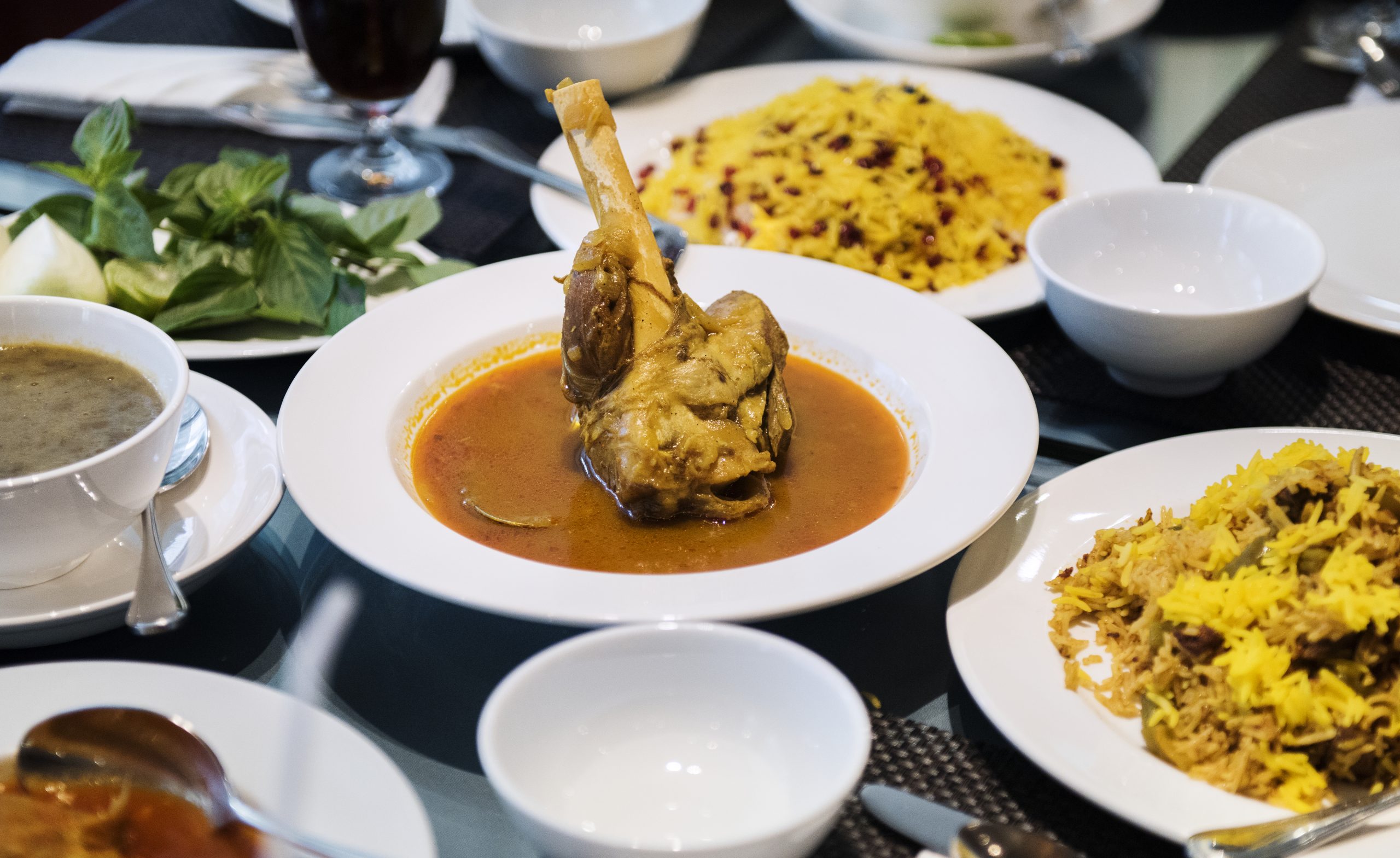
Zabiha restaurants across the United States have transformed halal dining into a flavorful experience — from juicy kebabs and rice platters to fusion burgers and smoky grilled meats. While eating out is enjoyable, recreating these popular Zabiha dishes at home offers better nutrition, cost savings, and full control over ingredients. For authentic Zabiha meals prepared by experienced Muslim chefs, you can explore Hilal Caters, which makes it easy to enjoy restaurant-quality halal cuisine at home. With the right techniques and seasoning, you can enjoy restaurant-style halal meals right in your own kitchen.
What Are Halal Fusion Dishes?
Halal fusion dishes are meals that combine traditional halal ingredients—like zabiha meat, seafood, and vegetables—with flavors, techniques, or presentations from other global cuisines. Examples include:
-
Halal Chicken Tikka Tacos: Classic South Asian spices paired with Mexican-style tortillas
-
Lamb Kofta with Mediterranean Salsa: Middle Eastern flavors blended with fresh Mediterranean garnishes
-
Halal Sushi Rolls: Sushi made with halal-certified seafood and creative flavor combinations
-
Fusion Desserts: Traditional sweets like baklava or gulab jamun reimagined with chocolate, fruits, or modern plating
These dishes maintain halal compliance while offering guests a unique and memorable culinary experience.
Why Halal Fusion Is Popular
Modern halal fusion cuisine is gaining popularity for several reasons:
-
Culinary Innovation: Chefs experiment with new flavors and techniques, keeping meals exciting
-
Global Appeal: Fusion dishes combine international influences with halal dietary laws
-
Aesthetic Presentation: Modern plating and creative garnishes enhance visual appeal
-
Adaptability: Fusion allows menus to suit diverse palates, from traditional to contemporary
Professional Muslim chefs are skilled at balancing flavors, textures, and halal compliance to create fusion dishes that impress guests.
Starter and Appetizer Ideas
Fusion starters are a great way to introduce guests to innovative flavors. Examples include:
-
Mini Samosa Sliders: Bite-sized samosas served with fusion sauces
-
Falafel with Avocado Dip: Traditional chickpea patties paired with creamy, modern dips
-
Halal Chicken Satay: Skewered, marinated chicken with Southeast Asian-inspired sauces
-
Spiced Lentil Croquettes: A blend of Middle Eastern and European culinary techniques
These starters combine authentic ingredients with global creativity, delighting guests from the first bite.
Main Course Ideas
The main course of a halal fusion meal blends classic halal ingredients with international flair:
-
Biryani Risotto: South Asian biryani spices cooked in an Italian risotto style
-
Kofta Meatballs with Mediterranean Couscous: Middle Eastern flavors reimagined with Mediterranean grains and sauces
-
Halal Sushi Burritos: Seafood or vegetables prepared according to halal standards in a handheld, modern format
-
Fusion Tacos or Wraps: Halal proteins with global sauces and garnishes
These dishes offer creativity, cultural diversity, and halal compliance, perfect for modern events.
Side Dishes and Accompaniments
Fusion side dishes complement the main course and balance flavors and textures:
-
Quinoa Pilaf with Spices: A healthy twist on traditional rice dishes
-
Roasted Vegetables with Middle Eastern Spices: Global cooking methods with halal ingredients
-
Yogurt-Based Fusion Sauces: Combining traditional raita with international herbs or spices
-
Bread Innovations: Naan stuffed with cheese, herbs, or global flavors
These sides enhance both taste and presentation, making fusion meals memorable.
Desserts and Beverages
Desserts in halal fusion cuisine are creative and visually appealing:
-
Chocolate Baklava Cups: Traditional nuts and pastry with a chocolate twist
-
Gulab Jamun Cheesecake: A blend of South Asian and Western dessert styles
-
Fruit-Infused Halal Mocktails: Alcohol-free beverages with exotic fruit combinations
-
Fusion Teas and Coffees: Traditional spiced drinks with modern flavors
These desserts and beverages complete the fusion experience, leaving guests impressed.
Benefits of Hiring a Muslim Chef for Halal Fusion
Professional Muslim chefs provide:
-
Expertise in halal compliance: All ingredients and cooking practices meet Islamic dietary laws
-
Creativity and innovation: Fusion dishes crafted with flavor balance and presentation in mind
-
Stress-free hosting: Chefs manage preparation, cooking, and plating
-
Customizable menus: Dishes tailored to event type, guests, and dietary needs
This ensures that modern halal fusion meals are delicious, visually appealing, and ethically prepared.
Final Thoughts
Modern halal fusion cuisine offers a perfect blend of tradition and innovation, making it ideal for contemporary events, family gatherings, and private dinners. Professional Muslim chefs bring authenticity, creativity, and halal expertise to every dish, ensuring meals are flavorful, visually stunning, and culturally respectful.
From starters and main courses to desserts and beverages, halal fusion dishes transform ordinary meals into memorable culinary experiences, delighting guests while maintaining faith-aligned practices.