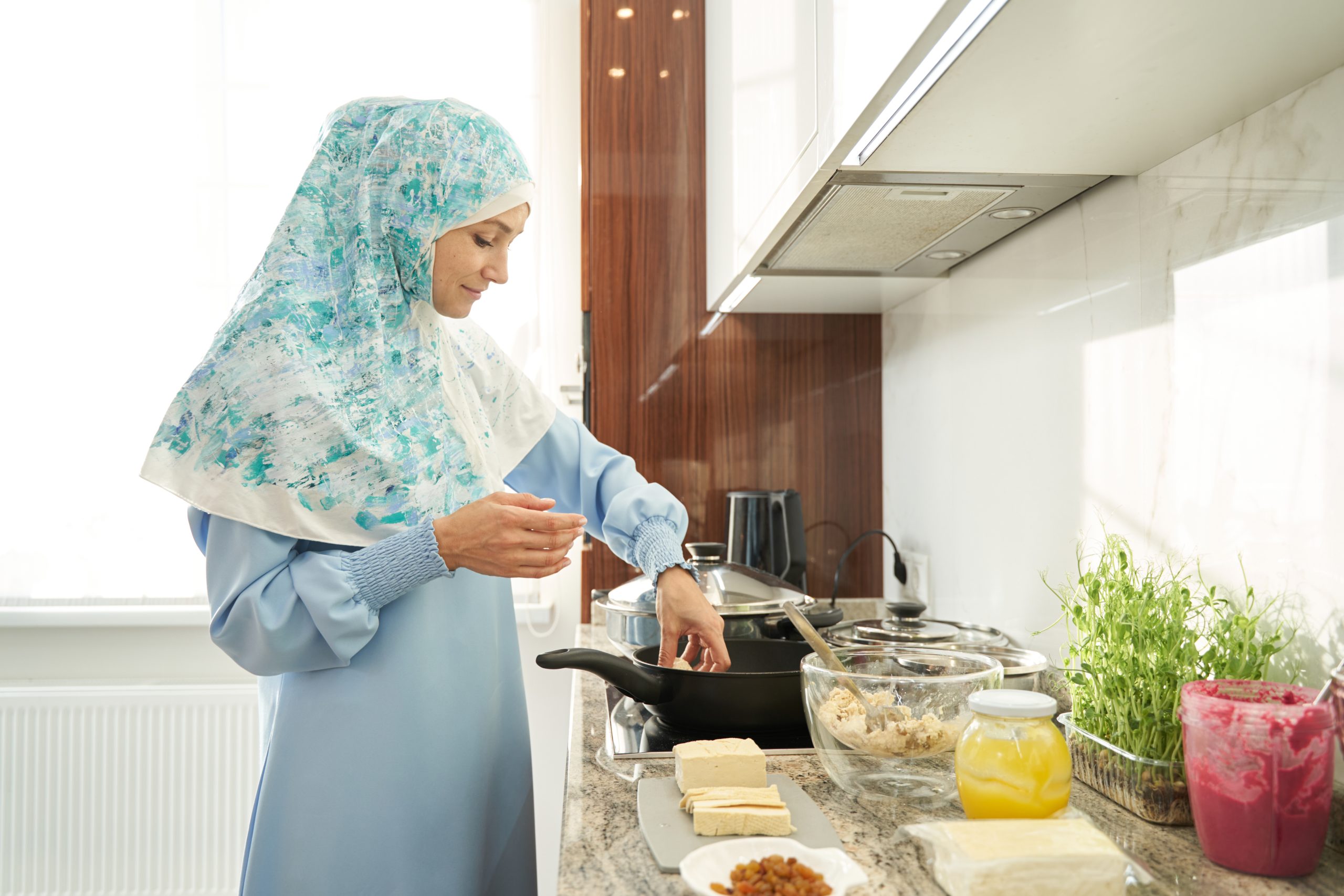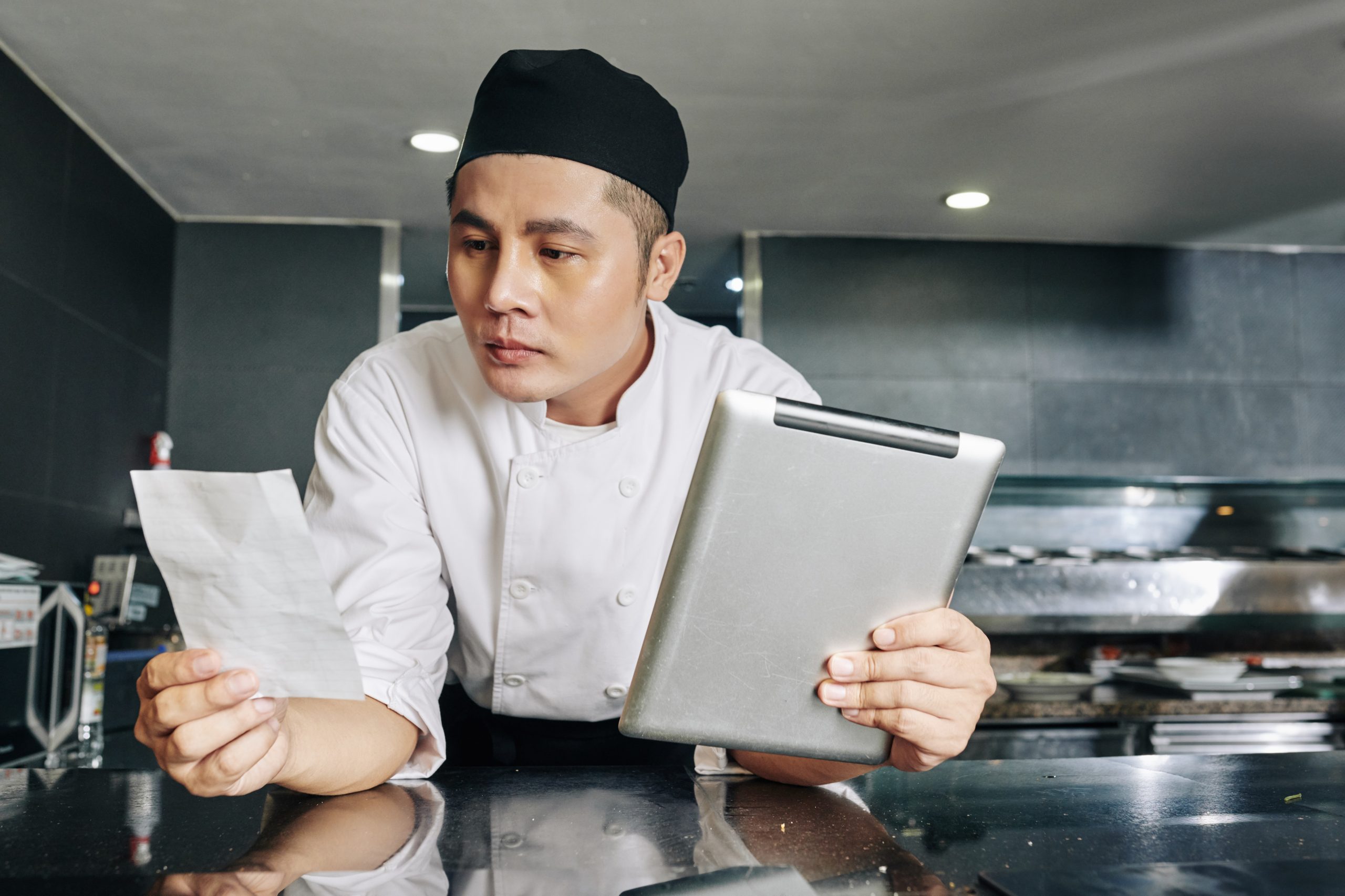




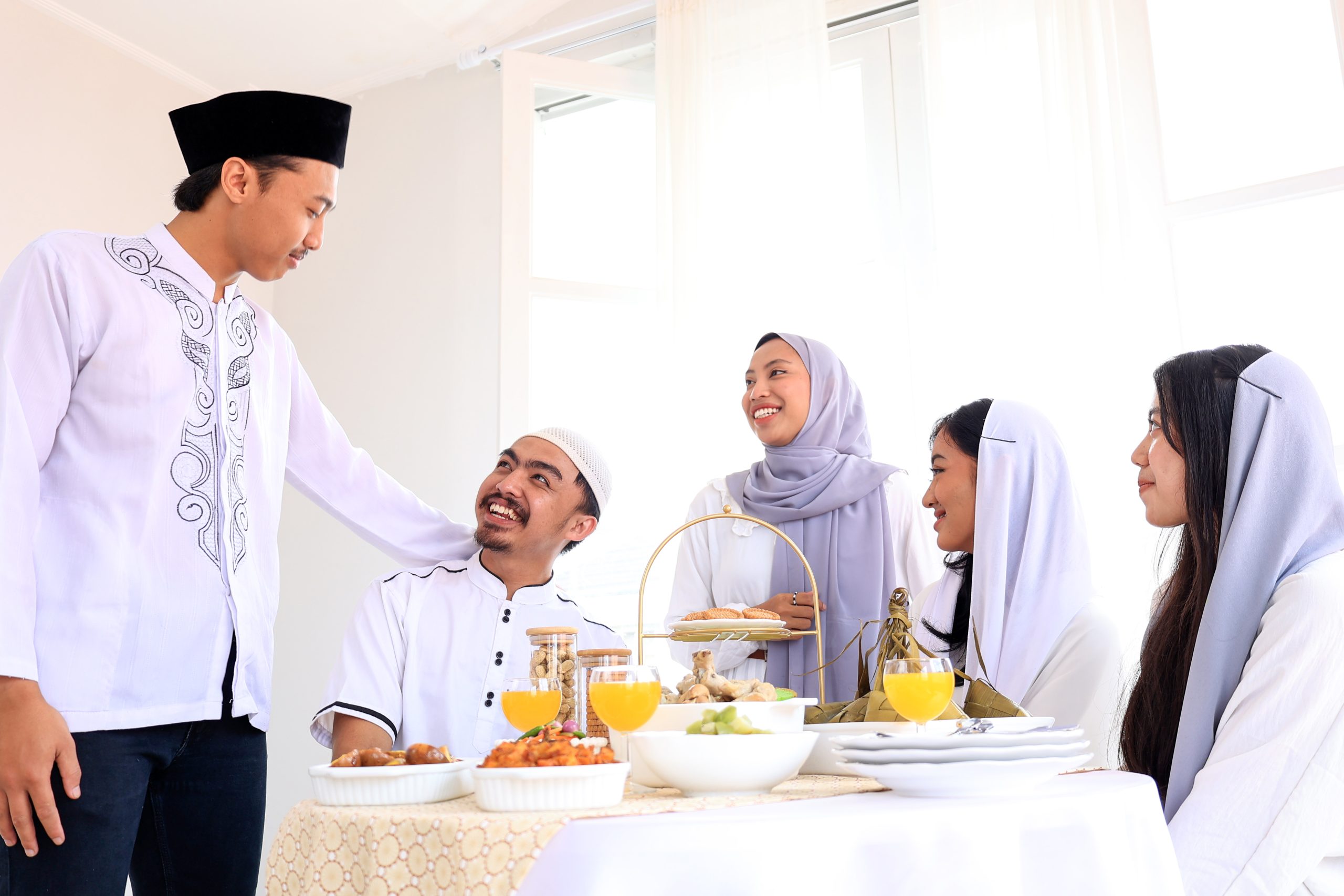
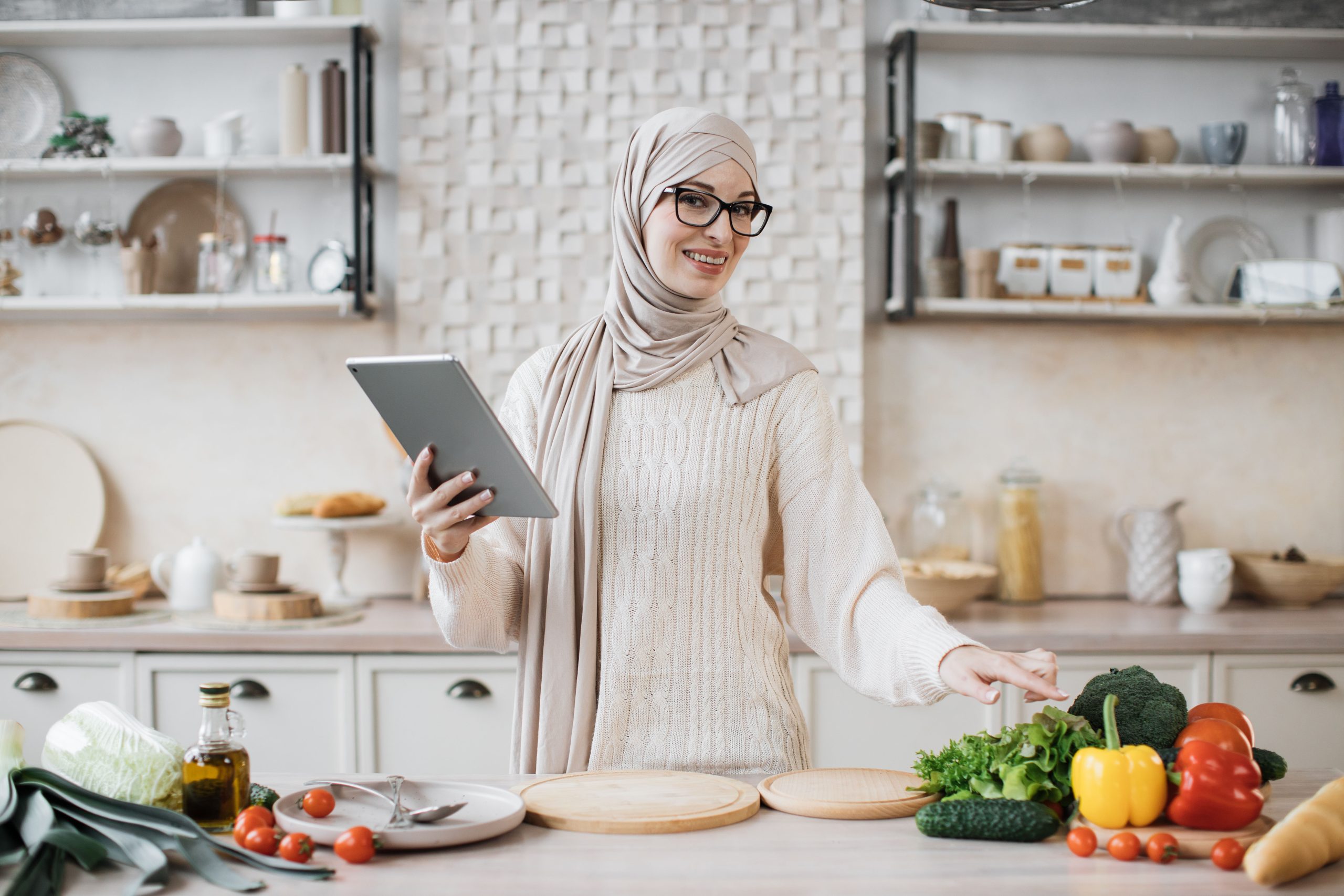

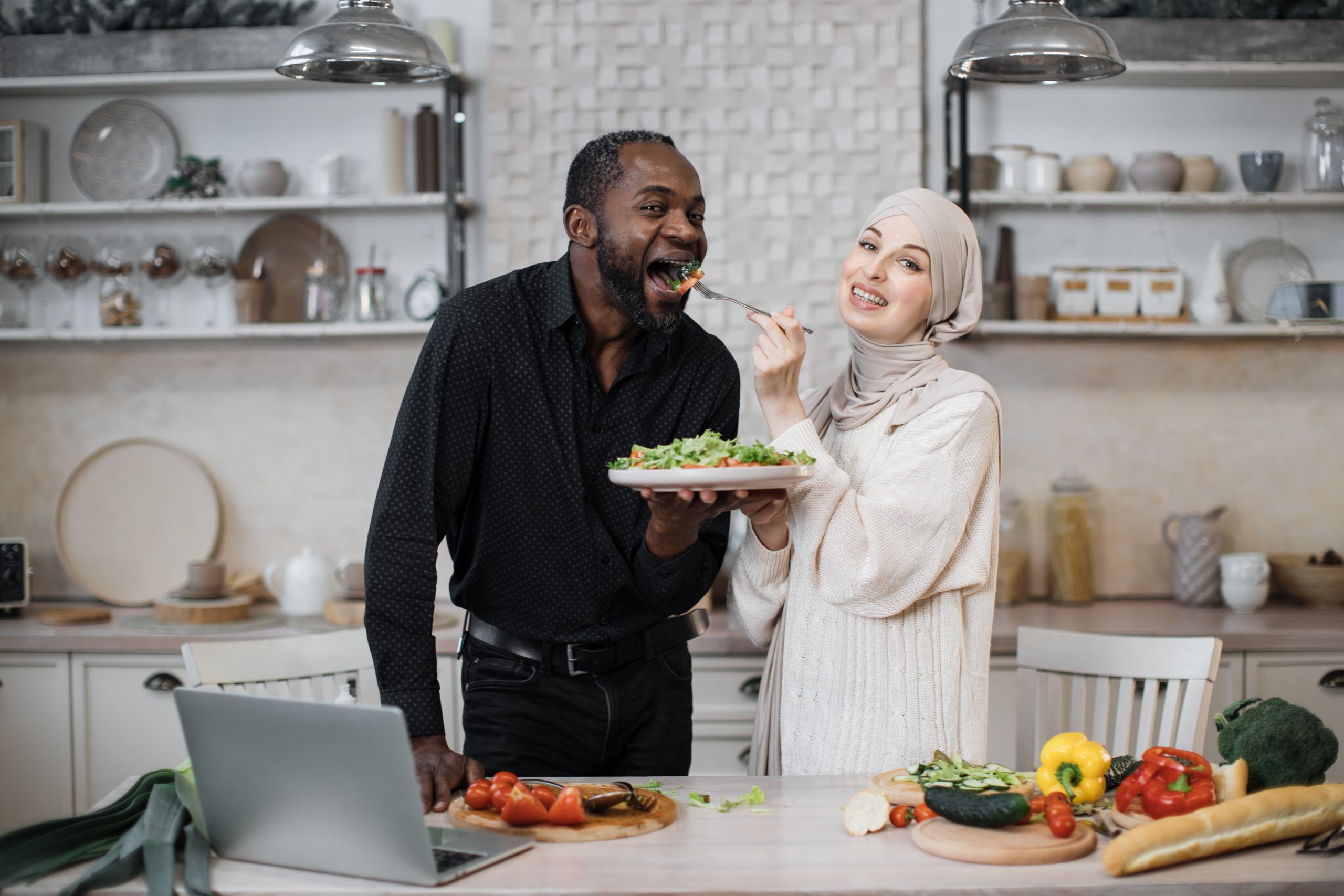
When it comes to food preparation, the choice between a Muslim chef and a regular chef can significantly impact not only taste and presentation but also religious compliance, trust, and peace of mind. For individuals and families who prioritize halal food and Islamic values, understanding the key differences between a Muslim chef and a regular chef is essential. Below is a detailed comparison highlighting why many people prefer Muslim chefs for halal cooking and events.
Zabiha restaurants across the United States have transformed halal dining into a flavorful experience — from juicy kebabs and rice platters to fusion burgers and smoky grilled meats. While eating out is enjoyable, recreating these popular Zabiha dishes at home offers better nutrition, cost savings, and full control over ingredients. For authentic Zabiha meals prepared by experienced Muslim chefs, you can explore Hilal Caters, which makes it easy to enjoy restaurant-quality halal cuisine at home. With the right techniques and seasoning, you can enjoy restaurant-style halal meals right in your own kitchen.
Understanding of Halal and Haram
The most fundamental difference between a Muslim chef and a regular chef is knowledge of halal and haram food rules. A Muslim chef has an in-depth understanding of Islamic dietary laws, including which foods are permissible and which are forbidden. This knowledge is rooted in religious practice and daily life, not just professional training.
A regular chef may be skilled in cooking but often relies on general halal labels or third-party information, which can sometimes be incomplete or misunderstood.
Zabiha Halal Meat Awareness
Muslim chefs understand the religious importance of zabiha halal meat and the correct Islamic slaughter process. They ensure meat is sourced from trusted halal or zabiha-certified suppliers and respect client preferences regarding strict zabiha requirements.
In contrast, regular chefs may not distinguish between halal-certified meat and zabiha halal meat or may lack awareness of why this distinction matters to many Muslim families.
Prevention of Cross-Contamination
Halal cooking requires strict separation from non-halal ingredients. Muslim chefs are trained to prevent cross-contamination by using separate utensils, cookware, and preparation areas. They follow hygiene practices aligned with halal principles at every stage.
Regular chefs working in mixed kitchens may unintentionally cross-contaminate food due to shared equipment or storage, which can compromise halal integrity.
Religious Responsibility and Intention
For a Muslim chef, cooking halal food is not just a job but a responsibility tied to faith. Intention plays an important role in halal cooking, and Muslim chefs approach food preparation with mindfulness, cleanliness, and ethical behavior.
Regular chefs may focus primarily on taste, presentation, and efficiency, without considering the religious significance attached to the food being prepared.
Cultural and Community Awareness
Muslim chefs are familiar with cultural food traditions common in Muslim households and communities. They understand spice levels, serving styles, and meal preferences for events such as Ramadan iftars, Eid celebrations, and family dawats.
Regular chefs may lack this cultural insight, requiring additional guidance to meet expectations for religious or community-based events.
Customization Based on Islamic Lifestyle
Muslim chefs are better equipped to customize meals according to Islamic lifestyle needs, including fasting schedules, suhoor and iftar meals, and religious gatherings. They understand meal timing, portion sizes, and menu planning around Islamic practices.
Regular chefs may need detailed instructions and still may not fully align with these specific requirements.
Trust and Peace of Mind
Trust is a major deciding factor when choosing a chef. Muslim chefs are trusted because clients do not need to repeatedly verify ingredients, preparation methods, or sourcing. Their religious commitment creates confidence and long-term reliability.
With a regular chef, clients often need to supervise or double-check halal compliance, which can be stressful and time-consuming.
Professional Skill and Quality
It is important to note that both Muslim chefs and regular chefs can be professionally trained and highly skilled. The key difference lies not in ability but in approach and responsibility. Muslim chefs combine professional cooking expertise with strict halal compliance, while regular chefs may prioritize culinary technique without religious considerations.
Ideal Choice for Halal Events
For halal weddings, corporate events, or family gatherings, Muslim chefs are often the preferred choice. They manage halal menus confidently, communicate clearly with clients, and ensure smooth execution without compromising religious standards.
Regular chefs may require additional oversight or external halal certification to meet the same expectations.
Conclusion
The key differences between a Muslim chef and a regular chef lie in halal knowledge, zabiha awareness, religious responsibility, cultural understanding, and trust. While both may offer excellent cooking skills, Muslim chefs provide added value through their commitment to Islamic principles and halal integrity. For families and hosts who prioritize halal living and peace of mind, a Muslim chef is often the more reliable and respectful choice.