



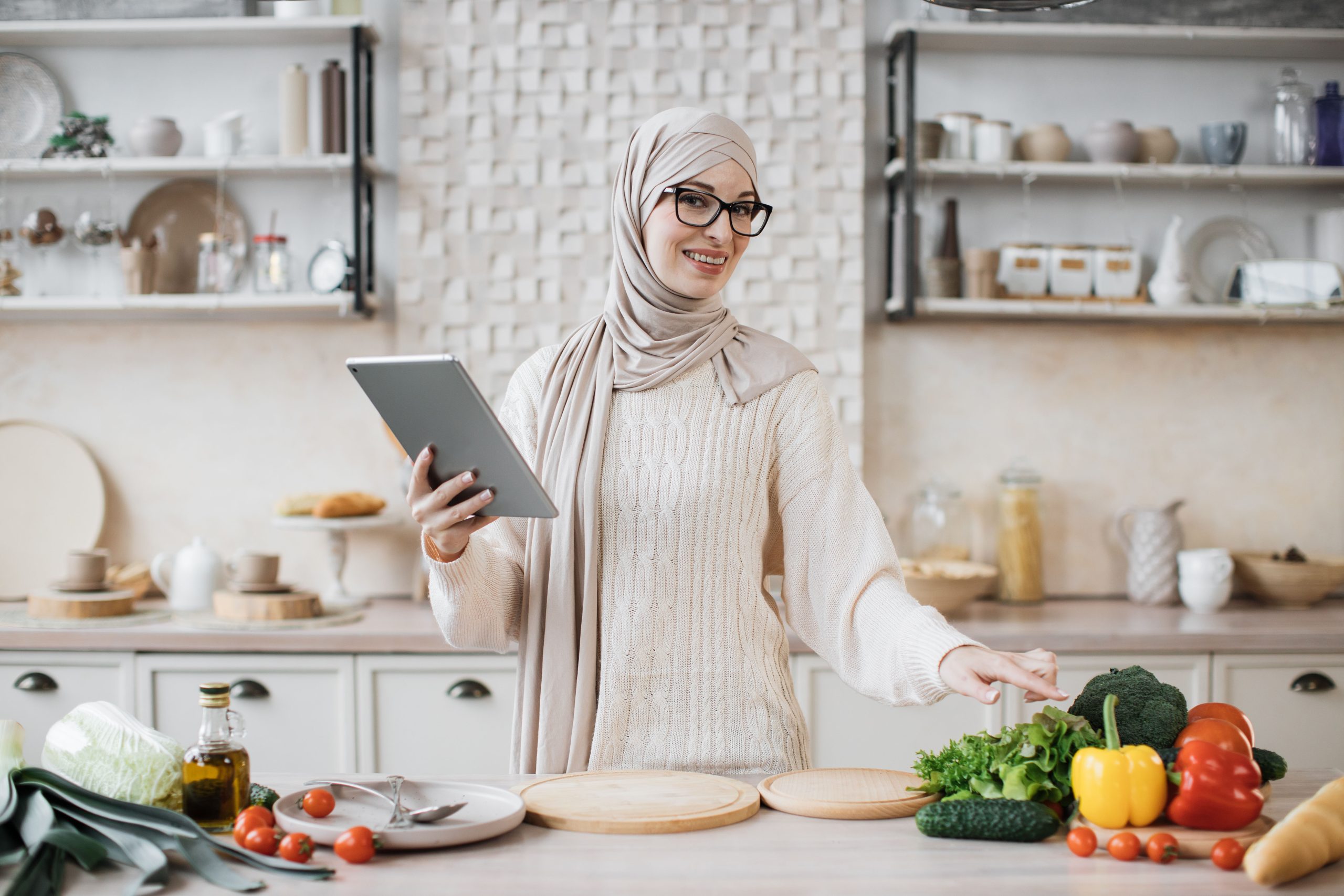

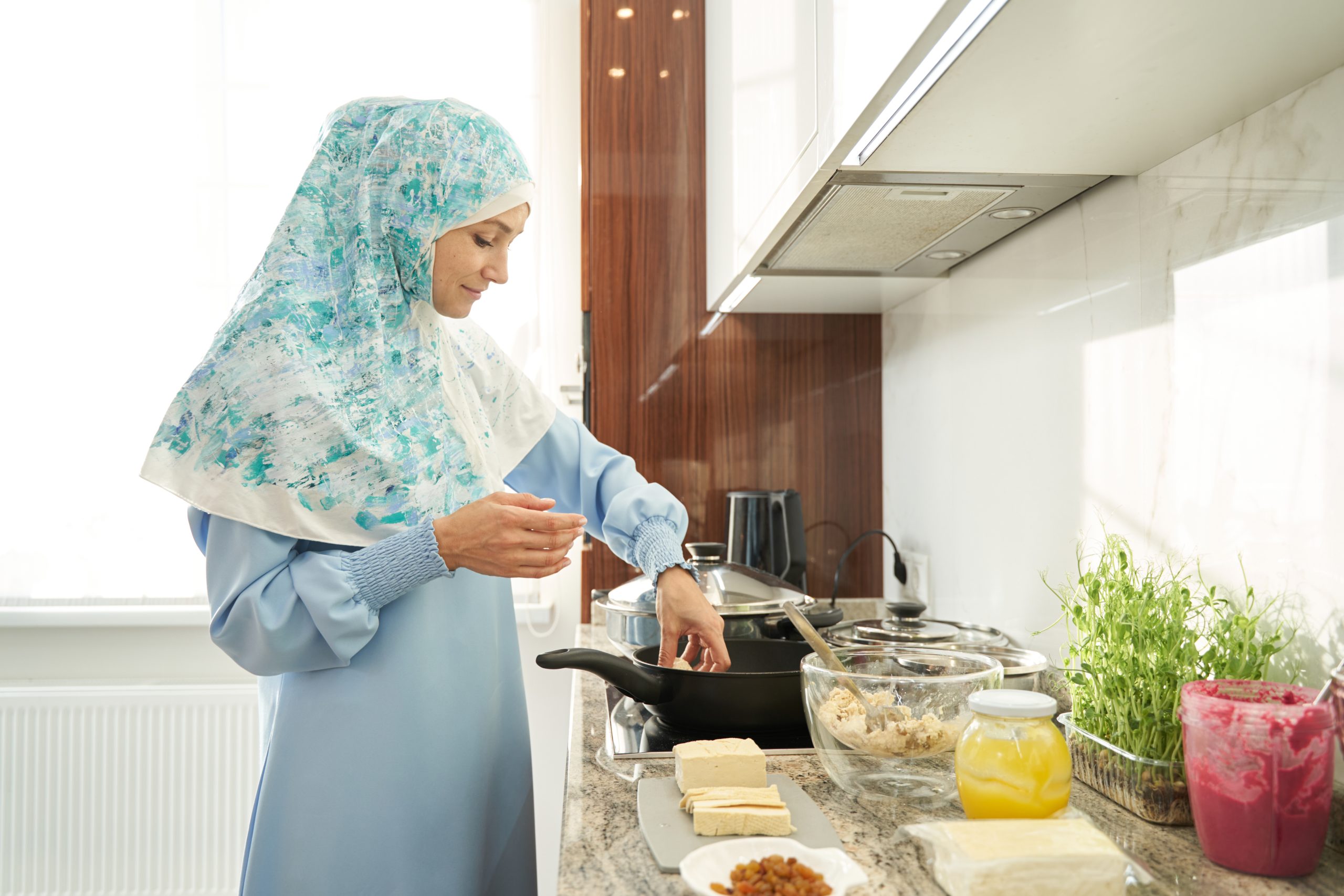
Hiring a Muslim chef is an important decision, especially when halal compliance, food quality, and reliability matter. Asking the right questions before finalizing a Muslim chef helps ensure that the service aligns with your dietary requirements, expectations, and budget. Clear communication at this stage prevents misunderstandings and creates a smooth, stress-free experience. Below are essential questions to ask before making your final decision.
Zabiha restaurants across the United States have transformed halal dining into a flavorful experience — from juicy kebabs and rice platters to fusion burgers and smoky grilled meats. While eating out is enjoyable, recreating these popular Zabiha dishes at home offers better nutrition, cost savings, and full control over ingredients. For authentic Zabiha meals prepared by experienced Muslim chefs, you can explore Hilal Caters, which makes it easy to enjoy restaurant-quality halal cuisine at home. With the right techniques and seasoning, you can enjoy restaurant-style halal meals right in your own kitchen.
What Is Your Understanding of Halal and Zabiha Requirements?
Start by asking the chef to explain their understanding of halal food and zabiha practices. A knowledgeable Muslim chef should clearly explain which foods are halal, which are haram, and how meat is sourced and prepared.
Their response should be confident and detailed, showing both religious awareness and practical application.
Where Do You Source Your Meat and Ingredients?
Ask where the chef sources meat, poultry, and other key ingredients. Confirm whether the meat is halal-certified or zabiha halal and from which suppliers.
Transparency in sourcing is a strong indicator of trust and professionalism.
How Do You Prevent Cross-Contamination?
Cross-contamination can compromise halal integrity. Ask the chef how they ensure separation between halal and non-halal ingredients, utensils, and cooking surfaces.
A professional chef should have clear procedures for maintaining a halal kitchen environment, especially when working in shared kitchens or event venues.
Can You Customize Menus Based on Our Preferences?
Discuss menu flexibility and customization. Ask whether the chef can adjust spice levels, portion sizes, cooking styles, and dietary needs such as low-oil, keto, vegan, or allergy-specific meals.
Customization ensures that the food suits your family or event perfectly.
What Type of Services Do You Offer?
Clarify the scope of services offered. Ask whether the chef provides home cooking, weekly meal prep, private dinners, or event catering.
Understanding service options helps ensure the chef meets your specific needs.
What Is Your Experience with Halal Clients or Events?
Ask about the chef’s previous experience working with Muslim families, halal events, or religious gatherings. Experience with halal-conscious clients usually means smoother communication and better understanding of expectations.
References or testimonials can provide additional reassurance.
What Are Your Hygiene and Cleanliness Practices?
Cleanliness is an essential part of halal food preparation. Ask about cleaning routines, food safety practices, and handling of raw and cooked ingredients.
A professional Muslim chef should prioritize hygiene and maintain a clean cooking environment at all times.
What Are the Pricing and Payment Terms?
Discuss pricing clearly and in detail. Ask about hourly rates, package pricing, and what is included in the cost. Confirm whether groceries are included or charged separately.
Clear pricing prevents confusion and ensures the service fits your budget.
What Equipment Do You Use?
Ask whether the chef brings their own utensils and equipment or uses your kitchen setup. Clarify any special requirements in advance to avoid disruptions during service.
How Do You Handle Scheduling and Changes?
Ask about availability, scheduling flexibility, and how changes or cancellations are handled. Understanding these details helps ensure smooth planning, especially for events or ongoing services.
How Will We Communicate During the Service?
Clear communication is key to a successful experience. Ask how feedback, changes, or concerns will be addressed during the service.
Conclusion
Asking the right questions before finalizing a Muslim chef helps ensure halal compliance, quality service, and peace of mind. By discussing halal practices, sourcing, customization, pricing, and experience, families and hosts can confidently select a chef who aligns with their values and needs. A thoughtful selection process leads to reliable service and stress-free halal dining.