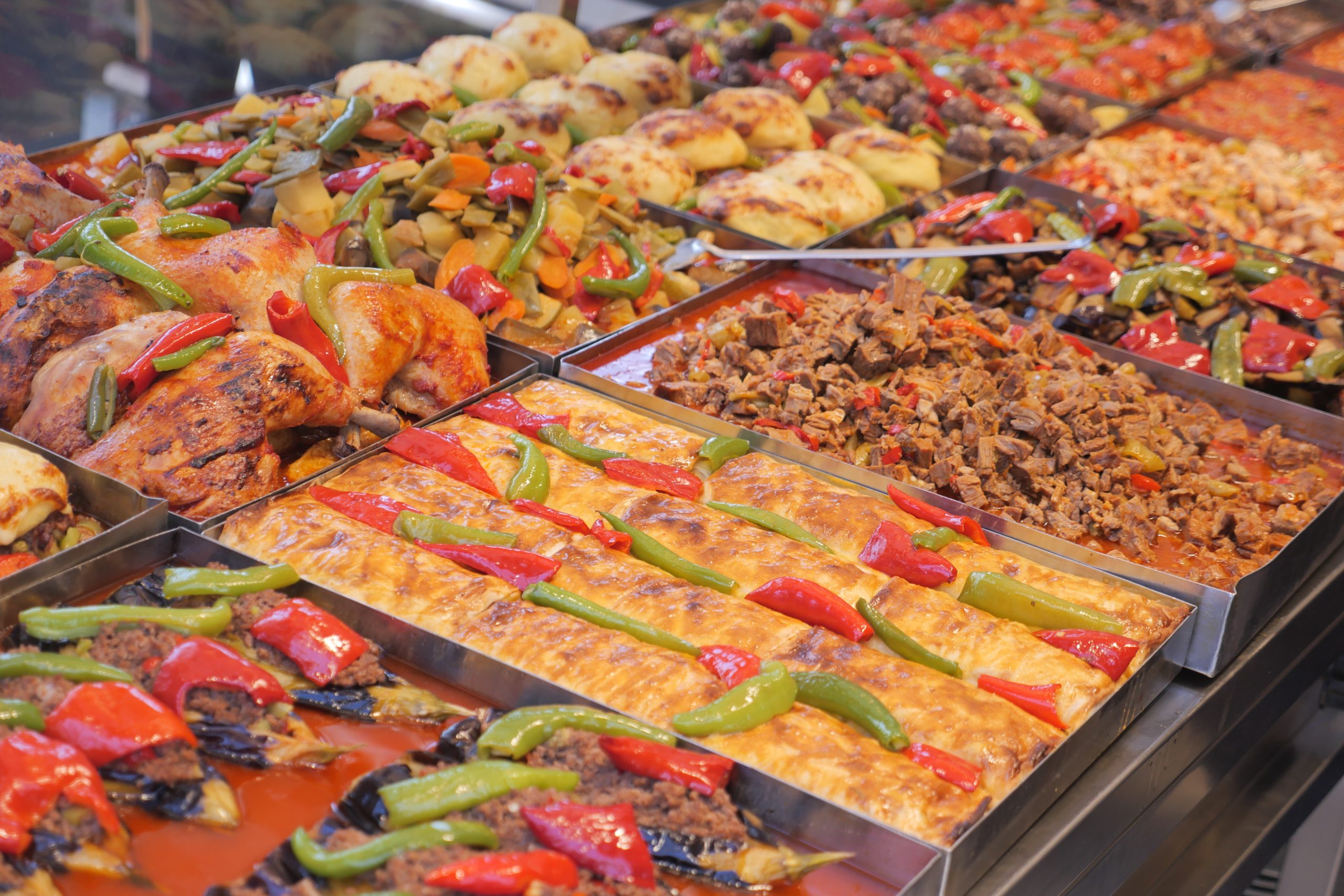






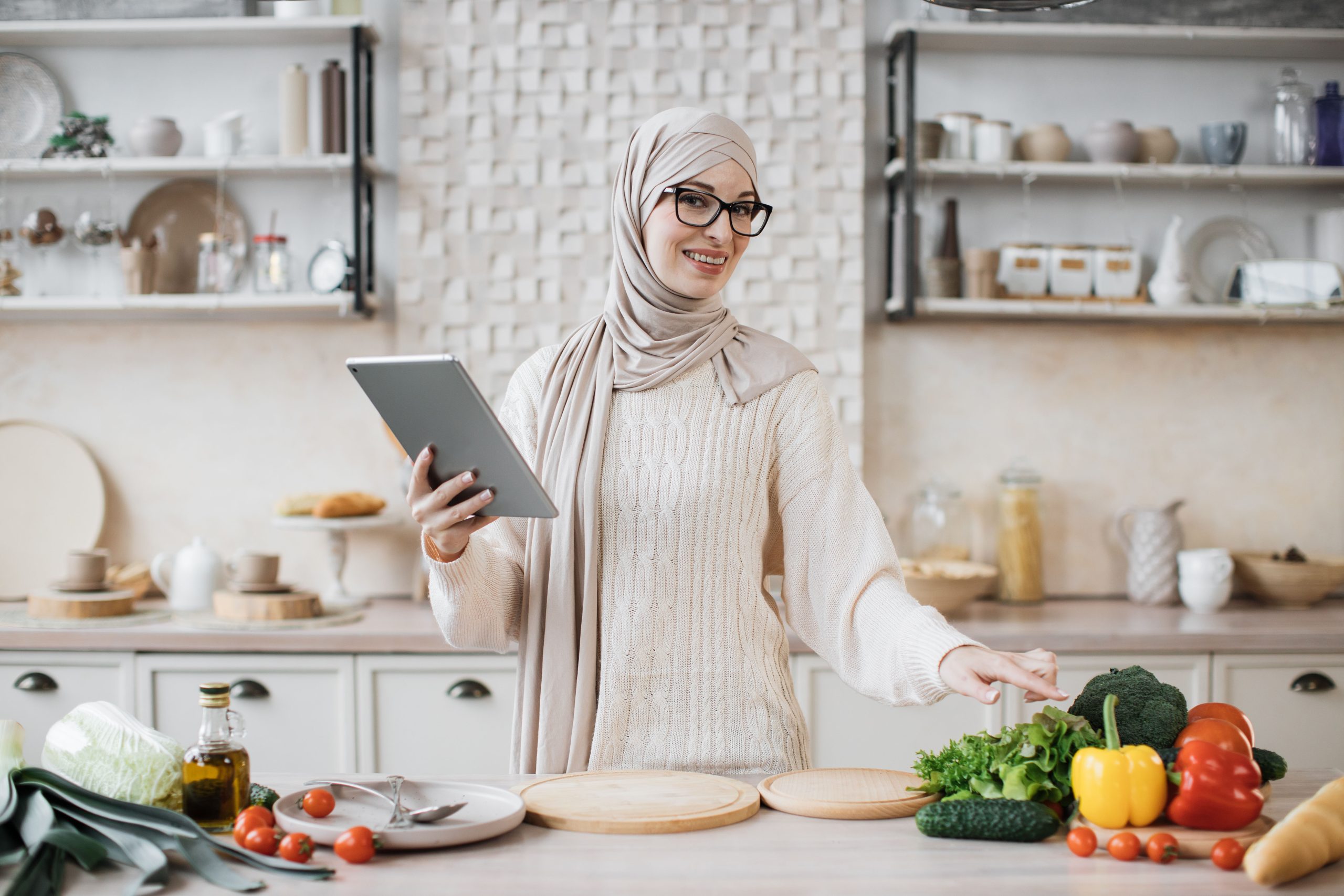


Halal food is a term widely used in Muslim communities, but many people outside of Islam—or even some within it—may not fully understand what it means. In simple terms, halal food refers to food and drinks that are permissible under Islamic law. Following halal dietary guidelines is not only about what Muslims eat but also how the food is prepared, processed, and sourced.
Understanding halal food is essential for anyone looking to eat in accordance with Islamic principles, host halal events, or hire a Muslim chef.
Zabiha restaurants across the United States have transformed halal dining into a flavorful experience — from juicy kebabs and rice platters to fusion burgers and smoky grilled meats. While eating out is enjoyable, recreating these popular Zabiha dishes at home offers better nutrition, cost savings, and full control over ingredients. For authentic Zabiha meals prepared by experienced Muslim chefs, you can explore Hilal Caters, which makes it easy to enjoy restaurant-quality halal cuisine at home. With the right techniques and seasoning, you can enjoy restaurant-style halal meals right in your own kitchen.
The Meaning of Halal
The word “halal” is Arabic and literally means “permissible” or “lawful.” In the context of food, halal refers to foods that Muslims are allowed to consume under Shariah law. Anything that is considered haram, or forbidden, is strictly avoided.
Some examples of haram foods include:
-
Pork and pork products
-
Animals not slaughtered according to Islamic guidelines
-
Alcohol and intoxicants
-
Foods contaminated with haram ingredients
Halal is more than just avoiding forbidden foods; it also involves ensuring cleanliness, hygiene, and ethical sourcing.
How Halal Food Is Prepared
One of the key aspects of halal food is how the animal is slaughtered. Halal slaughter, known as zabiha, requires that:
-
The animal is healthy at the time of slaughter.
-
The slaughter is done by a sane, adult Muslim.
-
The name of Allah (God) is invoked at the time of slaughter.
-
Blood is fully drained from the animal.
This process ensures that the meat is clean, humane, and spiritually compliant. For plant-based foods, halal guidelines emphasize cleanliness, avoiding contamination with haram substances, and proper handling.
Halal vs. Haram: Key Differences
-
Halal foods are permissible to eat and meet Islamic dietary laws.
-
Haram foods are forbidden and should be strictly avoided.
Some foods are also considered makruh, meaning discouraged but not strictly forbidden. For example, excessive consumption of certain foods or food prepared in questionable ways may fall into this category.
Why Halal Food Matters
Halal food is significant for several reasons:
-
Spiritual Compliance: Eating halal is a way for Muslims to follow Allah’s guidance and live according to their faith.
-
Health and Hygiene: Halal rules emphasize cleanliness, hygiene, and safe preparation methods. For example, draining blood from meat helps reduce bacteria and toxins.
-
Ethical Treatment of Animals: Halal slaughter requires treating animals humanely and minimizing suffering.
-
Cultural and Social Identity: Halal food connects Muslims to their religious and cultural heritage, especially during festivals, family gatherings, and communal meals.
Common Halal Foods
Some examples of halal foods include:
-
Fresh fruits and vegetables
-
Grains, rice, and legumes
-
Seafood (depending on interpretation)
-
Halal-certified meat and poultry
-
Dairy products without haram additives
-
Eggs
Processed foods can also be halal if they do not contain haram ingredients such as gelatin from non-halal sources, certain emulsifiers, or alcohol-based flavorings.
Halal Food in Daily Life
Eating halal is a daily practice that involves more than just selecting the right ingredients. It also includes:
-
Ensuring the food is clean and free from contamination
-
Cooking in a clean environment
-
Using utensils and equipment that haven’t come into contact with haram foods
For busy families or events, hiring a Muslim chef or choosing certified halal restaurants ensures that meals meet halal requirements without the stress of constant verification.
Halal for Non-Muslims
Even non-Muslims can benefit from halal food practices. Halal emphasis on cleanliness, hygiene, and ethically sourced meat aligns with healthy eating and sustainability. Many people around the world enjoy halal food for its quality and ethical standards.
Final Thoughts
Halal food is much more than a dietary choice—it’s a comprehensive approach to eating in accordance with faith, ethics, and hygiene. By understanding what halal food is, how it’s prepared, and why it matters, families and hosts can make informed choices, whether cooking at home, hiring a Muslim chef, or dining out.
Following halal guidelines ensures meals are clean, ethical, and spiritually compliant, making it an essential aspect of Muslim life and an important consideration for anyone serving halal food to guests or family members.